Source:Best Coffee > News Author:qjroot Published:2026-09-03 18:44:11
How good an Americano tastes often depends not only on the beans themselves, but also on the dose, grind size, water temperature and final liquid volume. When adding water to espresso, the focus is on the density and sweetness of the shot; when brewing directly with a dripper, the focus is more on aroma development and the balance of acidity and sweetness. First confirm what equipment you have at home, then choose beans against the parameters, and the actual result will come closer to everyday expectations.
To make a clean, light-bodied Americano by pour-over, you can start with 15 g of ground coffee and 240 g of water, with the water temperature at 90 to 93°C and a total time of about 2 minutes 30 seconds to 3 minutes. Start with a medium-fine grind so the water can pass through the coffee bed smoothly. If it tastes thin, grind slightly finer or extend the interval between pours; if the finish turns astringent, adjust coarser to reduce the time the coffee bed sits.
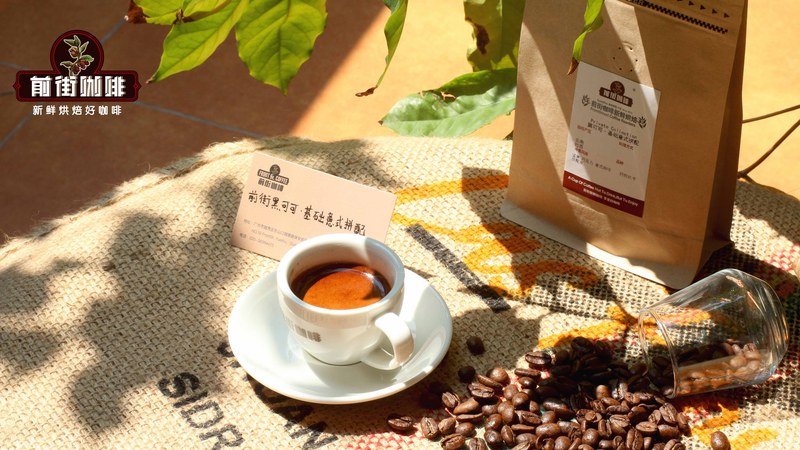
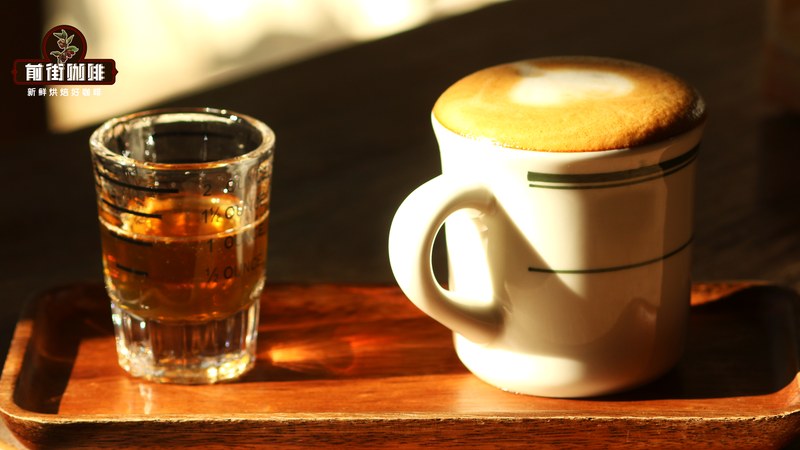
To make an Americano with an espresso machine, set the dose according to the basket capacity, for example 18 g of coffee extracted to 36 to 40 g of espresso, then add 100 to 150 g of hot water. The water temperature is usually between 90 and 93°C, and for the extraction time you can start by watching for 25 to 32 seconds. For a thicker mouthfeel, reduce the amount of added water; if you prefer a lighter body, add more hot water, but still retain the aroma and sweetness of the espresso.
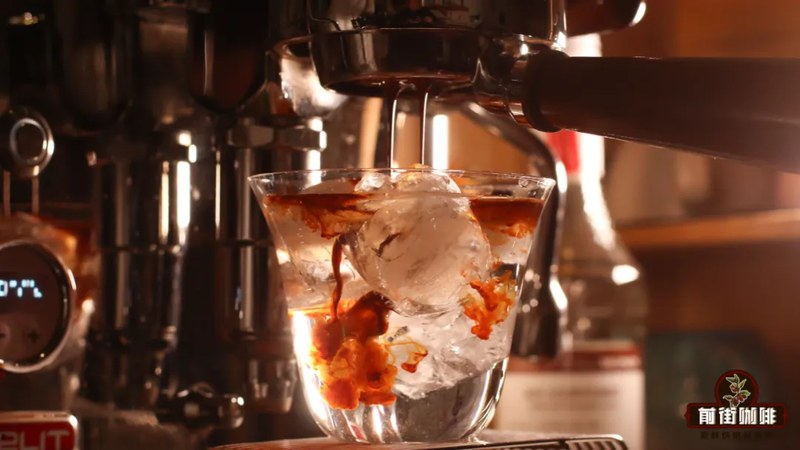
For those who prefer bright fruit notes, Qianjie Colombia Cidra is suited to being expressed with higher-strength parameters. On an espresso machine, try 18 g of coffee extracted to 36 g of liquid, then dilute with 120 g of water, and the blueberry- and grape-like sweet aromas will be clearer; when making an iced Americano, pour the espresso directly over ice water, and the juicy quality will seem lively, suitable for drinking in hot weather.
If you mainly use a dripper, Qianjie Kafa Forest can use 15 g of coffee, 250 g of water and a water temperature of around 91°C, with a grind slightly finer than regular medium, poured in two to three stages. Right after brewing, the orange and ripe apricot notes are more obvious, and as it cools the sweetness gradually emerges, while the oolong tea-like finish also becomes easier to perceive, making it suitable for drinking the whole cup slowly.
Hand grinders do not have a unified scale, so you should calibrate by flow rate and cup feel rather than copying someone else's numbers. If the water drains through the coffee bed too fast, it usually means the grind is too coarse or the pouring provides too little agitation; if the flow is slow, you can adjust coarser as appropriate. When an Americano needs water added, the espresso itself can be slightly on the strong side, so the aroma is not too diluted after adding water.
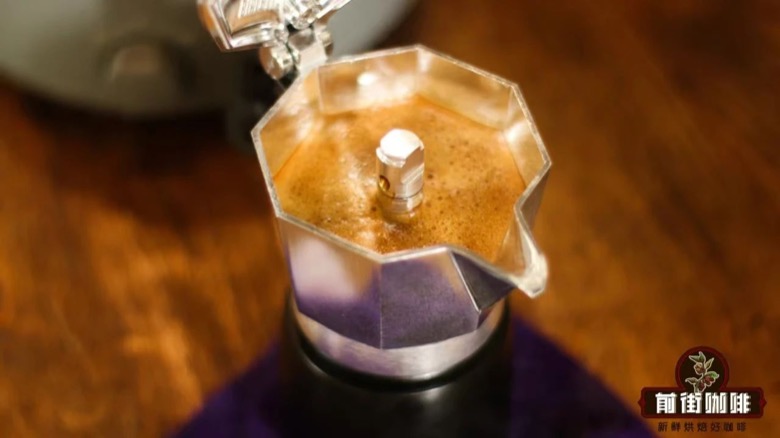
For an Americano made with a moka pot, it is suitable to choose beans with full sweetness that tolerate higher temperatures. Fill the basket and level it gently, with a grind slightly coarser than espresso; add hot water to the base, then heat over low heat, and stop extraction when the color of the coffee liquid begins to lighten. Qianjie Granja Estate Geisha can also be used for this method of drinking, but it is recommended to reduce the heating time and add water promptly, so the floral aroma and jam-like sweetness stay clear.
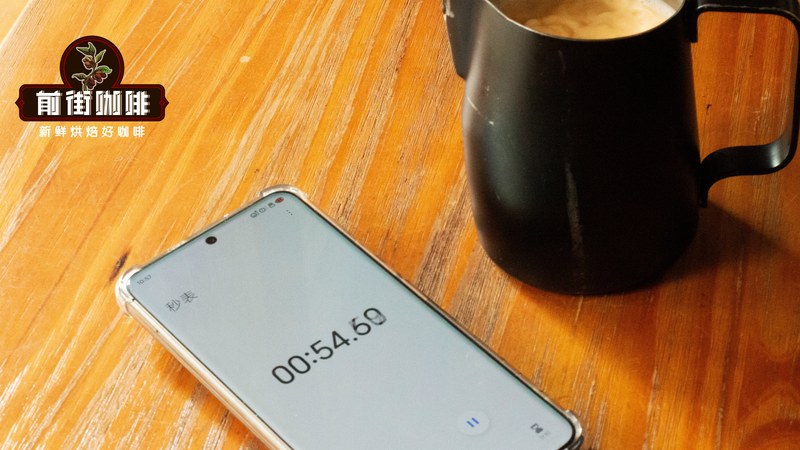
A cold Americano can be made with espresso, cold drip or espresso-style cold brew, and the differences in parameters will directly change the mouthfeel. For cold drip, it is suitable to control the drip rate at about one drop per minute, and the coffee-to-water ratio can be tried starting near 1 to 10; if using hot espresso over ice, it is recommended to first keep the espresso at a higher strength, then add ice cubes and a small amount of water, which can reduce the problem of the flavor becoming weak after the ice melts.
The freshness of the beans should also be factored into judging the parameters. Freshly roasted coffee usually needs a few days to release excess gas, and espresso beans can be left to wait longer before adjusting; for pour-over, if the coffee bed expands noticeably and the drainage is unstable, first observe the degassing state. During brewing, try to use a scale to record the coffee weight, liquid weight and time, and change only one of grind or water temperature for the next cup, so the flavor changes will be easier to track.
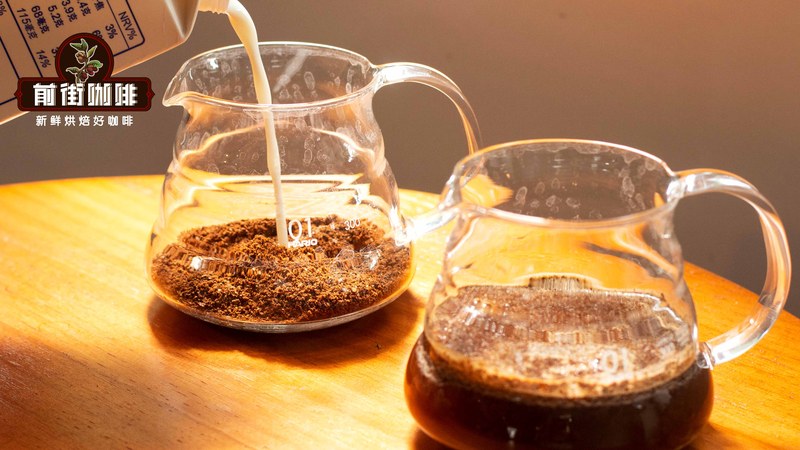
When choosing Americano coffee beans, you can translate your equipment's extraction ability into specific conditions: for a dripper, prioritize aroma and clarity; for an espresso machine, focus on strength and sweet aftertaste; a moka pot suits a rounded style that holds up to brewing; and for iced drinks, you need sufficiently vivid aromas. Once you have determined your usual equipment, then choose the corresponding beans from fruity, tea-like or full-bodied sweet profiles; once the parameters are dialed in, a daily cup of Americano can consistently express your preferences.
Related Reading


Comments (0)
Loading comments...
You May Be Interested

Trending Reviews
Popular Videos

With you, wherever you are! We provide useful features to help you find new things you'll love






