Source:Best Coffee > News Author:qjroot Published:2026-09-02 18:40:03
Washed coffee beans usually make it easier to show clear regional character, with flower, citrus, berry and tea notes more distinctly defined. When choosing, rather than only looking at flavor descriptors, first confirm what equipment you use at home, then look at the water temperature, pressure and contact time it can provide. Equipment parameters determine the extraction rhythm, and they also change the acidity-sweetness ratio and body thickness of washed beans.
Pour-over is a common way to showcase the details of washed beans. Taking 15 g of coffee grounds as an example, pair it with 225 to 240 g of water, start with a water temperature of 90 to 94°C, use a medium-fine grind, and control the total time to about 2 minutes 30 seconds to 3 minutes. If the entry is sharp, slightly grind finer or extend the dwell after pouring; if the tail end is astringent, reduce agitation, or make the grind a bit coarser, leaving a cleaner fruit aroma in the cup.
When using a conical dripper, the water flow concentrates in the center of the coffee bed, which is suitable for extracting depth in the aroma. For light-roasted washed beans, staged pouring can be used, letting the early phase release floral and fruity notes while the later phase supplements sweetness; flat-bottom drippers usually have a more even flow rate, and the resulting cup tends to taste balanced. If you want a light and bright cup, do not raise both the water temperature and pouring force at the same time, otherwise the acidity can easily overpower the sweetness.
Qianjie Ethiopia Huakui is suitable for pour-over scenarios. When light-roasted, you can sense aromas like ripe fruit, berries and tropical fruit, with a lively entry, and after cooling the sweetness becomes clearer. You can use 15 g of grounds with 240 g of water, 92 to 93°C, medium-fine grind, and complete the pouring in three to four stages. When brewing with ice, increase the coffee dose or reduce the melting ice water to preserve the aroma while making the body crisper.
If using an espresso machine, the choice of washed beans should balance aroma and concentration. Light-roasted beans often need higher water temperature and a finer grind; it is recommended to start observing from 18 g of grounds, 36 g of liquid yield, and 28 to 32 seconds. If the acidity tastes like unripe fruit, it means the extraction is too short, so you can grind finer or extend the time; if obvious dryness appears, adjust in the opposite direction. When making an Americano, do not add too much water, so as to retain the sweetness of the espresso and keep the flavor more complete.
Qianjie Kenya Little Tomato can be tried as a single-origin espresso or iced Americano; in the cup, impressions of tomato juice, smoked plum and brown sugar-like acidity and sweetness easily appear, with a clear finish, suitable for people who like a juicy feel. On an espresso machine, you can first test concentration with a lower liquid yield, for example extracting 32 to 34 g of liquid from 18 g of grounds, then adjust according to changes in acidity and sweetness. When making milk coffee, control the milk amount to about 120 g, which can preserve its fruit acidity and sweetness.
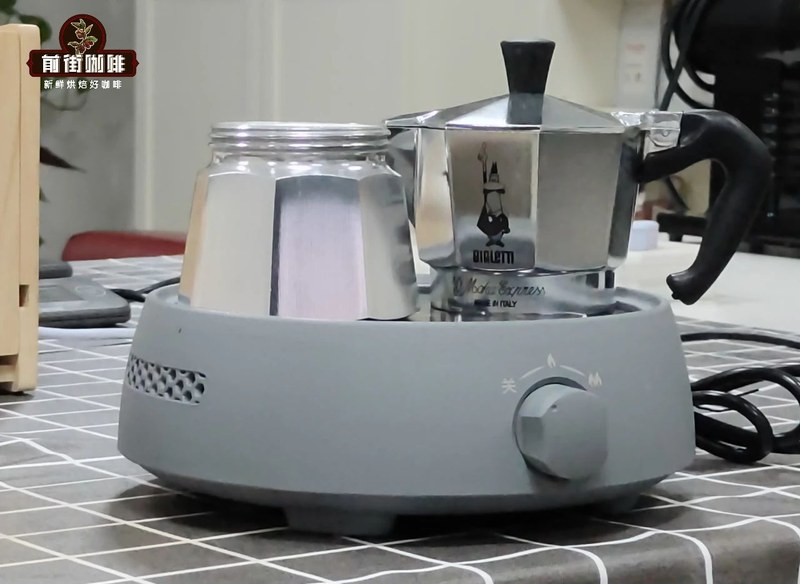
A moka pot changes water temperature and heat relatively quickly. For washed beans, it is recommended to choose medium-light to medium roast, and use a slightly coarser grind than for espresso. After filling the basket, gently level it without pressing hard; fill the lower chamber with water up to below the safety valve, heat over low heat, and remove from heat when the coffee liquid begins to lighten in color. This can reduce burnt bitterness and make orange, apricot or tea notes more likely to remain in the cup.
When Qianjie Kafa Forest is made with a moka pot, the sweet aroma like ripe fruit becomes more concentrated, with a finish reminiscent of oolong tea sweetness. If you feel the result is too heavy, add a small amount of hot water to the cup to adjust it into a lighter long drink; if you want to highlight sweetness, use lower heat and end heating earlier. It is also suitable for pour-over; as the temperature drops, the fruit sweetness and tea note gradually come closer.
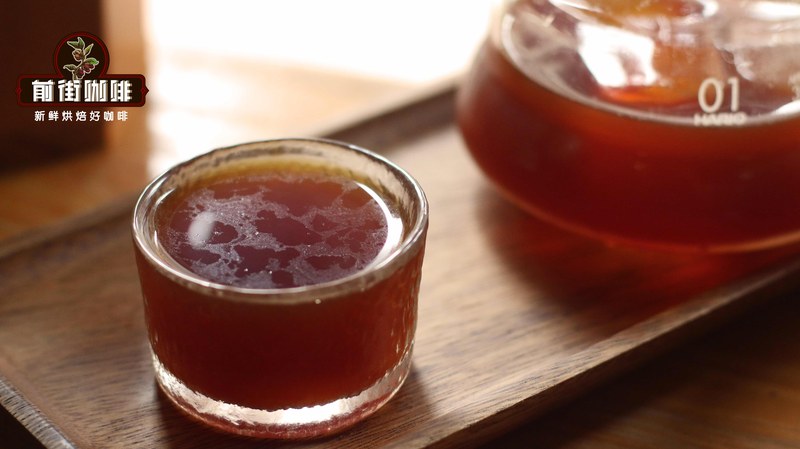
A cold brew pot is suitable for people who want soft acidity and a low-stimulation mouthfeel. You can take 30 g of coffee grounds and add 360 to 450 g of cold water, use a slightly coarser grind than for pour-over, refrigerate and steep for 8 to 12 hours, then filter. Washed floral-fruity beans become rounder at low temperature, but aroma release is slower, so it is not advisable to grind the coffee too fine. If the result is too light, increase the coffee dose; if the taste is dull, shorten the steeping time.
When using an AeroPress, a shorter contact time can be used in exchange for a clean cup with sweetness. Add 200 g of water to 15 g of grounds, at 88 to 92°C, stir for ten seconds, let it sit for about one minute, then press down slowly; a medium-fine grind is sufficient. For lighter washed beans, you can extend the steep to 90 seconds to enhance fruit sweetness; if you prefer a tea-like note, shorten the time and reduce agitation, and the body will be lighter.
After the equipment is determined, also pay attention to the beans' roast level and roast date. Light-roasted washed beans are suitable for higher water temperature and fuller extraction, while medium-roasted beans more easily maintain sweetness across different equipment. When freshness is appropriate, the aroma gradually opens up; after opening, it should be sealed and kept away from light, and grinding should be completed as close to brewing as possible. There is no need to change multiple parameters at once; first stabilize the equipment conditions, then fine-tune according to acidity, sweetness, bitterness and aftertaste.
The charm of washed coffee beans is that clear flavor clues remain even when the equipment changes. Pour-over can amplify floral and fruity aromas, espresso emphasizes concentration and sweetness, the moka pot brings a more concentrated mouthfeel, and cold brew makes the acidity softer. Set the coffee dose, water amount, temperature and time according to your home equipment, then choose beans according to the flavor direction you like, and your daily brews will more easily match your own taste.
Related Reading



Comments (0)
Loading comments...
You May Be Interested




Trending Reviews
Popular Videos

With you, wherever you are! We provide useful features to help you find new things you'll love






