Source:Best Coffee > News Author:qjroot Published:2026-10-07 10:25:34
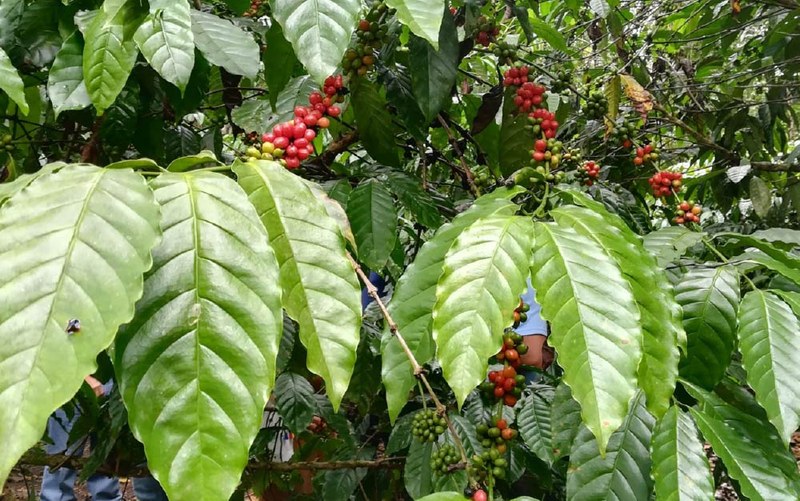
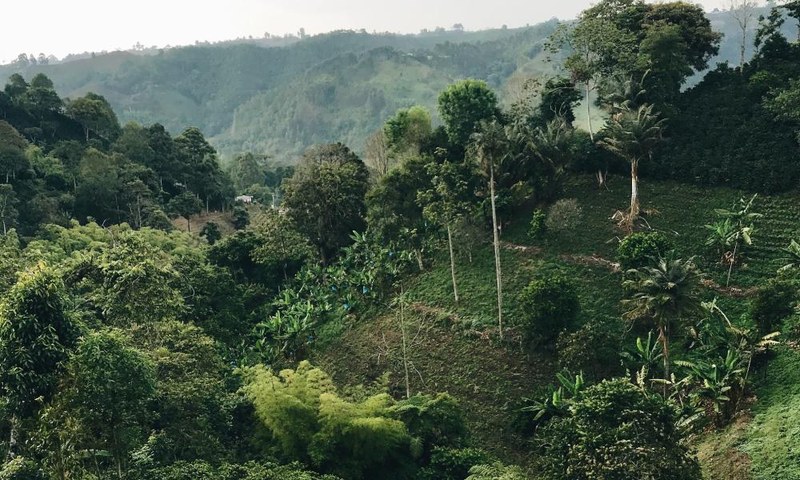
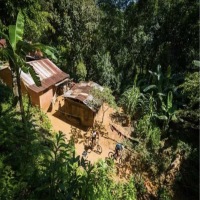
Panama is located on the Central American isthmus, and its coffee-growing areas are concentrated in Boquete, Volcan, Santa Clara and Candela in the west of the country, among which Boquete and Volcan are frequently mentioned for their outstanding quality. These areas belong to Chiriqui Province and lie in the center of the coffee belt, with fertile, deep volcanic soil, mist-shrouded mountains covered by ancient forests, humid days, cool nights and a marked temperature difference between day and night. The higher the altitude, the more slowly the coffee cherries ripen and the more fully sugars and aromatic substances accumulate, and this is the geographical foundation of Panama coffee's delicate flavors. Hacienda La Esmeralda, as the discoverer of the flavor of the Geisha variety, divides its plots by altitude into Red Label, Green Label and Blue Label grades; Red Label above 1700 m belongs to the estate's high-grade lots, and Qianjie Panama Hacienda La Esmeralda Red Label Geisha is harvested from such plots, showing a refined orange-blossom honey charm after brewing.
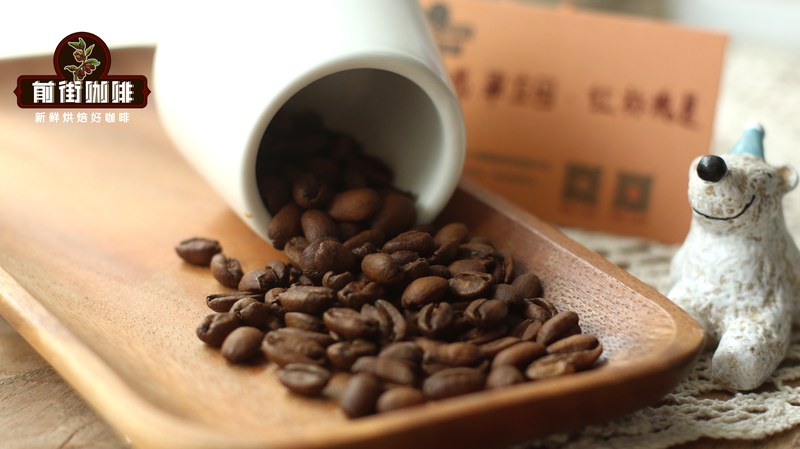
When selecting Panama coffee beans, variety is a particularly important dimension. Geisha is known for its jasmine fragrance and orange-blossom honey charm, while Caturra and Catuai provide firmer citric acidity and sweetness support. In terms of processing method, washed processing clearly presents the region's signature refreshing citric and orange acidity, while natural or honey processing amplifies a delicate honey-like sweetness and tropical fruit layers. In terms of roast level, light to medium-light roasts are more common, aiming to preserve the brightness of floral notes and acidity; over-dark roasting easily erases the delicate character of Panama coffee. For freshness, it is advisable to focus on the window within one month after roasting, with 4 days of resting, when aromatic substances are at an active release stage. Altitude and grade information are directly related to flavor density; beans from high-altitude plots usually have a more complex flavor development and a longer finish.
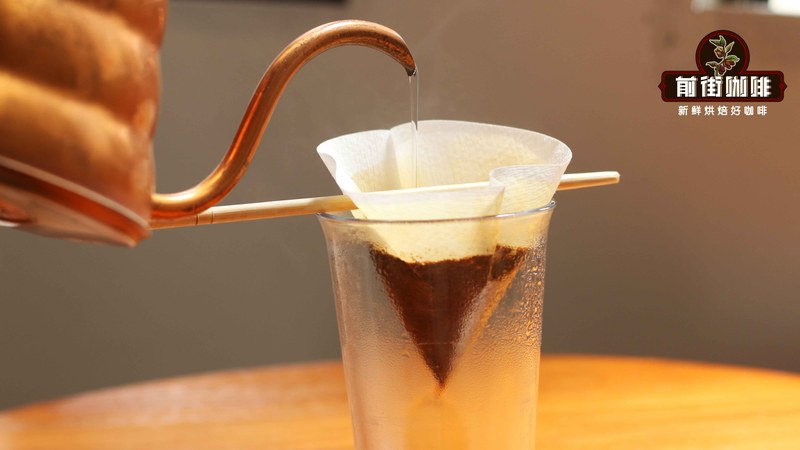
Pour-over is a classic way to present Panama coffee's flavors. Using 15 g of grounds and a 1:15 coffee-to-water ratio as the basic framework, set the water temperature at 92 to 93°C, bloom for about 30 seconds to let the coffee grounds fully degas, and control the total extraction time to within 2 minutes. If you want to highlight the refreshing tonality of jasmine fragrance and citrus, you can adjust the grind to medium-fine, keep the water flow stable in circles, and let the early-stage extraction fully release volatile aromatic substances. If you prefer a delicate sweetness like honey and green tea, you can slightly coarsen the grind, reduce the impact force of the water flow, and extend the later-stage pouring time so that sugars dissolve more completely. Qianjie Panama Washed Huadiedie is a blend of three varieties, Geisha, Caturra and Catuai, grown in the Baru Volcano area of Boquete, with a balanced overall body, citric acidity and jasmine fragrance. Brewed by pour-over according to the above approach, you can clearly feel the layered cooperation of the three varieties in the cup.
Cold brew and drip bags are extended ways to drink Panama coffee. Because of long low-temperature steeping, cold brew has softer acidity and amplified sweetness, making it especially suitable for beans such as Qianjie Panama Washed Huadiedie that combine floral notes and body; the grind can be slightly coarser than for pour-over, and after refrigerated steeping and filtering, you get a clean, clear and sweet iced coffee. For drip bags, pay attention to the pouring rhythm; because the coffee bed is thinner, avoid a single large-volume impact, and pour slowly in three stages to replicate the even extraction of pour-over as much as possible. When extracting Panama coffee with a moka pot, use a finer grind, control the heat at medium-low, and remove from heat as soon as the coffee liquid emerges, using residual pressure to complete extraction; this yields a rich espresso base with caramelized sweetness, suitable for drinking over ice or diluted with a small amount of hot water, but note that the moka pot's high temperature and high pressure weaken delicate floral notes, making it more suitable for scenarios pursuing a full-bodied taste.
The key to understanding the flavor logic of Panama coffee lies in grasping the substance accumulation from slow ripening at high altitude and the expressive differences brought by processing methods. From Baru Volcano in Boquete to the misty valleys of Volcan, microclimates within the same producing area can also cause subtle differences in flavor leaning. When buying, there is no need to blindly chase high grades; instead, choose the corresponding variety and processing method according to the type of flavor you want to drink, and then make targeted adjustments with brewing parameters. Whether it is the refined orange-blossom honey charm of Qianjie Panama Hacienda La Esmeralda Red Label Geisha or the balanced floral notes and acidity of Qianjie Panama Washed Huadiedie, in essence both are differentiated expressions of Panama terroir. By matching variety, altitude, processing method and brewing variables, you can, with each pour, more accurately reach the flavor story that cup of coffee wants to tell.

Related Reading
Comments (0)
Loading comments...
You May Be Interested

Trending Reviews
Popular Videos

With you, wherever you are! We provide useful features to help you find new things you'll love






