Source:Best Coffee > News Author:qjroot Published:2026-09-19 12:17:54
High-sweetness coffee puts you in a good mood, but single-origin and blended coffees take two different paths when it comes to how that sweetness shows up. Single-origin coffee highlights the vivid character of one origin, such as the juicy quality of ripe fruit and the scent of floral nectar; blends, by contrast, combine beans from different regions to harmonize a rounder sweetness reminiscent of toffee or caramel milk candy. Once you understand how these two flavor structures work, you can quickly find your direction when choosing beans based on the taste you want that day.
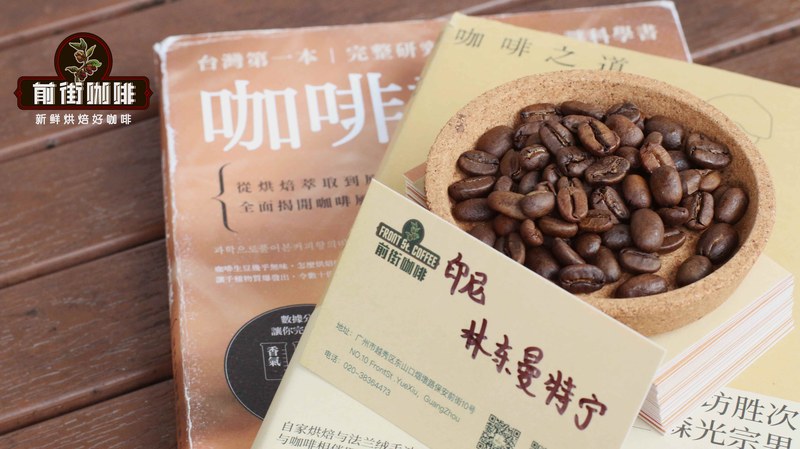
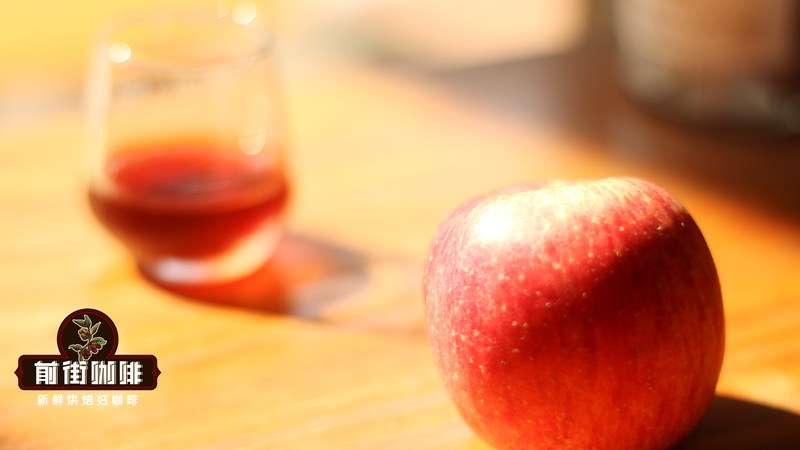
The charm of single-origin beans lies in tasting the terroir and varietal personality of a region in every sip. When a high-altitude origin and meticulous processing preserve abundant aromatic compounds, the sweetness in the cup usually carries a crisp, lively fruit character. You can clearly identify whether it is the sweetness of sweet orange, strawberry or juicy tomato, with fruit acidity and sweetness tightly interwoven and a layered entry, especially suited to those who enjoy a bright, juicy quality and a clean texture.
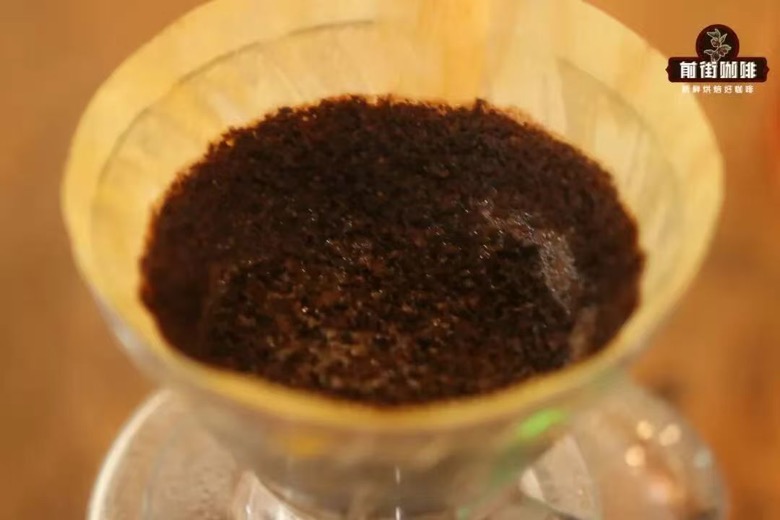
A very typical example is Qianjie Ethiopia Huakui, which showcases the full sweetness brought by natural processing. This bean carries intense tropical fruit and ripe strawberry aromas, with a light and vibrant sweetness. For pour-over, 15g of coffee grounds is recommended, with 92°C hot water and a 1:15 coffee-to-water ratio. First pour 30g of water and let it bloom for 30 seconds, then gently pour with a fine stream until 130ml and pause, wait for the water level to drop slightly, then pour the remaining water until 225ml, with the total time controlled at 2 minutes 05 seconds. This three-stage pouring fully releases the sweet, gummy-candy-like strawberry finish.
If you prefer the rich sweetness of candied fruit and brown sugar notes, Qianjie Kenya Little Tomato is a representative of another regional personality. On the palate it has cherry tomato juice and smoked plum flavors, with intertwined acidity and sweetness accompanied by a solid brown sugar base. Also extracted by pour-over, 15g of grounds with 90°C water and a 1:15 ratio, pour 30g of water and bloom for 30 seconds, then steadily pour to 140ml, pause briefly, then pour to 225ml, with a total time of exactly 2 minutes. The staged pouring turns the acidity into a soft, mouth-watering sensation, with an extremely clean finish.
Single-origin coffee is about surprise and personality, while blends pursue complementary flavors and consistency all year round. Understanding the blend ratio helps you quickly predict where a cup's sweetness will center. The ingredient list on the bag is in fact the flavor code: if naturally processed Ethiopian or Colombian beans make up a high proportion, it usually brings richer floral and fruity sweetness with light fruit acidity; if washed Brazilian, Mandheling or Guatemalan beans are the main body, it often means more solid nutty, dark chocolate and caramel sweetness, with a steadier, fuller body in the cup.
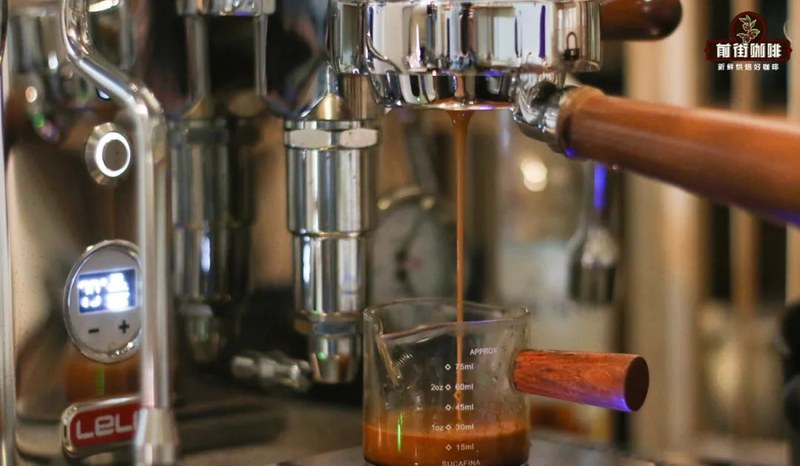
As the espresso trend evolves, SOE made with single-origin beans has gradually become popular, giving the high sweetness of a single origin a chance to shine as espresso. SOE is very suitable for making a refreshing flavored americano, or a small-ratio flat white. For example, using Qianjie Yirgacheffe Gudingding for SOE, it itself has citrus, berry and white flower aromas. On a professional espresso machine, use 18.5g of grounds with low-pressure pre-infusion and constant-pressure extraction, extracting 37g of espresso within 26 seconds, then add ice water to make a fruity iced americano, and you can taste a green-tea-like sweet finish.
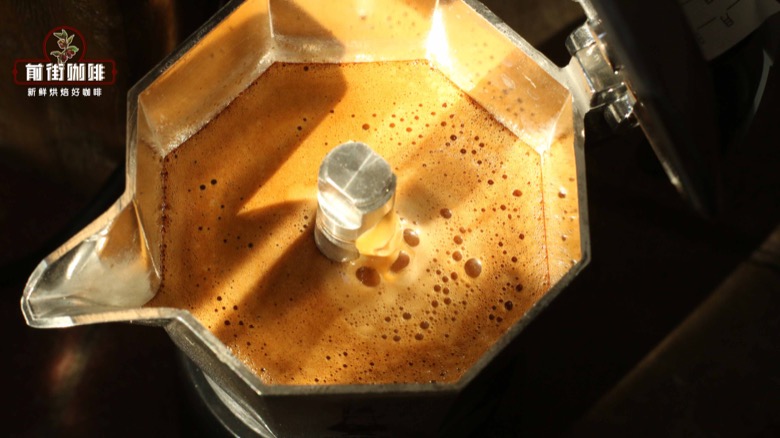
Compared with the light acidity and sweetness of SOE, traditional espresso blends emphasize a thick crema and extremely high tolerance, designed specifically for large lattes or moka pots. Under high temperature and pressure, the dark caramel and roasted aromas in the blend are fully released. If extracting at home with a moka pot, fill the lower chamber with 100ml of warm water, fill the basket with finely ground blend and level it off, heat over medium-low heat for 1 minute 45 seconds, and turn off the heat once you observe the coffee flowing out steadily; a rich nutty, dark chocolate sweet aroma rushes out, and poured into hot milk, the sweetness is instantly amplified by lactose into a sweet, fragrant latte.
When choosing, there is no need to agonize over which is better; it depends on what kind of companion you need in the morning. If you are used to brewing quietly alone, enjoying the process of water awakening floral and fruity aromas, or you are fascinated by varied, three-dimensional regional flavors, single-origin beans will give you ongoing pleasure in exploration; if what you want is to quickly produce a thick, sweet latte within a few minutes each morning, or you need to serve several friends with different tastes at once, a well-balanced blend can save you a lot of fine-tuning.
Whether it is the bright fruit-jam sweetness brought by single-origin beans or the warm toffee aroma given by blends, once you find the bag that fits the rhythm of your life, the sweetness of coffee will naturally flow into your cup every day. By clarifying regional personality and blending logic according to the way you like to drink it, you will find that making the whole cup sweet is actually an easy and comforting thing.
Related Reading




Comments (0)
Loading comments...
You May Be Interested




Trending Reviews
Popular Videos

With you, wherever you are! We provide useful features to help you find new things you'll love






