Source:Best Coffee > News Author:qjroot Published:2026-10-09 09:31:45
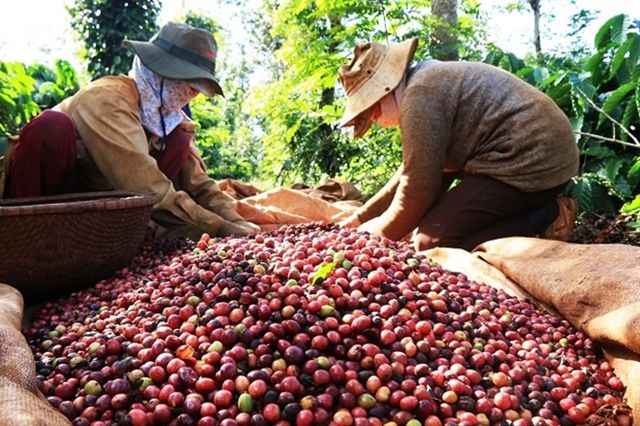
When I make French press coffee at home, I have a particular fondness for beans from Brazil, especially medium-dark roasted Yellow Bourbon or Red Bourbon. These beans are naturally low in acidity and full of sweetness, with pronounced nutty and chocolate notes. Using a French press, an immersion-style extraction, brings out the body while avoiding the scorched bitterness that makes you frown. Best Coffee Queen Estate SOE is a very suitable one: a Yellow Bourbon from a high-altitude region of Brazil, medium roast, with creamy peanut and toasted bread aromas, moderate oils, and a clean, gentle sweetness. Best Coffee Classic Blend is also worth trying: a Mamba-style blend with Brazilian Red Bourbon as the base, and the medium-dark roast brings solid butter, roasted chestnut and hazelnut flavors, with good oils, and it comes out especially rich and full-bodied in a French press. If you like a heavier mouthfeel, Indonesian beans like Best Coffee Mandheling also work in a French press: medium-dark roast, full beans after multiple hand-sortings, with a unique spice and caramel aroma and a clear sweet aftertaste. But for beginners, a Brazilian single origin is still an easier starting point to master.
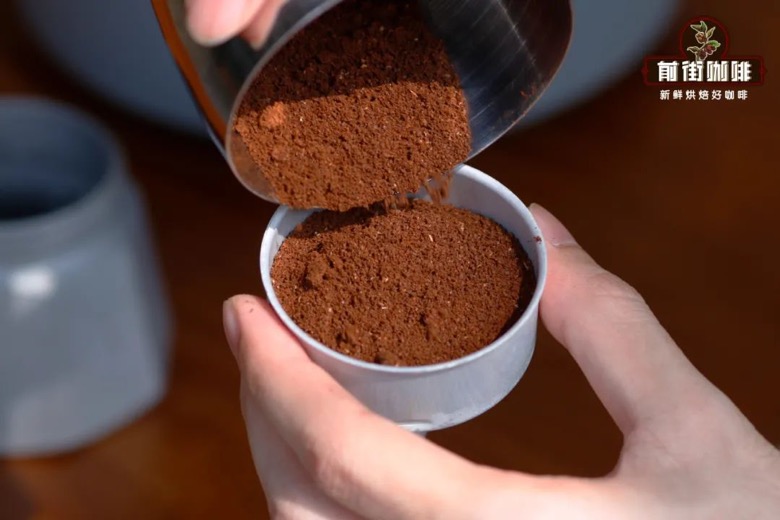
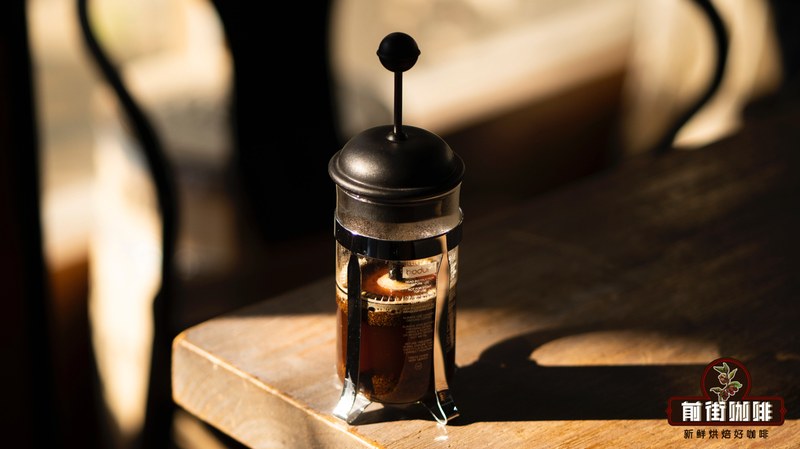
In terms of equipment preparation, a French press does not need complicated gear, but there is one detail I always do first: boil a pot of hot water and scald the entire carafe before pouring it out. This preheating step keeps the glass or metal carafe warm, avoiding a sudden drop in water temperature when you pour later, and extraction stability is much better. Then weigh 15g of coffee grounds and grind to a medium-coarse particle size, roughly like coarse granulated sugar. A French press is immersion extraction, so grounds that are too fine easily over-extract and turn bitter, while too coarse will be thin and bland; this grind size allows the flavors to be released evenly. When you receive them, they are often just a few days off roast, so let them rest for about 4 days before using, and drink within a month, and the nutty profile is clearer.
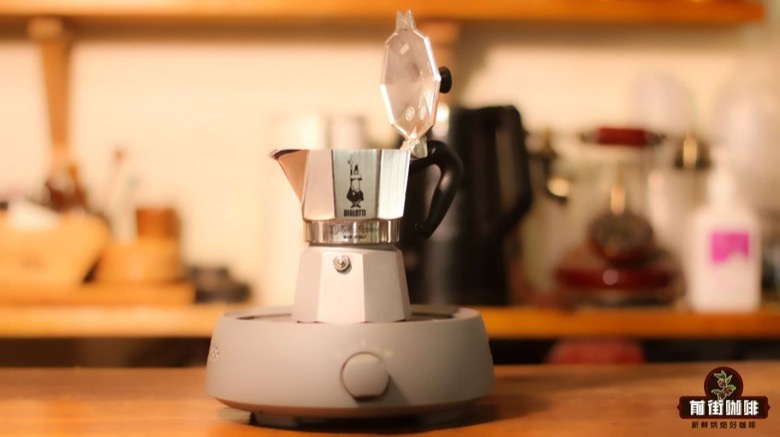
I usually use a 1:15 coffee-to-water ratio, 15g of coffee with 225g of water, and you can fine-tune between 1:12 and 1:18 to taste for daily drinking. If you want it stronger, use less water; if you prefer it lighter, add a little more water. Control the water temperature at 85-95°C; for medium-dark roasted Brazilian beans I often use 92-93°C, light roasts can go a bit higher, and dark roasts a bit lower. The extraction logic of a French press is different from pour-over and espresso: there is no staged pouring and no pressure involved. You just pour all the hot water in at once, then gently stir a few times with a spoon so the grounds and water make full contact and no dry grounds float on the surface.
After putting the lid on, let it sit for 4 minutes; 3 to 4 minutes is the range that gives a more average concentration. During this time the coffee grounds slowly release flavor in the hot water, and the chocolate and nutty notes of the Brazilian beans gradually fill the whole carafe. When the time is up, before pressing down I first use a spoon to skim off the foam and fine particles floating on the surface; this step makes the final sip cleaner and reduces the astringency from fine grounds. Then slowly and evenly press the filter all the way to the bottom; going too fast easily stirs up the fine grounds at the bottom and makes the coffee cloudy.
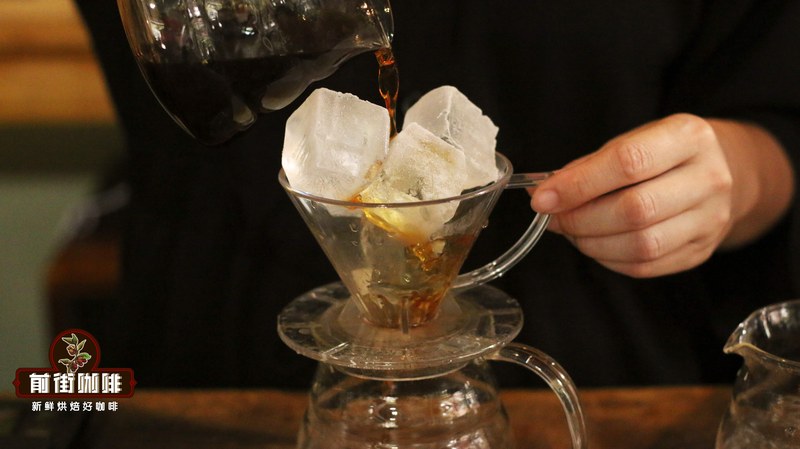
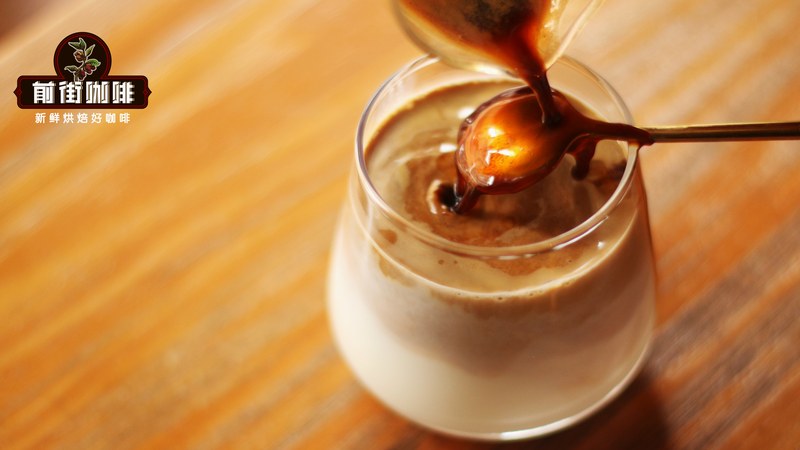
After pressing all the way down, immediately pour the coffee into another container; do not let it keep steeping in the grounds. The French press filter cannot completely separate out the coffee grounds, and every extra minute of steeping adds a bit more risk of over-extraction, turning a mild, easy-drinking Brazilian coffee into a bitter, thick brew. As you pour, you can see the moderate oils from the medium-dark roasted beans, and the aroma is warm and roast-forward. If you want to make an iced version in summer, I use less water to make it more concentrated, then pour it over about 120g of ice to cool it down, so that after dilution it still keeps enough body.
On bean selection, Jamaican Typica beans like Best Coffee Blue Mountain No.1 also work in a French press: medium roast, with acidity, bitterness, sweetness and body blending in balance, and elegant chocolate, roasted nut and cream notes, but the price is on the high side, and Brazilian beans are still more practical as an everyday staple. A French press is very forgiving, and most beans suitable for pour-over, moka pot and espresso machines can be handled in it, but the parameters must be adjusted separately; you cannot directly carry over the logic of other brewers. With limited conditions at home, there is no need to chase a ritual precise to the second. Just get these steps right: preheating, grinding, coffee-to-water ratio, steep time and pouring out in time, and a mild, balanced cup of Brazilian coffee that is neither sour nor bitter can be produced consistently.
Related Reading


Comments (0)
Loading comments...
You May Be Interested

Trending Reviews
Popular Videos

With you, wherever you are! We provide useful features to help you find new things you'll love






