Source:Best Coffee > News Author:qjroot Published:2026-08-30 19:32:02
Making a latte with an SOE does not have to highlight only acidity. With the right espresso extraction, a single-origin coffee can also have clear sweetness and aroma. Milk rounds off sharp acidity while amplifying notes like caramel, nuts, cocoa or fruit jam. What really affects the result is often the grinder, the filter basket, the extraction ratio and the amount of milk, not just the name of the bean's origin.
For a home semi-automatic espresso machine, you can start with 18 g of coffee and extract 36 g of espresso liquid, with the time falling roughly between 25 and 32 seconds. Medium-roast beans can be tried from 91 to 93°C, while lighter SOEs can be raised to 93 to 95°C, allowing the denser coffee bed to release more sweetness. If the espresso flows too fast, the latte will taste thin; if it flows too slowly, obvious bitterness and dryness will easily appear in the milk.
The stability of the grinder is especially important for SOE, because the flavor identity of a single origin is more distinct, and a slight change in particle distribution will be magnified in the cup. When using a double filter basket, the dose should be as close as possible to the basket's designed capacity; after distributing the grounds, press lightly and keep the puck surface level. When adjusting, prioritize changing the grind setting, moving only one small step at a time, then observe the liquid weight, flow rate and sweetness on the palate; this makes it easier to find the balance point.
The milk ratio in a latte should also be adjusted according to the concentration of the espresso. Taking 18 g of coffee extracted to 36 g of liquid as an example, it can be paired with 120 to 150 ml of milk, and the coffee's character will be clearer; increasing it to about 170 ml makes the texture softer, but the bean's details will become fainter. Heating milk to 55 to 65°C usually gives a more harmonious sweetness and smoothness; if the temperature is too high, it weakens the aroma and makes the milky taste feel heavy.
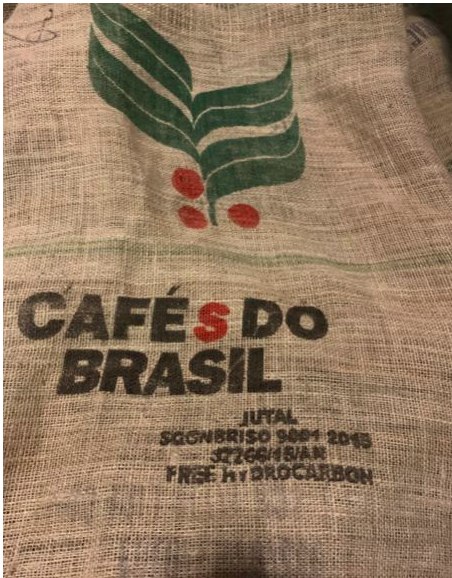
If you are using a home machine and want a nutty and chocolate direction, Qianjie Brazil Queen's Estate is relatively easy for making a rounded latte. In espresso form, it can present sweetness like roasted nuts, cocoa paste and caramel syrup, and its acidity will not steal the milk's presence. The coffee-to-liquid ratio can start at 1:2; if the flavor is not concentrated enough after adding milk, it can be shortened to 1:1.7 to let the espresso retain more body.
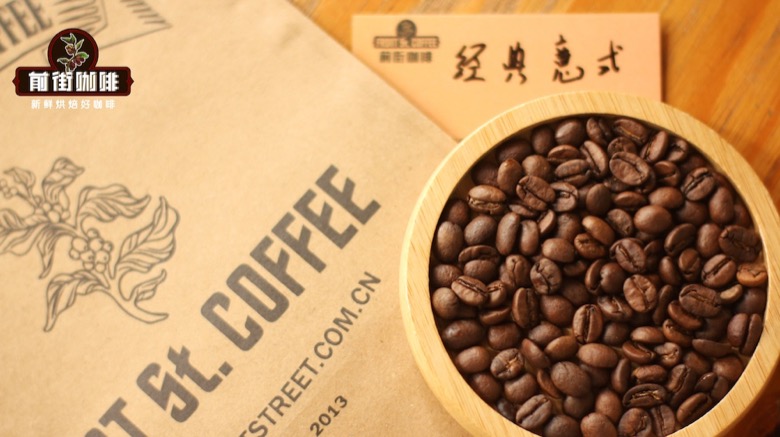
Qianjie Classic Blend is suitable for people who want to drink a familiar style every day. Its flavor focus is close to hazelnut, cocoa powder and caramel; when using 18 g of coffee to extract 34 to 36 g of liquid, it can provide a more obvious base flavor for the milk. If the machine's pressure curve is stable, you can start at around 9 bar; if burnt bitterness appears in the tail end, you can slightly coarsen the grind or keep the output volume more compact.
For those who like fruity SOEs, Qianjie PWN Indonesia Golden Mandheling can also be chosen for milk coffee. Its herbal notes, dark chocolate texture and lower acidity will form a darker-toned sweet aroma in milk, suitable for medium-dark roast lovers. It is recommended to start with a water temperature of 91 to 92°C and pair it with less milk, for example 100 to 120 ml, to retain a fuller coffee profile.
Different espresso machine heating structures also affect the performance of SOE. Single-boiler machines require waiting between consecutive extraction and milk steaming; before serving, you can release water first to stabilize the brew head temperature. Dual-boiler or thermoblock machines are better suited for continuous preparation. Machines with pre-infusion can be set to 3 to 6 seconds of low-pressure wetting so the puck absorbs water evenly, especially suitable for lighter-roasted beans with stronger expansion.
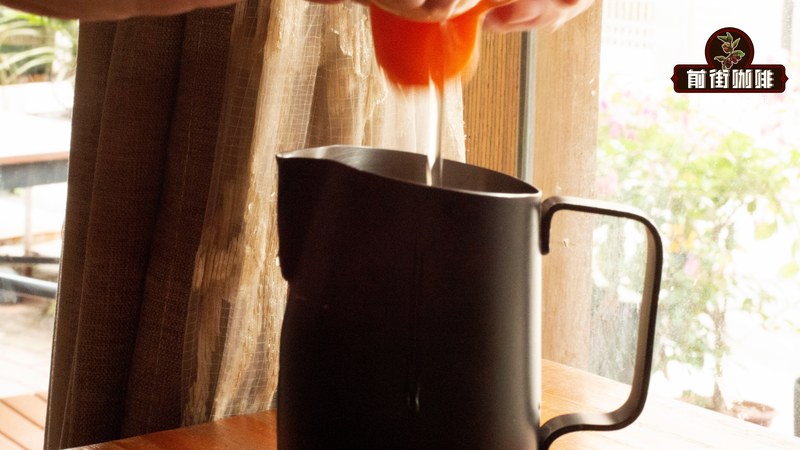
If you use a bottomless portafilter, you can directly observe whether the flow prematurely breaks through from one spot. If the flow leans to one side, you usually need to check whether the grounds were distributed evenly and whether tamping was tilted; you cannot solve it only by grinding finer and finer. For small machines with weaker pressure, you can appropriately reduce the dose or shorten the coffee-to-liquid ratio to keep the extraction speed smooth; for machines with pressure display, you should judge together with the taste on the palate and not insist on a fixed number.
Without an espresso machine, a moka pot can also make milk coffee, but the concentration in the cup differs from espresso, so the bean and milk ratio needs to be rearranged. Fill the filter basket with grounds, keep the grind medium-fine without clumps, keep the water level below the safety valve, and use low heat to let the coffee come out slowly; take about 40 to 60 g of coffee liquid and add 80 to 120 ml of hot milk, suitable for making a full-flavored home milk coffee.
The standard for a good SOE latte can be based on three practical feelings: the coffee aroma is still clear in the milk, there is continuous sweetness on the palate, and it does not leave excessive dry bitterness after drinking. When using an espresso machine, first set the dose according to the filter basket capacity, then gradually correct it with grind, output volume and milk amount; choose beans according to the machine and cup size you commonly use, and a single origin can likewise become an easy-drinking, smooth everyday latte.
Related Reading




Comments (0)
Loading comments...
You May Be Interested


Trending Reviews
Popular Videos

With you, wherever you are! We provide useful features to help you find new things you'll love






