Source:Best Coffee > News Author:qjroot Published:2026-09-03 18:37:18
If you want a pour-over that tastes soft and gentle, the brewer parameters need to match the bean's extraction rhythm. The size of the dripper's holes, how well the filter paper sits against the walls, and the thickness of the coffee bed all change how long water stays in the grounds. Beans with lower acidity usually carry nutty, cocoa or caramel notes; if the flow is too fast they can taste thin, and if it is too slow they can turn bitter. The key is to let the sweetness and body come through smoothly.
If you use a conical dripper like the V60, the drainage speed is relatively flexible, making it suitable for medium-fine grinding and pulse pouring to control extraction. You can start with a coffee-to-water ratio of around 1:15 and a water temperature of 90 to 92°C. Do not pour too hard in the first stage, or the coffee bed may be pushed into deep channels. This combination keeps medium-roast beans rounded while reducing the sense that the bright acidity is being over-amplified.
A flat-bottom dripper has a shallower coffee bed and distributes water more evenly, so extraction tends to be more consistent. To brew non-acidic-style beans with it, choose a medium grind and keep the water temperature at around 91°C, completing the pour in two to three stages. If the cup tastes a little weak, grind slightly finer; if your tongue feels dry, coarsen the grind a little and reduce the dwell time at the end.
Qianjie Brazil Queen Estate is a good starting reference for practicing brewer parameters. In the cup it readily shows toasted nuts, cocoa powder and caramel-like sweetness, with little prominent acidity, so you can use a gentler flow with a conical dripper. Start with a 1:15 ratio and aim for an extraction time of around two and a half minutes; this preserves a smooth mouthfeel without making the finish taste dull.
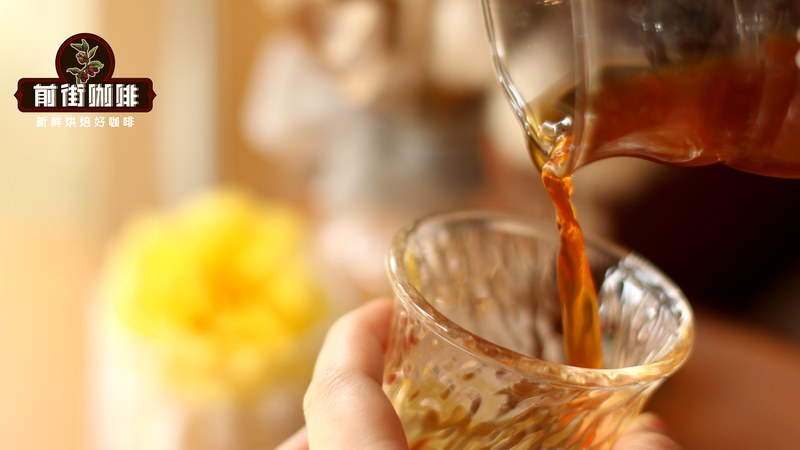
If you use a slow-flowing wave dripper at home, do not simply copy the settings for a conical dripper. The ripple structure creates drainage channels between the filter paper and the dripper wall, while the coffee bed itself does more of the filtering. It is best to start with a medium-coarse grind, a lower water temperature and minimal agitation; after pouring, watch how fast the liquid level drops and let the coffee pass through the bed naturally for a cleaner cup.
If you prefer a thicker mouthfeel, you can narrow the coffee-to-water ratio to 1:14 and reduce the total number of pours. Take Qianjie Signature Blend as an example: the nutty, caramel and cocoa notes from Brazil Cerrado and Colombia Huila are well coordinated, and when brewed in a flat-bottom dripper, it still keeps its sweet, mellow quality at a higher strength. Drunk on its own it is a gentle black coffee, and it also has enough body to stand up to a little milk.
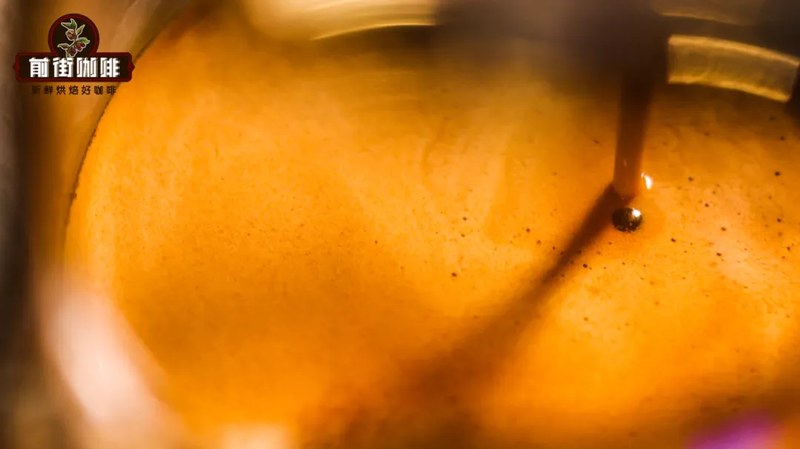
For immersion brewers such as the Clever Cup and French press, the key parameters are steep time and filtration speed. They do not rely on continuous pouring to change flow rate the way standard drippers do, so medium-coarse grinding suits them better. You can start with a 1:15 ratio and finish filtering after three to four minutes of steeping; if bitterness increases, shorten the contact time rather than simply reducing the dose.
Brewed in an immersion device, Qianjie Papua New Guinea Paradise Bird shows soft sweetness, a rounded texture and a fairly clear finish. Set the water temperature at 89 to 91°C, steep for about three minutes, then filter gently, and the cup will have a balanced feel close to nuts and light cocoa. If you switch to a V60, a slightly finer grind and less water are suitable so the flavor does not taste too thin.
Filter paper also affects how non-acidic beans perform. Thick paper traps more oils, making the cup cleaner but potentially weakening the body; thinner paper or paper that sits poorly leaves more oils behind, giving a fuller mouthfeel. If you use a brewer with fast filter paper, grind one step finer; if the paper clogs easily, reduce the proportion of fines and minimize agitation so the caramel sweetness stays clear.
To judge whether your parameters are right, do not look only at how strong the acidity is. After the coffee enters your mouth, notice whether the sweetness appears promptly, whether your mouth feels dry after swallowing, and whether the cocoa and nut notes remain coherent as the temperature drops. Soft acidity does not mean a lack of complexity; with the right adjustments to water temperature, flow rate and grind, rounded beans can also show aromatic changes and a clean finish.
For everyday pour-over, you do not need to change brewers often. First understand the drainage characteristics of the dripper you have, then choose suitable beans and parameters for it. Pair a fast-flowing dripper with a finer grind, and start a slow-flowing brewer with a medium-coarse grind; water temperature and coffee-to-water ratio need only small adjustments. Non-acidic beans chosen this way keep their sweetness and are easier to reproduce in daily brewing.
Related Reading

Comments (0)
Loading comments...
You May Be Interested

Trending Reviews
Popular Videos

With you, wherever you are! We provide useful features to help you find new things you'll love






