Source:Best Coffee > News Author:qjroot Published:2026-09-07 09:58:07
The same bag of coffee beans, when brewed as pour-over, can amplify floral notes and fruity acidity, while on an espresso machine it shifts toward a rich, sweet presentation. How to choose beans depends not only on the flavor description, but also on leaving room for adjustment: light-roasted beans need more heat to release aroma, while medium-dark roasted beans require controlling extraction strength to avoid bitterness covering the sweetness. Setting parameters according to the actual brewing method makes it easier to bring the beans' characteristics into the cup.
For pour-over, you can start with a 1:15 coffee-to-water ratio, for example 15 g of ground coffee with 225 g of water. For water temperature, light-roasted beans can be tried from 92 to 95°C, and medium-roasted beans can fall between 90 and 93°C. The grind size should not be adjusted too fine in one step; first keep the total extraction time at about two and a half to three minutes, then change the bed resistance based on taste, and your judgment will be more stable.
If the cup has sharp acidity and the sweetness has not yet opened up, it usually means the solubles are not being released enough; you can grind slightly finer, or raise the water temperature by 1 to 2°C. If there is obvious dryness in the finish, do not rush to lower the temperature drastically; first reduce circular pouring and agitation to make the flow smoother; you can also slightly coarsen the grind to shorten the contact time between coffee and water. Change only one direction at a time, so the flavor changes are easier to track.
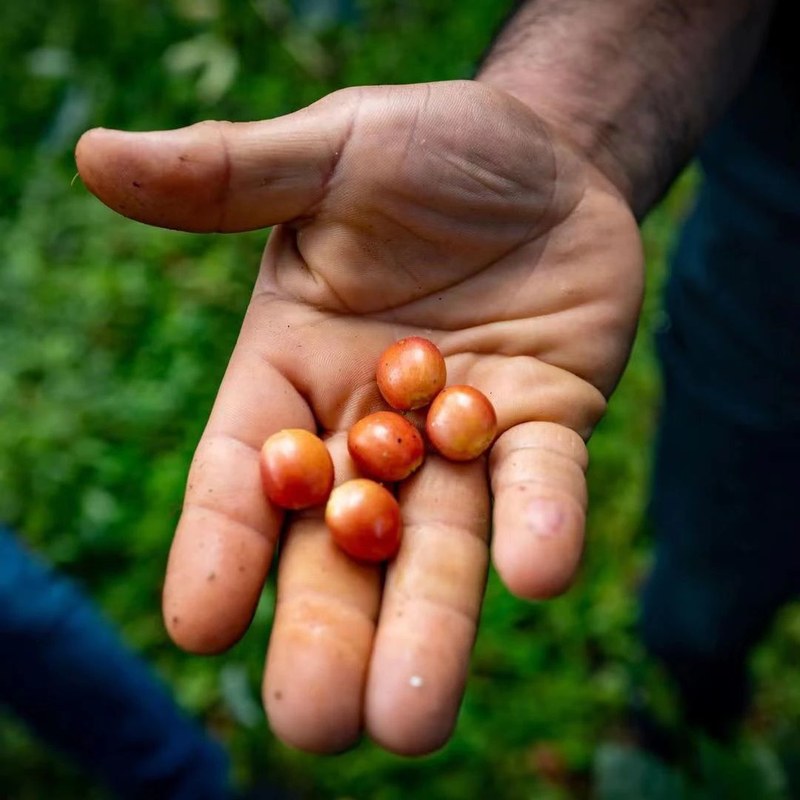
Qianjie Kenya Little Tomato is suited to a higher water temperature and medium-fine grind to express its bright acidity. With 15 g of coffee and 240 g of water at 93 to 95°C, pouring in three to four stages allows the cherry-tomato-like sweet-tartness, smoked plum notes, and yellow sugar sweetness to appear in sequence. If it tastes only sharply acidic, you can extend the bloom or grind a little finer; if the finish is astringent, reduce agitation in the later stages.
Qianjie Kafa Forest has a lighter body and is suited to a gentle, even flow of water. The water temperature can start from 91 to 93°C, the coffee-to-water ratio can be 1:15 to 1:16, and the grind should remain medium-fine. Orange and apricot aromas are more direct at high temperatures, while the oolong tea-like aftertaste often becomes clearer after the coffee cools, so do not judge the whole cup while it is still piping hot.
For the sun-dried, intensely flavored Qianjie Granja Estate Geisha, a lower-agitation technique can be used. With 15 g of coffee and 225 g of water at 92 to 94°C, pouring in two stages after the bloom can reduce the astringency caused by fine-particle migration. If you want to observe the orange blossom, guava, and berry notes, drink the coffee in several small sips; temperature changes will bring different aroma focal points.
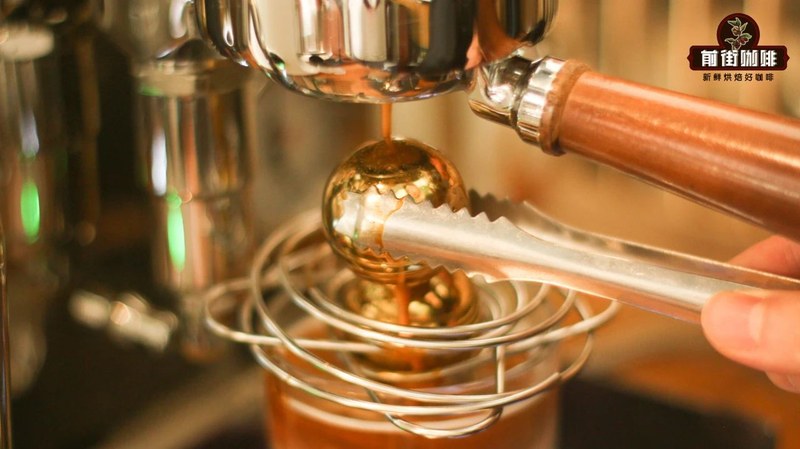
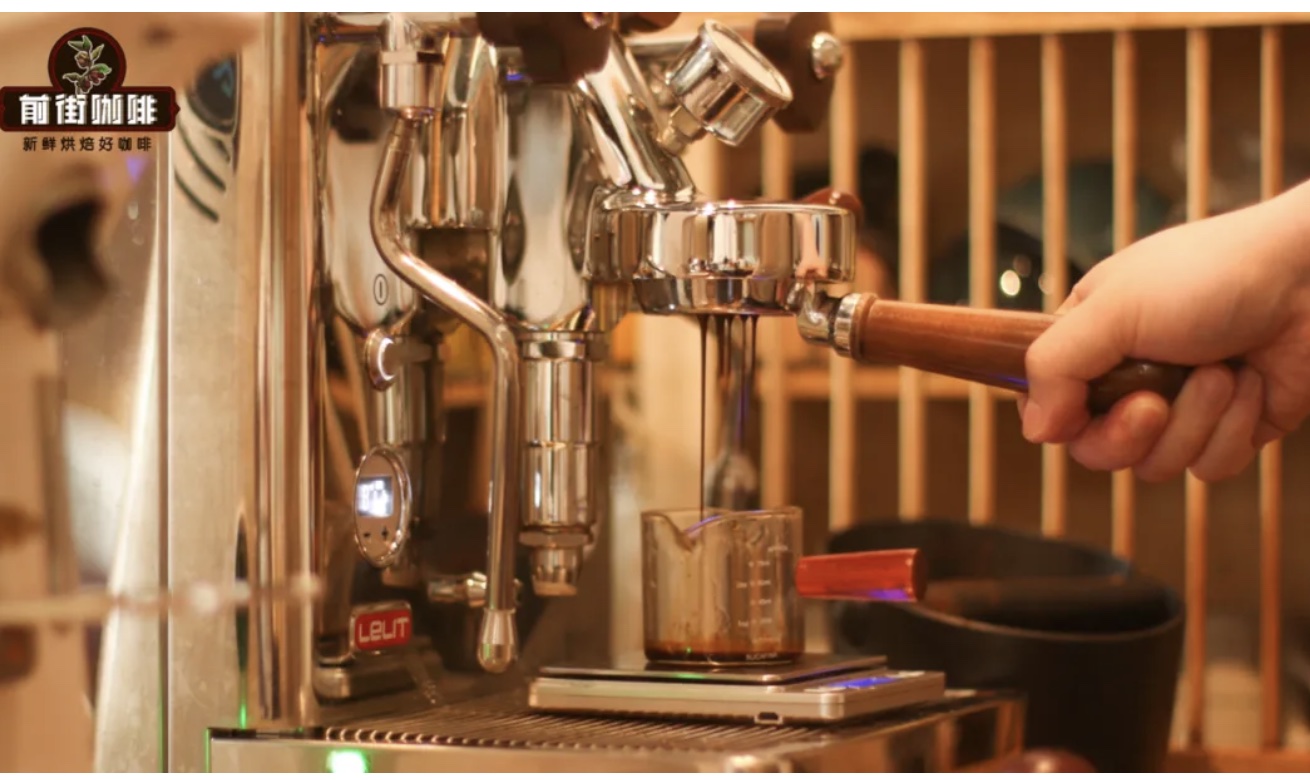
Turning to the espresso machine, the approach shifts from aroma development to harmony of concentration, sweetness, and texture. The dose can be set according to the portafilter capacity, for example 18 g of coffee, with 36 g of liquid as a starting point and an extraction time of about 25 to 30 seconds. Pressure usually only needs to remain near 9 bar; what truly needs frequent fine-tuning is the grind size and yield. Higher pressure does not mean a richer cup.
When making espresso with light-roasted beans, the grind is often finer than for pour-over, and the water temperature can also be set at 93 to 95°C. If the early flow is too fast and the taste is like unripe fruit, you can grind finer so that the yield stays the same while extraction is extended; if the mouthfeel is dry and hard with a tightening throat, you can shorten the brew ratio, for example from 1:2 to 1:1.7, while also checking whether the puck is evenly distributed.
When Qianjie Kafa Forest is made as espresso, you can try 18 g of coffee extracting 36 to 40 g of liquid, presenting citrus sweet-tartness and a light tea-like feel; when adding a small amount of milk, appropriately reduce the yield to preserve the coffee's presence. Qianjie Granja Estate Geisha is better suited to a short-ratio ristretto or americano, and the grind fineness should match a stable flow rate, avoiding excessively prolonging the time so that the jam-like sweet aroma turns dry and astringent.
After dialing in the same bean, you also need to record the variables, including dose, yield, time, water temperature, and grind setting. For pour-over, focus on the entry sweet-tartness, aroma clarity, and the aftertaste after cooling; for espresso, observe the concentration beneath the crema, the finish, and the cleanliness after swallowing. When the beans taste too light, increase extraction; when the flavor is too heavy or bitter, reduce extraction strength, and the parameters will turn from a set of numbers into a truly useful way to drink.
Related Reading



Comments (0)
Loading comments...
You May Be Interested

Trending Reviews
Popular Videos

With you, wherever you are! We provide useful features to help you find new things you'll love






