Source:Best Coffee > News Author:qjroot Published:2026-09-18 16:43:26
Brazilian coffee beans have always been known for low acidity, nutty notes, roasted cocoa and caramel sweetness, but many friends often find the cup flat and uninspiring, even a bit dull, when brewing at home. In fact, more than ninety percent of coffee liquid is water, and the minerals in water are not only a dissolving medium but also the key carriers that capture coffee's aromatic compounds. A slight change in water can make a big difference in the cup.
When discussing the impact of water quality on brewing, the core lies in hardness and total dissolved solids in water, commonly known as TDS. If you directly use purified water that has undergone deep filtration, because active ions such as calcium and magnesium are extremely scarce, it is difficult to effectively pull out the deep sugars and large aromatic molecules during extraction, and the originally rich Brazilian coffee will appear thin and hollow, lacking support in the mouth.
If you directly boil tap water from the faucet, in most regions this is relatively hard water with noticeably high mineral content. Excessive bicarbonate ions will neutralize the trace but precious soft fruit acidity in coffee, causing the whole cup to lack freshness, and the finish is also likely to bring out a rough, dry throat sensation. The originally attractive caramel sweetness is also easily masked by off-flavors.
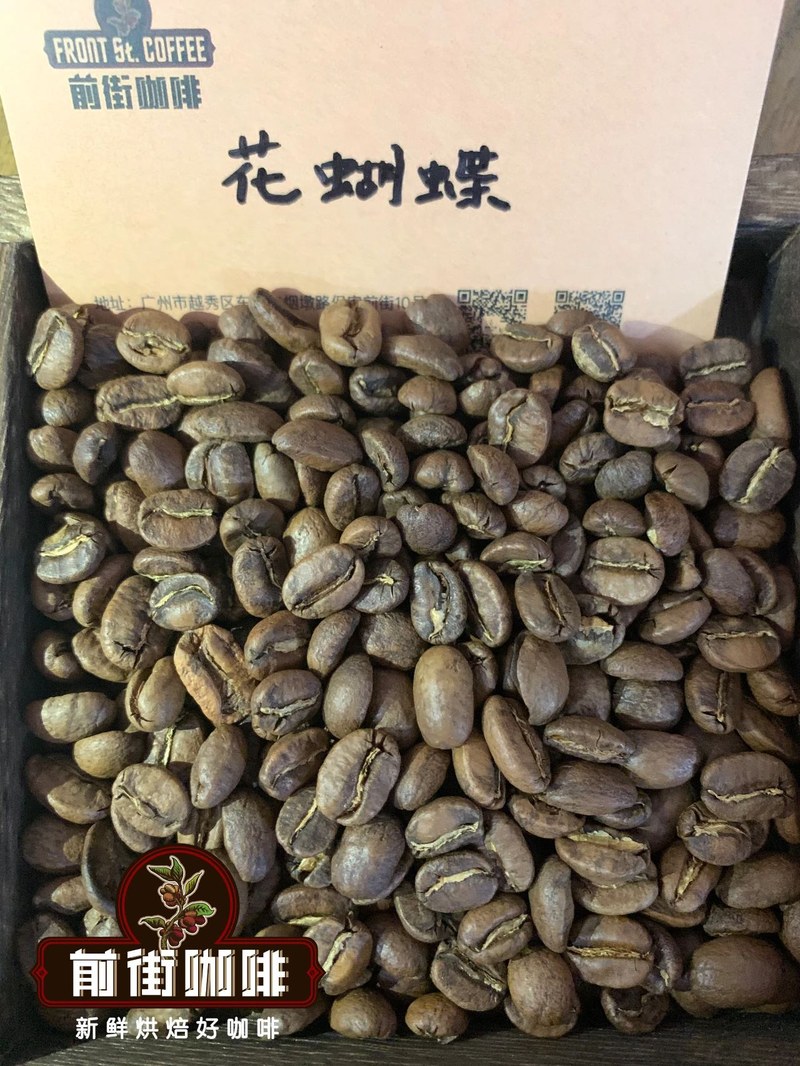
When brewing at home, a more suitable choice is lightly mineralized water or natural mountain spring water with a TDS between 50 and 100 mg per liter. An appropriate amount of calcium and magnesium ions can just right adhere to the nutty aroma and oily aromatics in Brazilian beans, while not overly suppressing the layers, allowing the overall flavor to show fuller, clearer and noticeably sweeter.
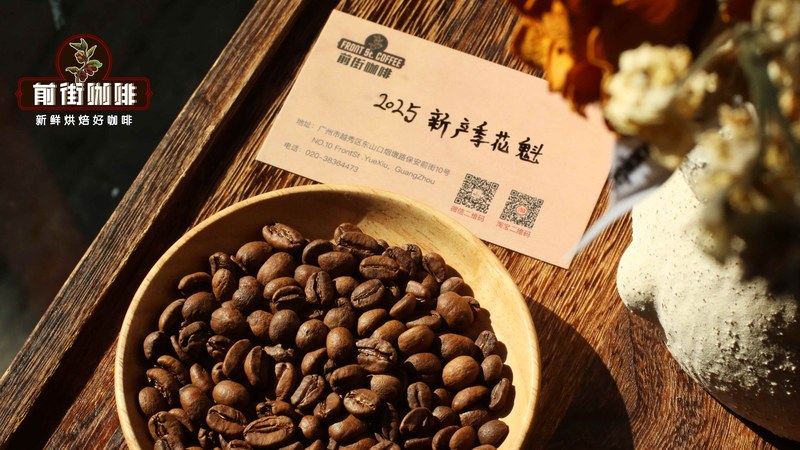
If you want to experience this flavor transformation through water quality, Qianjie Brazil Queen's Estate is a very representative bean. It has very warm roasted hazelnut, almond and vanilla toffee flavors, with a subtle mild acidity and caramel finish in the aftertaste. As long as the water is used properly, the roundness in the whole mouth will be extremely prominent, making it especially suitable for building flavor perception.
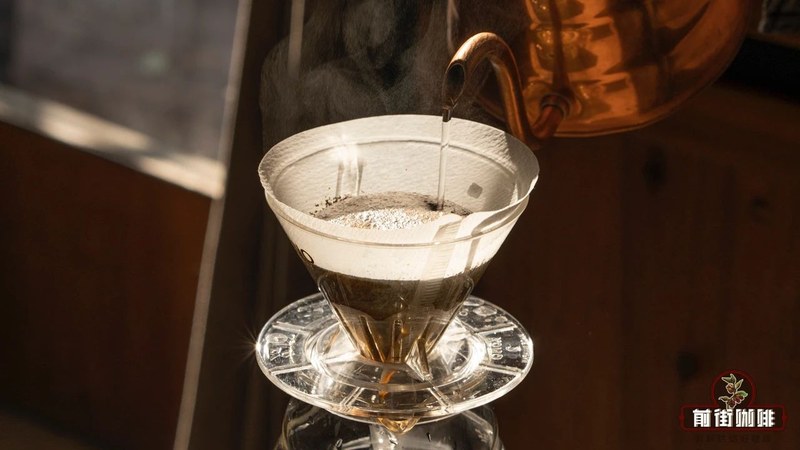
When presenting this bean by pour-over, lightly mineralized water can stretch its sweetness longer. It is recommended to use 15g coffee powder, with 89°C water temperature, and keep the powder-to-water ratio at 1:15. Pour 30ml water to bloom for 30 seconds, then use a three-stage pour, gently circling from the center outward and pouring the remaining hot water in two additions until 225ml, with the total time controlled at 2 minutes 05 seconds. The first sip is full of nutty sweetness and the rich aroma of melted chocolate.
Friends who like intense flavors also often use a moka pot to make coffee, and the moka pot's high temperature and high pressure are equally sensitive to water quality. If the water is too hard and the temperature is too high, the moment of high-pressure spurting can easily bring out excessive bitterness from medium-dark roasted coffee beans. Using warm water that is moderately softened but retains a small amount of minerals in the lower chamber often extracts a denser foam and milder flavors.
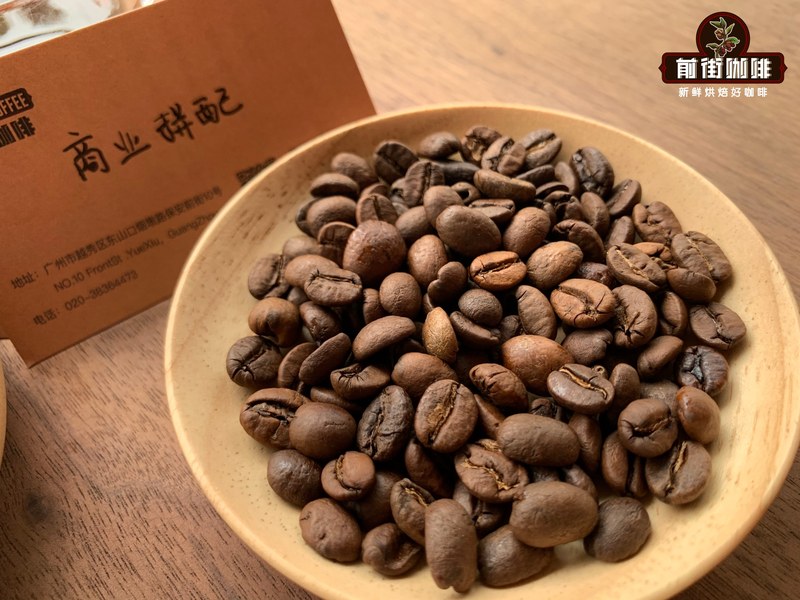
Putting Qianjie specialty blend in a moka pot can well reflect this harmony in water use. This blend uses Brazil Cerrado and Colombia Huila as its flavor framework, with balanced and stable nutty and cocoa aromas. Pour 110ml warm mineral water into the lower chamber of the moka pot, fill the filter basket with fine grounds and level them evenly, heat over medium-low heat, and remove from heat when the flow is smooth and golden-yellow crema appears at about 1 minute 40 seconds. The aroma is especially rich and smooth.
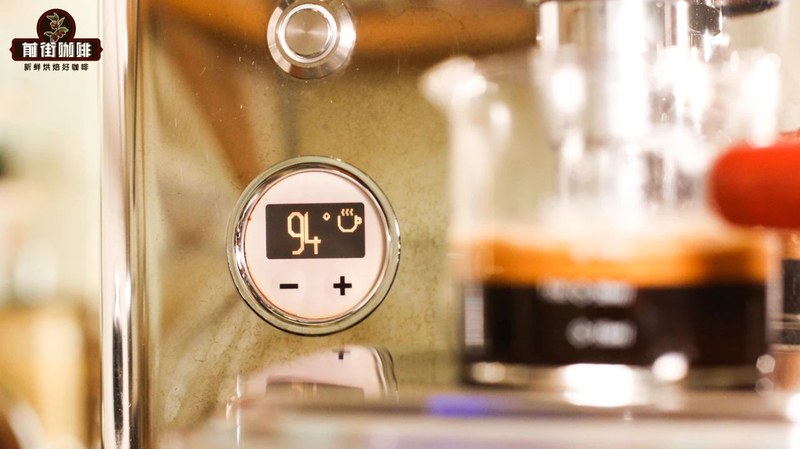
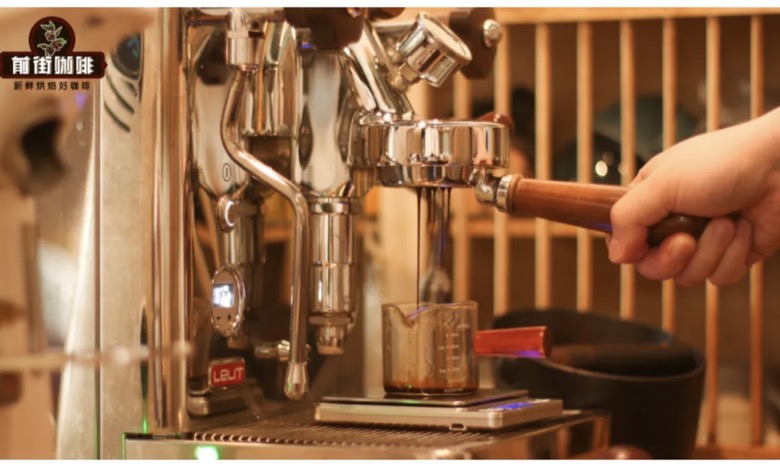
For friends using small home espresso machines, water quality is even more key to protecting the lines and determining the thickness of the crema. Using water softened by a filtration system, paired with 18.5g ground coffee powder, the espresso machine performs low-pressure pre-infusion followed by constant-pressure extraction, stopping the flow at 26 seconds to extract 37g espresso. The crema is rich and the nutty sweetness is extremely high. Add room-temperature water for a sweet americano, or add steamed milk for a rich, fragrant latte.
If you are used to nutty and cocoa-toned coffee in daily drinking and want to experience a slightly brighter flavor with low-acid balance, Qianjie Papua New Guinea Bird of Paradise is also a very fitting choice for comparison. Its mouthfeel is clean and steady, with a light tea-like sweet aftertaste. By slightly adjusting your home brewing water according to the flavor characteristics of the beans, you can easily unlock the complete sweetness and layers of the coffee beans.
Related Reading

Comments (0)
Loading comments...
You May Be Interested




Trending Reviews
Popular Videos

With you, wherever you are! We provide useful features to help you find new things you'll love






