Source:Best Coffee > News Author:qjroot Published:2026-08-15 15:19:37
Coffee beans are coffee beans, so why do Ethiopian beans generally carry floral and fruity notes, while some regions lean toward nutty and chocolatey tones?
The answer lies in "terroir" - the region's altitude, soil, climate, variety and processing method together determine the coffee's underlying character. Today we'll use three representative Ethiopian beans to explain this thoroughly.
Ethiopia is the original birthplace of Arabica. In the Kafa primitive forests of the southwest, there are as many as more than 5,000 wild Arabica genetic mother trees - and what does that mean? Most commercially grown coffee varieties around the world have far less rich genetic origins than here.
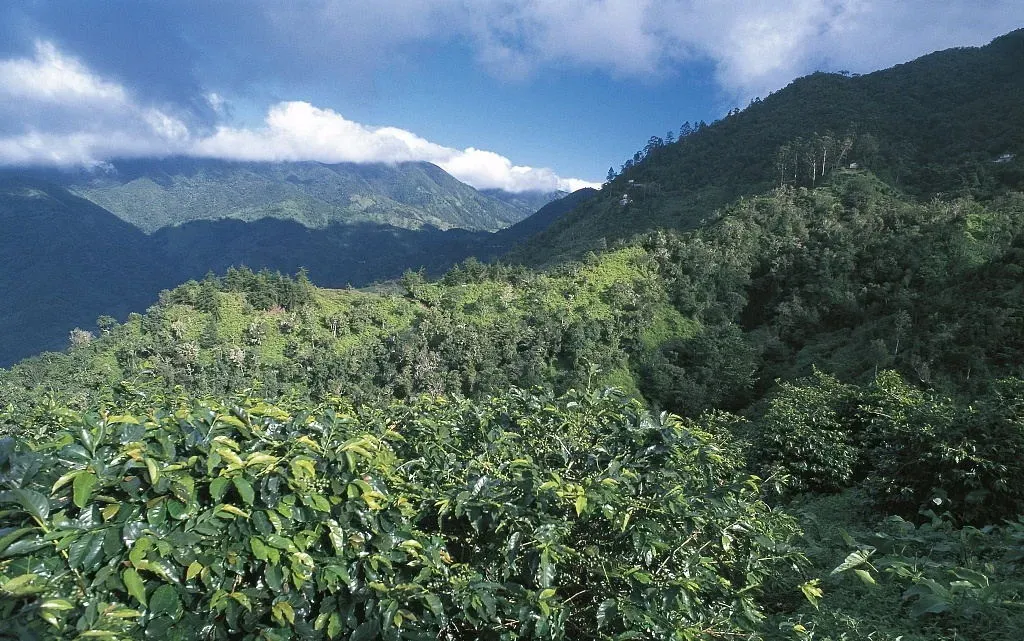
High altitude (generally 1,400-2,200 m), volcanic soil, cloud and mist shade, and distinct dry and wet seasons - when these conditions combine, Ethiopian beans generally accumulate abundant floral compounds and fruit acid precursors, so when brewed they naturally carry floral and fruity notes.
Yirgacheffe Gudingding: a representative of refined small-region production
The Yirgacheffe region is known for citrus, berries and floral notes, and this Gudingding bean expresses that "fresh-style" character very typically: soft and bright acidity, with a green tea-like sweetness in the finish. It is the first stop for many people entering specialty coffee, and also a model for understanding "Ethiopian cleanliness."
Hua Kui: a sample of processing method amplifying terroir
The reason Hua Kui's tropical fruit aromas - strawberry, passion fruit, jackfruit, lychee - are so intense is the result of the region's terroir and the natural processing method bringing out the best in each other. The sweetness is obvious, the bitterness is low, and the juicy mouthfeel is full, making it truly a "magnifying glass for terroir."
Kafa Forest: the original taste of a wild gene pool
Produced in a high-altitude forest area at 1,800 m and made from a blend of multiple native strains, Kafa Forest shows a more "primitive" Ethiopian flavor: the fruit aromas of orange and ripe apricot, bright and clean acidity, a melon-and-fruit sweetness that rises after the finish, and an oolong tea-like aftertaste at the end. Drinking it is drinking the taste of Arabica's origin.
Buy beans by region: if you want floral and fruity notes, look first to Ethiopia and Kenya; if you want nutty and chocolatey tones, look to Brazil and Indonesia;
Look at altitude: within the same region, the higher the altitude, the usually brighter the acidity and the more delicate the flavor;
Drink them in comparison: buying two or three beans from different regions at once for a side-by-side comparison is the fastest way to build your own flavor coordinate system.
Floral and fruity notes are not marketing talk; they are the genes terroir writes into the beans. The clarity of Yirgacheffe, the intensity of Hua Kui, and the wildness of Kafa Forest - each of these three expressions has its own fans. Next time you buy Ethiopian beans, you might as well feel them through this framework - you will drink your way into a new world.
Related Reading








Comments (0)
Loading comments...
You May Be Interested




Trending Reviews
Popular Videos

With you, wherever you are! We provide useful features to help you find new things you'll love






