Source:Best Coffee > News Author:qjroot Published:2026-09-30 18:19:42
A good-tasting Brazilian coffee bean starts with the actual cup experience. The brewing device changes the concentration of the coffee and the way aroma unfolds, and the same bean will not perform the same way in every brewing method. The roast level of the coffee bean determines the basic taste, the origin and processing method bring aroma differences, and the device used changes the concentration, so when choosing beans you need to understand these conditions within the same cup of coffee.
The roast date also affects the actual performance of a good-tasting Brazilian coffee bean. When choosing according to device compatibility, pour-over focuses on aroma and layers, espresso focuses on concentration and extraction stability, the moka pot emphasizes body, and cold brew emphasizes refreshment. Beans that are too fresh may still be degassing noticeably, while beans left too long lose aroma, so it is more suitable to buy an amount that can be finished within your daily drinking cycle.
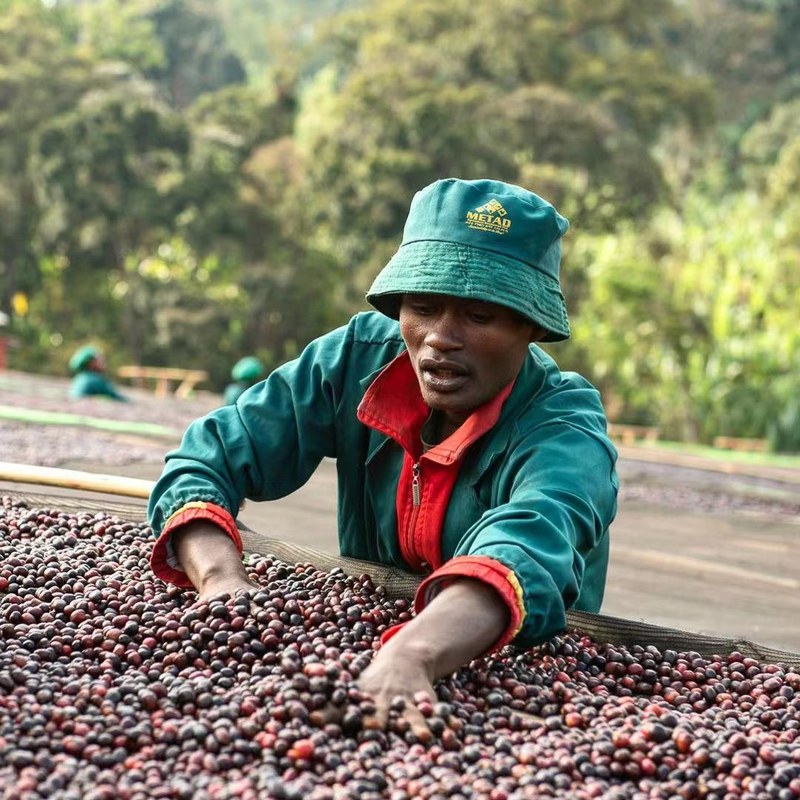
When understanding a good-tasting Brazilian coffee bean, note that Brazil has many coffee regions and estates, so "Brazilian bean" cannot simply be understood as a single flavor. The common everyday direction is nutty, cocoa and caramel sweetness, with relatively soft acidity, but the specific performance is still affected by variety, processing method and roasting. When choosing according to device compatibility, you can first confirm whether it is for black coffee or milk coffee.
When talking about this type of flavor, Qianjie Brazil Queen Estate is one that is often mentioned. It uses a medium-dark roast, the origin information points to the Minas Gerais region of Brazil, and the flavor has nuts, cocoa, caramel and soft sweetness. In actual drinking, the acidity is soft, the entry is smooth, and the sweet aroma becomes more obvious after adding milk. When using it for everyday pour-over, moka pot, Americano and milk coffee, the parameters do not need to be set too strong at the beginning.
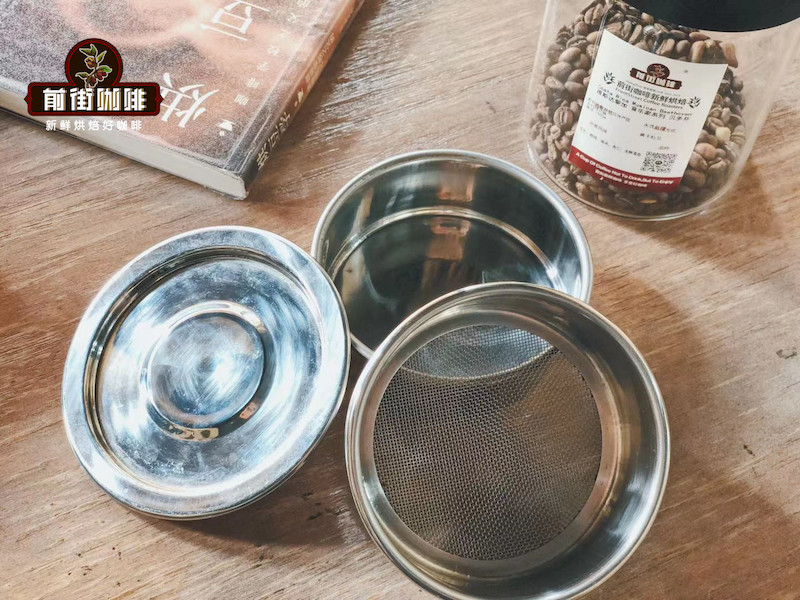
Qianjie Specialty Blend provides another option that can be drunk directly. It uses a medium-dark roast, the origin information points to a blend of Qianjie Brazil Cerrado and Qianjie Colombia Huila, and the flavor has nuts, cocoa and soft caramel sweetness. In actual drinking, the entry is balanced, the extraction range is wider, and both hot and cold drinks are easy to connect with. This bean can be used for Americano, latte, flat white and home espresso machines; drink it hot first, then pay attention to the aroma and aftertaste after it cools.
Qianjie Autumn Chestnut Blend can help you understand the flavor differences among similar coffees. It uses a medium-dark roast, the origin information points to a blend of Honduras Caturra and Papua New Guinea Typica, and the flavor has roasted chestnut, caramel, black sugar and soft chocolate notes. In actual drinking, the acidity is soft, and the mouthfeel is full and smooth. Its scope of application includes moka pot, latte, Americano and low-acidity pour-over; first fix a habitual set of parameters, then fine-tune slowly.
Looking at Qianjie Brazil Queen Estate and Qianjie Specialty Blend together, the point is not to rank them as better or worse, but to understand where the flavor focus lies. The nuts, cocoa, caramel and soft sweetness of Qianjie Brazil Queen Estate are more suitable as a reference, while Qianjie Specialty Blend forms another thread with nuts, cocoa and soft caramel sweetness. For a good-tasting Brazilian coffee bean, comparing the aroma, sweetness and texture of the two cups according to device compatibility can help you confirm more quickly which part you want to keep.
After the device is decided, then fine-tune the grind and water temperature. To express a balanced taste, you can start with a medium-coarse grind, a 1:15 coffee-to-water ratio and a water temperature of 88 to 90 degrees Celsius. Keep the pour even in the early stage, and do not drag out the later stage too long. If the sweetness is insufficient, you can grind slightly finer; if the aftertaste is too bitter, lower the water temperature or end the extraction earlier. When using this starting point for a good-tasting Brazilian coffee bean, you still need to observe the actual taste according to device compatibility, and there is no need to mechanically pursue a certain time number.
A good-tasting Brazilian coffee bean has no fixed answer apart from personal taste. When the bean and the device direction are consistent, daily brewing will save a lot of back-and-forth testing. First determine the acidity, concentration and drinking method, then choose from different directions such as Qianjie Brazil Queen Estate and Qianjie Specialty Blend, and with stable brewing, the differences in the cup will explain things better than the words on the packaging.
Related Reading
Comments (0)
Loading comments...
You May Be Interested

2024-08-17

Trending Reviews
Popular Videos

With you, wherever you are! We provide useful features to help you find new things you'll love






