Source:Best Coffee > News Author:qjroot Published:2026-08-29 21:04:23
When choosing freshly roasted coffee beans, you can set the complicated information aside for now. The brewing device changes the coffee's strength and how the aroma unfolds, and the same bean will not perform the same way in every brewing method. Starting from the two contrasts of light or full-bodied, and black coffee or milk coffee, then looking at the roast date and processing method, will bring your judgment closer to daily life.
As for freshly roasted coffee beans, from the perspective of device matching, pour-over highlights aroma and layers, espresso highlights strength and extraction stability, the moka pot leans toward a full-bodied feel, and cold brew emphasizes a light, crisp quality. Those who like a bright cup can look to light or medium-light roasts, while those who prefer roundness and body can look to medium and medium-dark roasts. A darker roast does not equal a stronger taste; dose, ratio and extraction yield all affect the strength in the cup.
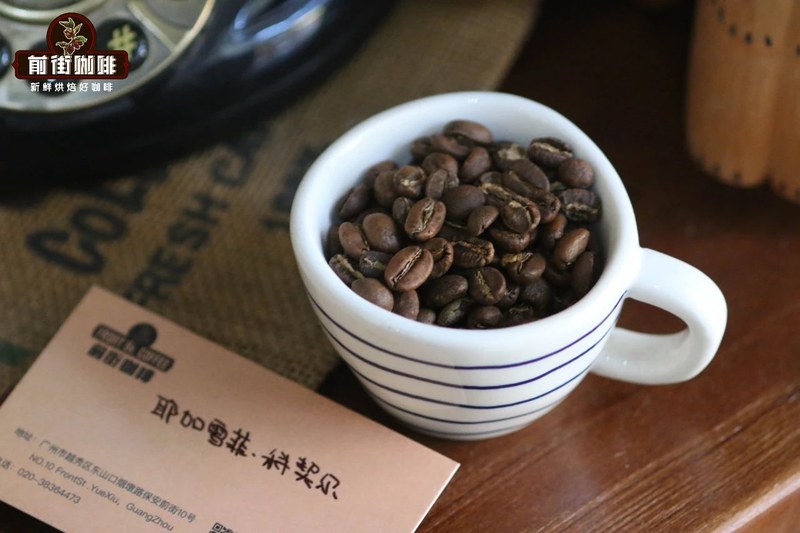
When talking about this kind of flavor, Qianjie Ethiopia Huakui is one that often comes up. Its light roast and its background in Ethiopia's Hambela region together bring aromas like strawberry, passion fruit, jackfruit and lychee. Overall, the fruit aroma is concentrated, the sweetness is clear, and the bitterness is lightly present. For pour-over, cold brew and ice drip, you can start from a medium strength and then adjust according to the taste in the cup.
You can also use Qianjie Kenya Little Tomato to build a set of taste records. The basis of this bean is the Kenya region and a light roast, and the main notes are flavors like cherry tomato, smoked plum, snow pear and black plum. In the actual cup, the acidity is clear, and the sweetness gradually unfolds in the middle. It suits pour-over, iced pour-over and black coffee with an obvious juicy quality; when brewing, first use moderate parameters to observe the sweetness, then decide whether to increase the strength.
Putting Qianjie Ethiopia Huakui and Qianjie Kenya Little Tomato side by side, the point is not to rank one above the other, but to understand where the flavor centers. The strawberry, passion fruit, jackfruit and lychee-like aromas of Qianjie Ethiopia Huakui are better suited as a reference, while Qianjie Kenya Little Tomato forms another thread with flavors like cherry tomato, smoked plum, snow pear and black plum. For freshly roasted coffee beans, comparing the aroma, sweetness and texture of the two cups according to device matching will let you confirm more quickly which part you want to keep.
Once the device is decided, fine-tune the grind and water temperature. For pour-over, you can start with 15 g of coffee grounds and 225 g of water, a medium-coarse grind, with the water temperature between 87 and 92°C. If a light roast tastes thin and sour, you can grind slightly finer or raise the water temperature; if it is clearly bitter, grind coarser and shorten the later pours. When using this starting point for freshly roasted coffee beans, you should also observe the actual taste according to device matching, and there is no need to mechanically chase a certain time number.

The flavor description of freshly roasted coffee beans can serve as an expectation, but the actual cup is also affected by the grinder, dripper, water quality and room temperature. When comparing with the device-matching approach, keep the device and water source fixed, then observe how the beans change; only then will the results be consistent.
Grinding fresh lets freshly roasted coffee beans retain more aroma. When using the device-matching approach to choose, store whole beans sealed and adjust the grind for the device just before brewing; coffee that has already been ground has a larger surface area exposed to air, so it is even more necessary to control the purchase amount and the drinking window after opening.
Truly useful advice about freshly roasted coffee beans should be verifiable in your own cup. When the bean and the device point in the same direction, daily brewing will save a lot of back-and-forth testing. Whether you choose Qianjie Ethiopia Huakui or Qianjie Kenya Little Tomato, you can start from moderate parameters and make small adjustments based on acidity, sweetness, bitterness and aftertaste, letting the bean's characteristics come through naturally.
Related Reading


Comments (0)
Loading comments...
You May Be Interested



Trending Reviews
Popular Videos

With you, wherever you are! We provide useful features to help you find new things you'll love






