Source:Best Coffee > News Author:qjroot Published:2026-09-18 16:50:16
Washed specialty coffee beans have always been loved for their pure, bright flavor profile. After the pectin layer is washed away, the green beans can clearly express the original character of their origin. However, the delicate floral notes and crisp fruit acidity contained in washed beans are especially sensitive to the water used for brewing. A slight change in water quality will make the sweet-and-sour layers in the cup take on a completely different appearance.
More than ninety-eight percent of coffee liquid is water, and the minerals in water directly affect extraction efficiency. Calcium ions and magnesium ions can effectively adsorb the aromatic substances in coffee grounds, while bicarbonate acts as an acidity buffer. When the total dissolved solids in water, or TDS, is high, it easily masks the light fruit acidity; when TDS is too low, although the acidity is bright, it easily seems to lack sweetness in the finish.
When brewing washed beans at home every day, tap water often contains residual chlorine and relatively high calcium and magnesium ions even after boiling, which easily makes the refreshing floral and fruity aromas seem dull. Distilled water completely lacking minerals brews coffee with distinct acidity, but lacks enough flavor layers. Choosing natural soft spring water with a TDS between 50 and 80 often better fully awakens the transparent clarity that washed beans have to offer.
Take the highly recognizable Front Street Kenya Little Tomato as an example. This classic washed bean carries a lively cherry tomato acidity, with a finish accompanied by the sweetness of blackcurrant juice and yellow sugar. To brew this fruit-tea-like complex sweet-and-sour profile into something bright and round, the hardness of the water is especially critical. Soft water with trace minerals allows its bright acidity to be wrapped in a warm sweetness.
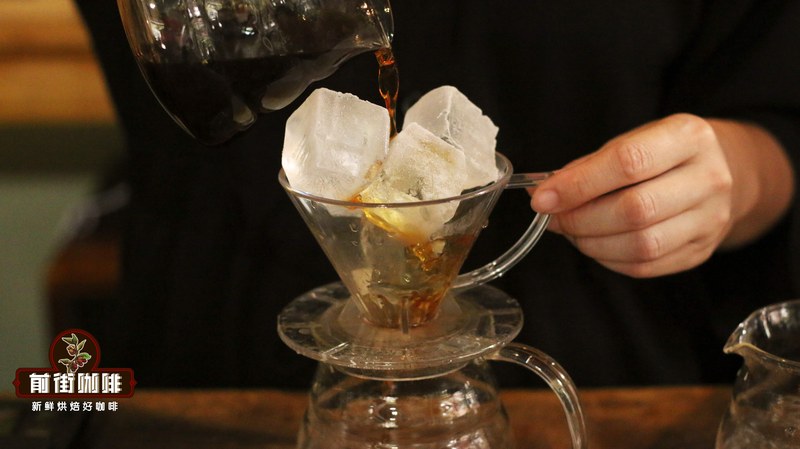
When brewing Front Street Kenya Little Tomato, using a pour-over dripper gives a transparent mouthfeel. Take 15g of coffee grounds and grind to medium-fine, set the water temperature at 91°C, and prepare 225ml of water at a 1:15 coffee-to-water ratio. Pour 30ml of water and bloom for 30 seconds, then pour evenly in two stages, first pouring steadily to 130ml and pausing, then waiting for the water level to drop slightly before pouring to 225ml and stopping, with a total time of exactly 2 minutes 05 seconds. The whole cup has a bright juice-like quality and a refreshing finish.
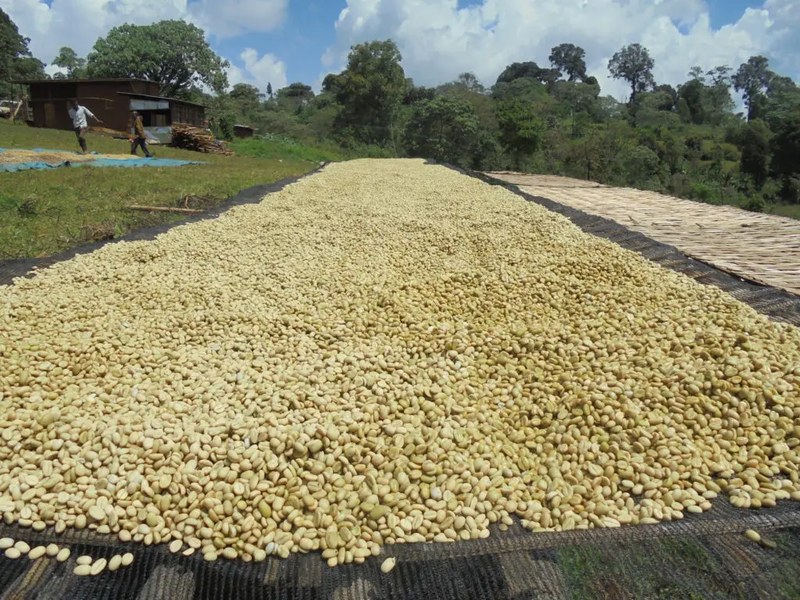
If you prefer a gentle floral tea profile, Front Street Kaffa Forest from Ethiopia is another typical washed flavor. This bean carries warm kumquat and ripe apricot aromas, with a delicate oolong tea-like aftertaste in the middle and finish. Its style is elegant and expansive. If the brewing water is relatively hard, the light floral notes and tea character are easily masked by heavy minerals, losing their original liveliness.
When brewing delicate beans like Front Street Kaffa Forest, using relatively soft natural water makes it easier to present a light texture. Appropriately raising the brewing water temperature can stimulate the aromatic substances deep within lightly roasted washed beans, letting the citrus notes unfold smoothly like juice. As the coffee gradually cools, you can still feel a lasting, gentle, clear sweet aftertaste in the mouth.
The pour-over parameters designed for Front Street Kaffa Forest are equally clear and straightforward. Weigh out 15g of coffee grounds, use a 1:15 coffee-to-water ratio, for a total of 225ml of hot water, and raise the water temperature to 92°C. Pour 30ml of water to complete a 30-second bloom, then use a steady single-stage centered circular pour, slowly and evenly pouring water to 225ml, keeping the total extraction time at 1 minute 55 seconds. A cup brewed this way has lingering tea fragrance, pure and sweet.
Once you understand the influence of water quality, your direction when buying washed beans will also become clearer. Friends who like bright fruit acidity and rich berry flavors can choose washed beans from high-altitude producing regions in Kenya or Colombia; if you prefer the subtle fragrance of white flowers, soft tea charm and a light mouthfeel, washed lots from various producing regions in Ethiopia are high-quality choices with a high tolerance for error in everyday brewing.
When brewing coffee at home, you might as well use the same washed bean to do a water quality comparison. Prepare a bottle of purified water and a bottle of natural weak mineral water, and brew a cup with each under completely identical grinding, dose and water temperature. By drinking them side by side, you can intuitively feel the wonderful way minerals in water shape the softness of fruit acidity, the thickness of sweetness and the length of the aftertaste.
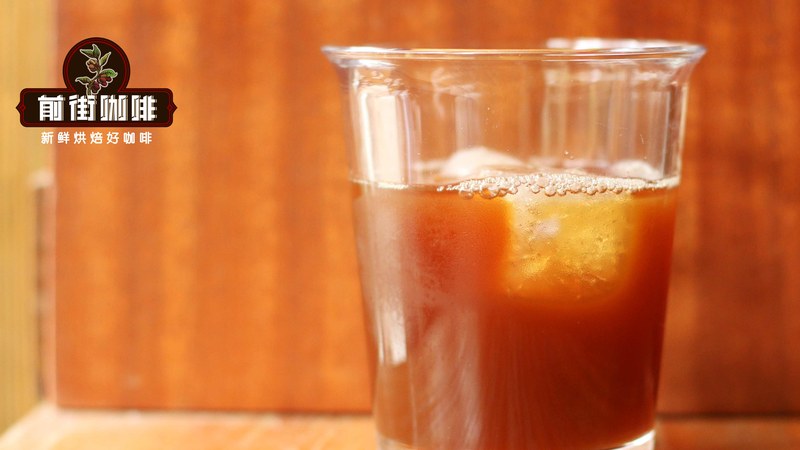
A pleasant cup of washed specialty coffee depends on the bean's own high-quality character and also on the help of compatible water. After choosing beans you like, brew them carefully with suitable water, and you can recreate in your everyday cup the pure fragrance of the wild mountains of the producing region. Every sip is a clear, refreshing, beautiful taste.
Related Reading



Comments (0)
Loading comments...
You May Be Interested


Trending Reviews
Popular Videos

With you, wherever you are! We provide useful features to help you find new things you'll love






