Source:Best Coffee > News Author:qjroot Published:2025-03-18 17:11:02
As the coffee industry keeps evolving, coffee processing methods emerge one after another, but the most common ones on the market today are still the three processing methods: washed, natural and honey. When honey processing is mentioned, everyone thinks of Costa Rica, simply because the name "honey process" was first spread from Costa Rica.
Costa Rica is a Central American country and the first country in Central America to start growing coffee for commercial value. Costa Rica is rich in natural resources, with high-altitude mountain areas, volcanic soil, ample sunlight and appropriate rainfall, making it very suitable for coffee cultivation. The coffee beans produced in the country were once called "golden beans" by the British aristocracy.
Therefore, the country has quite a few well-known coffee estates, such as Finca Las Piedra, Volcan Azul, and others. In addition, in recent years quite a few coffee estates in Costa Rica have also begun to stand out, such as El Cedro.
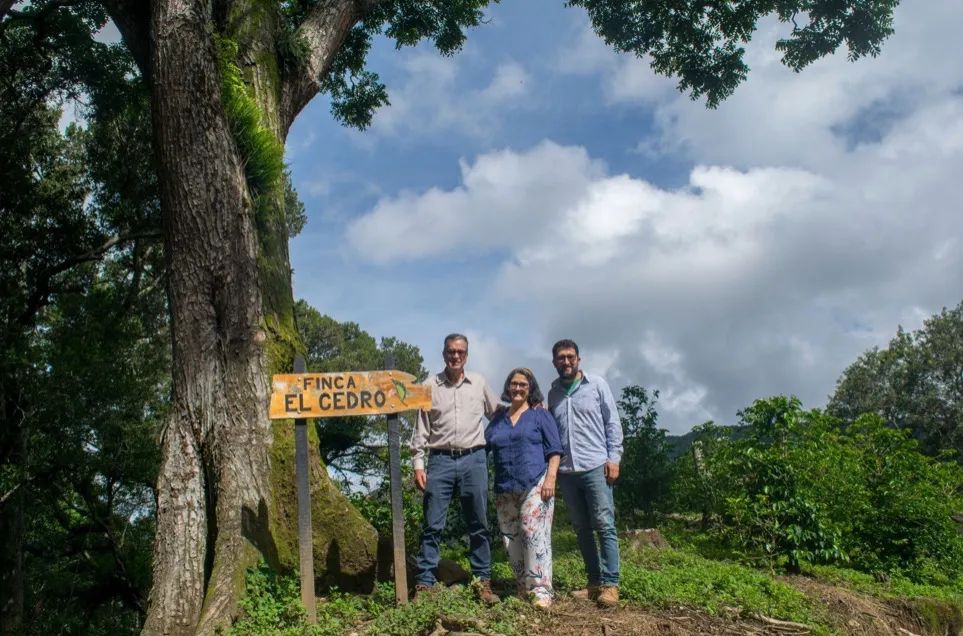
The owner of El Cedro estate is Johel Monge Naranjo. Nine years ago, this estate owner, together with his son Matias, established the company and processing plant Hacienda San Isidro Labrador. It is currently a family business, and El Cedro is one of the coffee estates under it; they are all located in the well-known Tarrazu region of Costa Rica.
Costa Rica is traversed through its center by the Cordillera mountains, which separate the regions on the east and west sides. The Cordillera mountains are the longest fold mountain system in the world, composed of a series of parallel mountain ranges, intermontane plateaus and basins, with numerous volcanoes, and they are an important part of the Pacific Ring of Fire. Therefore, this mountain system makes Costa Rica very rich in natural resources, and the 7 coffee-producing regions of Costa Rica are all respectively located in the central mountain range of the country.
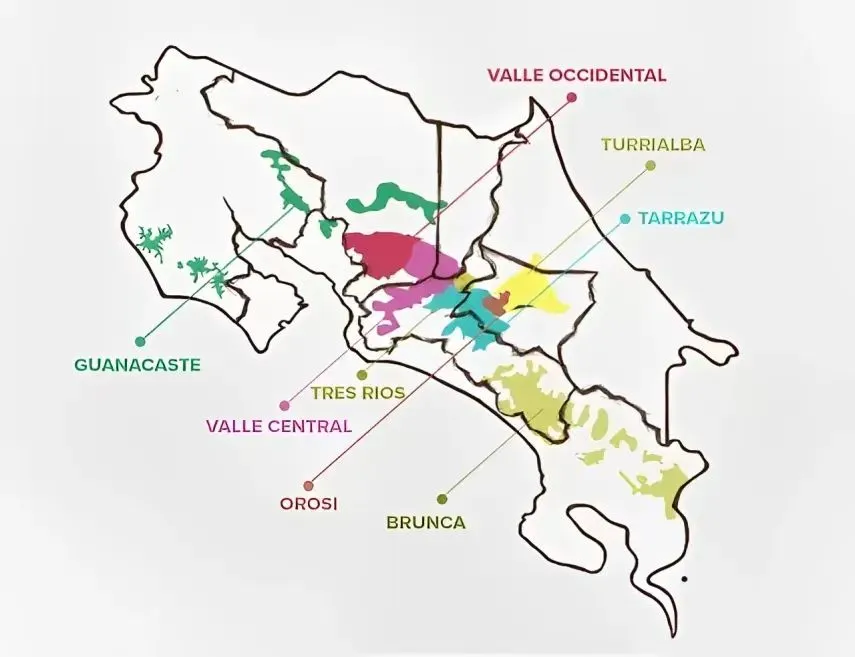
The largest and most well-known coffee-producing region in Costa Rica is Tarrazu. Located in a volcanic area, this region has a humid climate and volcanic rock soil, abundant rainfall throughout the year, surrounding mountain ranges and national parks, and dense forests that provide natural shade, all of which can be said to offer an exceptionally favorable growing environment for coffee.
Tarrazu is located in the southeast of the country's capital province, San Jose, and has a long history of coffee cultivation, including areas such as the town of Tarrazu and the town of Dota. The Costa Rican government attaches great importance to the coffee industry in this region, and in 2019 the Costa Rican government registered the coffee designation of origin "Cafe de Tarrazu" with the European Union and the World Intellectual Property Organization (WIPO). FrontStreet Coffee's daily-drinker bean series also includes this well-known region. This entry-level selected Tarrazu coffee bean uses the Catuai and Caturra varieties, a washed processing method, and SHB grade; after brewing it has slight fruit acidity, with sweet orange, nut and honey flavors, and a smooth sweet finish.

El Cedro Estate is located in the Tarrazu region, in the mountains near the town of Dota, at an altitude of 1950 m. The higher altitude and the variation between day and night temperatures allow the coffee to grow over a longer cycle and develop richer flavors. It is also close to the famous Los Quetzales National Park (Parque Nacional Los Quetzales), a birdwatching destination shaped by different microclimates and high-altitude cloud forests, and home to many rivers. El Cedro Estate is likewise influenced by this environment and produces high-quality coffee beans.
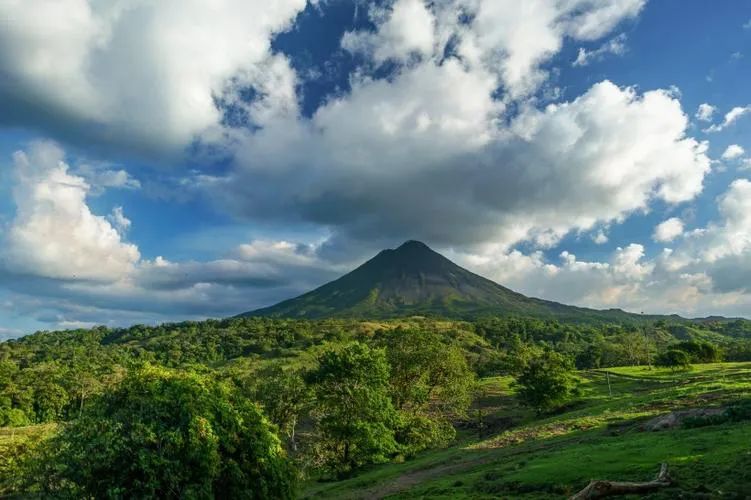
In addition, El Cedro Estate has always focused on growing and producing specialty coffee and attaches great importance to coffee quality, strict technical management and ensuring coffee traceability, and mainly grows the Geisha variety. As a result, El Cedro Estate has taken part in the Costa Rica Cup of Excellence (COE) competition many times, repeatedly ranking in the top ten, and won first place in the Cup of Excellence (COE) in 2017, 2019 and 2023.
Moreover, El Cedro Estate has repeatedly earned its placings with honey processing, which shows the importance of honey processing to El Cedro Estate and to the Costa Rican coffee industry. Originally, Costa Rica was mostly high mountains and mountainous terrain; although rainfall was abundant, storing water was difficult, and it was also hard to support water-intensive washed processing. Nor could it rely on the longer sunlight hours that African countries have, and sun-dried processing also carried greater risk. So it borrowed from Brazil's pulped natural method, in which the fruit skin is first removed, the beans are rinsed with water for 1 hour, and then spread out to dry in the sun. Costa Rica adapted this to its own conditions, and it later evolved into honey processing.
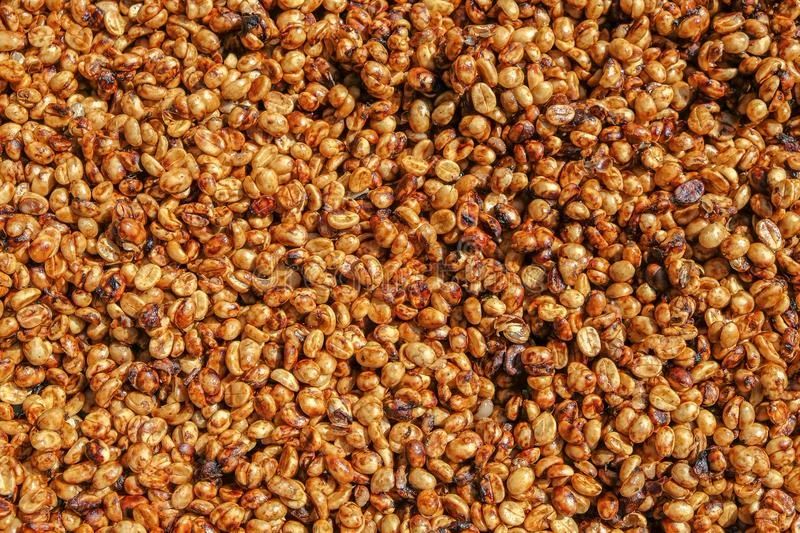
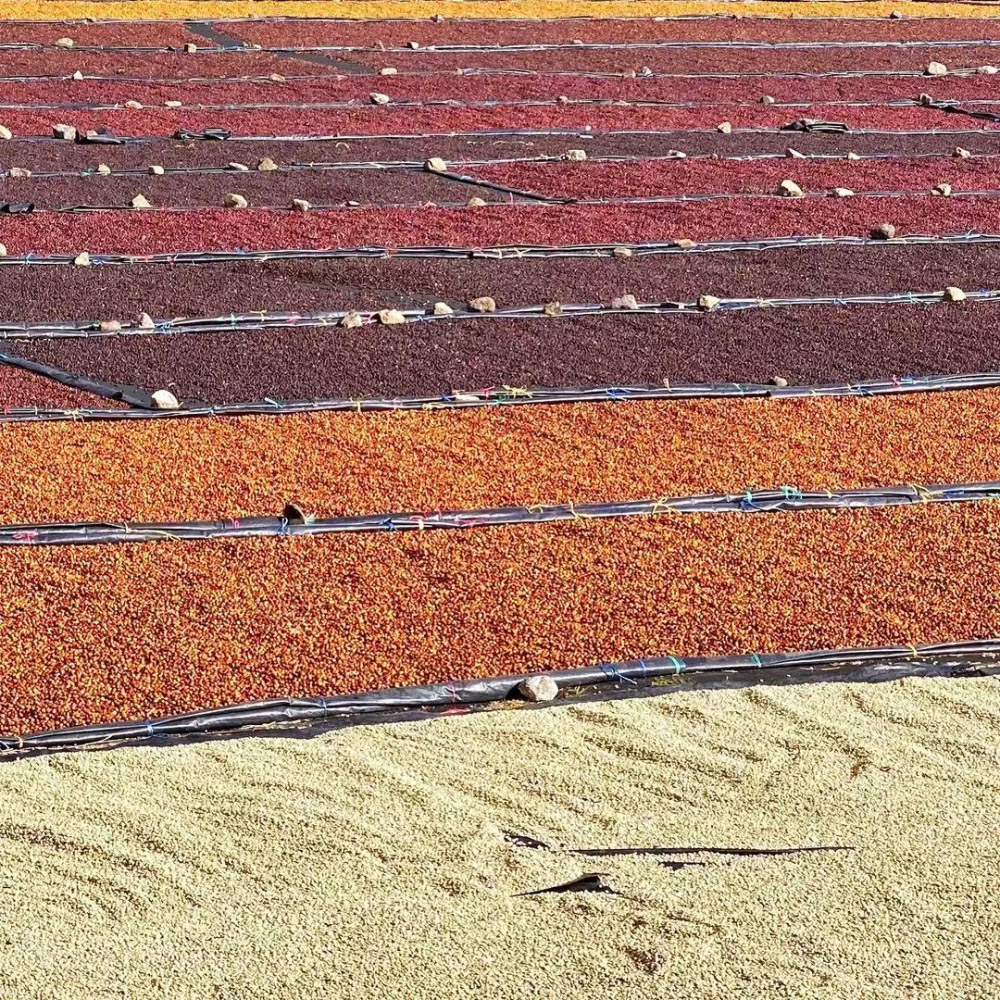
In the improved honey processing method, the skin and part of the mucilage of the coffee cherry are first stripped off, using a depulper to ensure high precision. The thinness of the mucilage is precisely controlled, then, without touching water, the beans are spread flat on raised drying beds to dry. The subdivided black honey, red honey, yellow honey and white honey correspond to the different colors produced by the differing degrees to which the mucilage is retained.
Related Reading






Comments (0)
Loading comments...
You May Be Interested




Trending Reviews
Popular Videos

With you, wherever you are! We provide useful features to help you find new things you'll love






