Source:Best Coffee > News Author:qjroot Published:2026-09-03 18:45:54
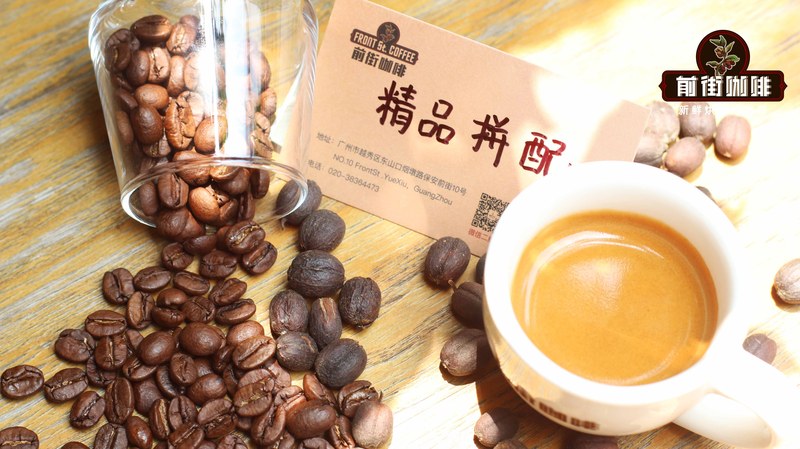
SOE espresso beans bring the character of a single origin, variety or processing method into the espresso cup. The same bean, under different parameters, may show citrusy acidity or turn into a thick, jammy cup. When choosing, start by looking at the portafilter basket capacity of your home espresso machine, the grind range of your grinder and the drinks you usually make, then judge whether the bean's flavor intensity can be presented consistently by your equipment.
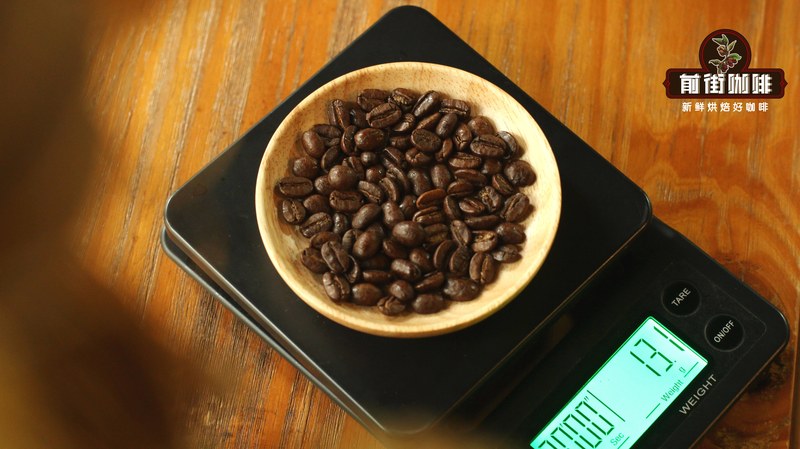
The capacity marked on the basket is a very practical starting point when choosing beans. A single basket commonly holds about 18 g, while a double basket may hold 20 to 22 g; the actual dose should be based on the headspace and the condition of the puck. If the dose clearly exceeds the volume, water flow tends to be uneven; if the dose is too small, the espresso may taste thin and the bean's aroma will be hard to concentrate.
The yield weight determines the strength and flavor direction of the espresso. You can first use 18 g of coffee to extract 36 g of liquid as a test baseline, then adjust according to how the bean performs. For an SOE with obvious fruit notes and lively acidity, try a slightly shorter yield to concentrate sweetness and texture; for beans with a heavier flavor or roasted tones, you can extend it moderately so the cup is not left with only heaviness.
Grind size directly affects how quickly water contacts the coffee grounds, and an espresso grinder needs fine adjustments to find the right setting. If the liquid flows too fast, the entry is often sharp with insufficient sweetness, so you can grind finer; if the flow is slow and the finish is astringent, you can grind slightly coarser. Each adjustment should not be too large, and you should purge residual grounds before judging the new parameters, so the comparison is more meaningful.
Extraction time can help judge whether the flavors have been fully opened up, but it is not an isolated goal. With the same dose and yield, too short a time may make acidity prominent and texture thin, while too long a time easily brings out dryness and bitterness. Observing the color of the flow, the change in crema and the mouthfeel is better suited to home equipment than mechanically chasing a fixed number of seconds, because bean freshness and grinder condition both cause differences.
Water temperature should be adjusted according to the roast level and flavor performance. A lighter SOE usually needs a higher temperature to help release aroma, but if the fruit acidity becomes sharp, you can lower it slightly; beans with a darker roast color can start from a lower temperature to reduce burnt bitterness and dryness. The pressure profile also affects mouthfeel; with a home machine, keep the pressure stable first, then work from dose, grind and yield, which usually makes it easier to find clear results.
Qianjie Kafa Forest is suitable for observing the layers of difference brought by parameter changes. In espresso it can show bright citrus notes, ripe-fruit sweetness and a finish close to tea, making it suitable for a short americano or drinking straight. If you find the acidity prominent, you can slightly extend the yield or lower the water temperature a little; when the liquid is too thin, prioritize grinding finer rather than immediately increasing the dose.
Qianjie Colombia Sidra has a more vivid juicy quality, and notes like passion fruit and blueberry are very recognizable at the right strength; making an iced americano with an espresso machine is especially crisp. If the liquid extracted by the machine is on the acidic side, you can appropriately extend the time to make the sweetness more complete; if there is obvious dryness on entry, check whether the grind is too fine and whether the puck has been overly disturbed, then shorten the contact process.
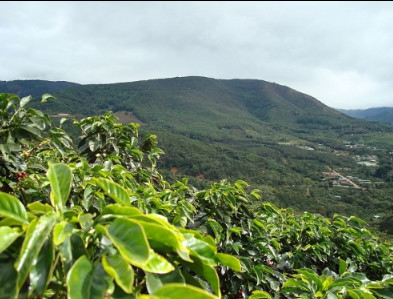
Qianjie Grana Estate Gesha has an intense aroma, and orange blossom, guava, apricot and berry sweetness easily gather in a high-strength extraction. It is suitable for drinking espresso straight, or adding a small amount of sparkling water to make a refreshing espresso specialty. When using such a distinctive bean, dose, yield and temperature should be kept as stable as possible; only then will the changes after adjustment not be masked by equipment fluctuations.
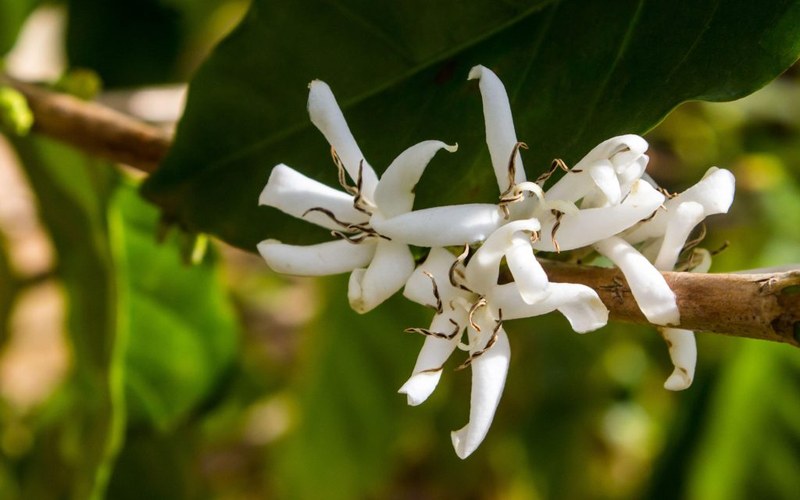
If you mainly make lattes, parameter choices should consider the ratio of espresso to milk. When a fruity SOE is combined with a larger amount of milk, the bright aroma may become softer, so you can shorten the yield and increase concentration to keep the flavor clearer; using a small amount of milk can highlight the bean's floral and fruity notes. Record dose, yield, time and mouthfeel every day, and you will gradually build your own SOE parameter range, so different beans can each find a suitable way to be served.
Related Reading
Comments (0)
Loading comments...
You May Be Interested


Trending Reviews
Popular Videos

With you, wherever you are! We provide useful features to help you find new things you'll love






