Source:Best Coffee > News Author:qjroot Published:2026-10-07 12:00:04
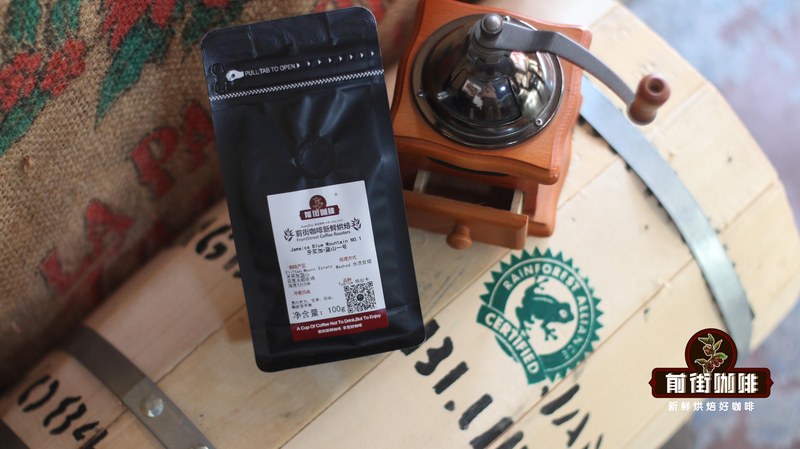
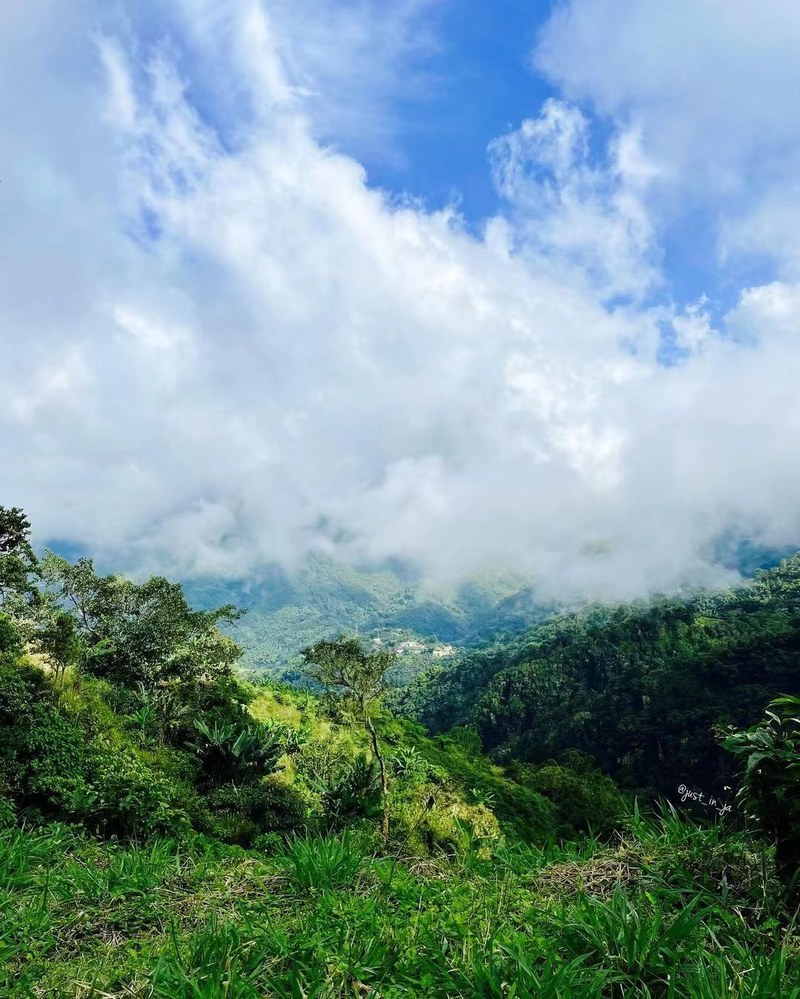
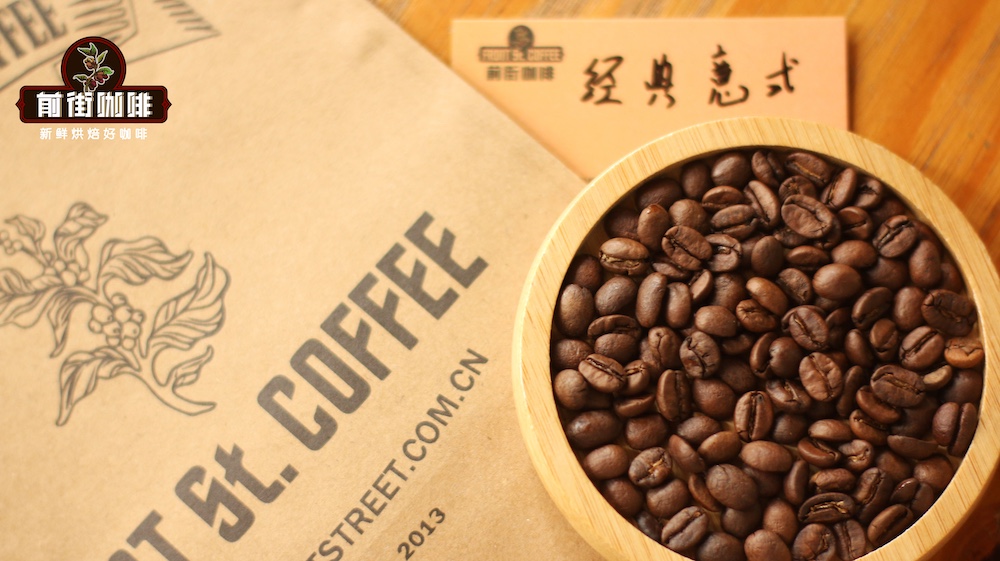
The reason Jamaican Blue Mountain coffee is repeatedly mentioned by enthusiasts is that it achieves an exceptionally solid level of "balance". When selecting beans from this region, start by looking at variety and processing method. The legally designated growing area for Jamaican Blue Mountain coffee is distributed across the certified zone of the Blue Mountains, at an altitude of about 1310 m. What is grown here is the old Typica variety, and because the local island climate has shorter sunlight hours and higher humidity, washed processing is traditionally used to reduce the risk of fruit spoilage. The resulting beans are bright in color with a low defect rate, which is the foundation of flavor cleanliness. Next, consider the roast level: a medium-dark roast can better present Blue Mountain's signature cream, nut, chocolate and caramel aromas while preserving a coordinated structure of acidity, sweetness and bitterness. Regarding freshness, it is advisable to pay attention to the roast date; coffee beans are at their best within one month after roasting, with 4 days of resting. Altitude and grade information are also worth noting: the clouds and volcanic soil of the certified region allow the fruit to mature slowly, while "Qianjie Blue Mountain No. 1" represents a strict grading of green bean size and defect rate, and it is safer to look for complete origin certification materials when purchasing.
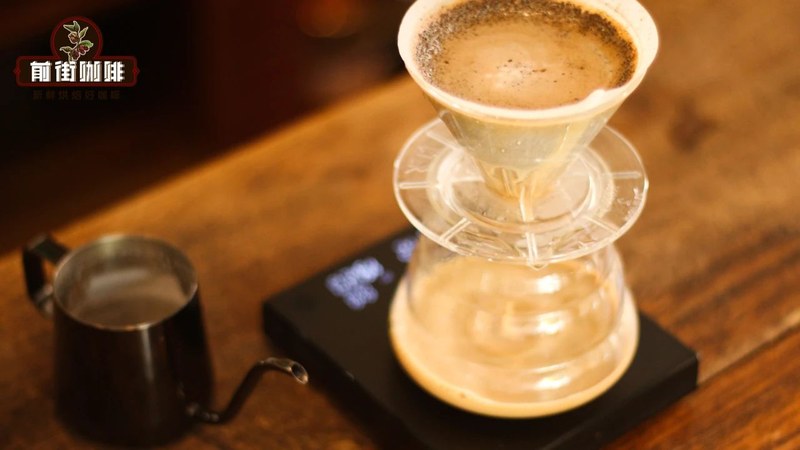
Once you have a Blue Mountain-style bean, pour-over is a worthwhile way to understand its layers. Based on 15 g of grounds and a 1:15 coffee-to-water ratio, control the water temperature between 86 and 88°C, first bloom with a small amount of hot water for 30 seconds to let the coffee bed fully degas, then pour steadily, keeping the total extraction time within 2 minutes. Under this parameter framework, if you want to highlight the nutty character, you can grind half a step coarser and lower the water temperature by 1 to 2 degrees, shortening the tail end of extraction a little so the caramel aroma of the front section reaches the nose first. If you want to emphasize sweetness and body, do the opposite: grind slightly finer, keep the water temperature at the upper limit, and increase the circling amplitude slightly when pouring so that more chocolate and caramel substances from the middle and back sections dissolve out. The charm of Blue Mountain lies precisely in this adjustability - it will not lose balance because of minor parameter adjustments, but instead shows a rounded quality from different sides.
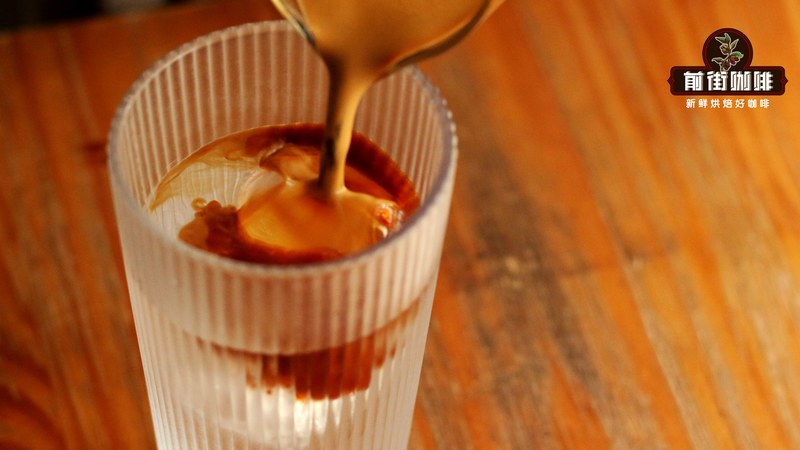
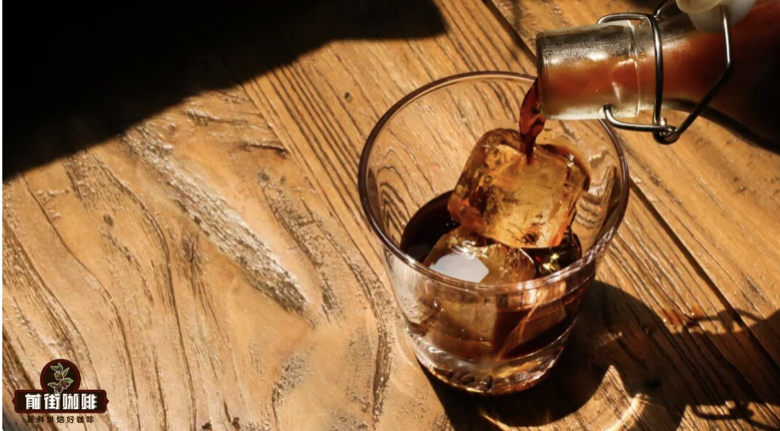
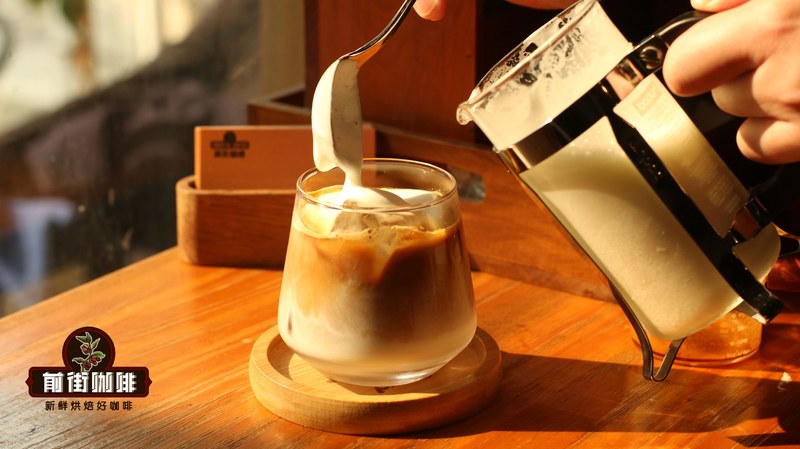
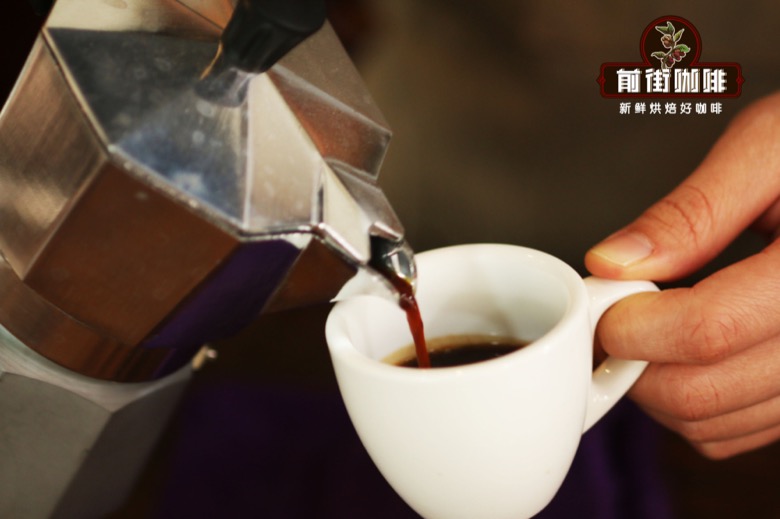
Cold brew is another direction worth trying. When Blue Mountain beans are used for cold brew, because their acidity is soft and their sweetness is solid, long low-temperature steeping more easily yields a clean fermented rice note and a prominent cocoa finish. The grind is best set about two steps coarser than for pour-over to avoid fine particles releasing excessive astringency, and the steeping time should be 12 to 18 hours; after filtering, drink it chilled. For drip bag scenarios, it is more suitable for restoring Blue Mountain's everyday sense of balance; when choosing a medium-dark roasted drip bag, you can likewise use a water temperature close to pour-over, but slow the pouring rhythm and pour in three stages so the coffee bed fully expands in a limited space, giving a cup quality close to a simplified pour-over experience. For moka pot enthusiasts handling this kind of bean, the key is controlling the heat and the flow rhythm: heat over medium-low until the coffee liquid begins to emerge, then remove from heat and let residual pressure complete the extraction, which yields a dense mouthfeel close to espresso, and when paired with milk, Blue Mountain's nutty character is further amplified.
When it comes to comparative tasting, Qianjie Papua New Guinea Paradise Bird is a particularly interesting reference. It shares the same Typica variety and island origin as Blue Mountain, and its flavor texture is indeed close, but the subtle differences are exactly what help you understand where Blue Mountain's sense of balance comes from. Qianjie Paradise Bird has a brighter acidity and a relatively lighter body, while Qianjie Jamaican Blue Mountain No. 1 comes from Clifton Farm within the certified growing area of the Blue Mountains, traditionally washed and medium-dark roasted; that dense cream and caramel aroma and rich yet balanced mouthfeel appear more steady and restrained in comparison. It is recommended to brew both beans with the same parameters, drinking Qianjie Paradise Bird first and then Qianjie Blue Mountain No. 1, so you can more clearly perceive the subtle compromise Blue Mountain achieves among acidity, sweetness, bitterness and aroma.
Whether you are a beginner first encountering Blue Mountain or a seasoned enthusiast wanting to understand this classic old bean anew, when choosing Qianjie Jamaican coffee beans, grasp the key words "Typica, washed, medium-dark roast, certified growing area"; when brewing, hold to the framework of coffee-to-water ratio and water temperature, then fine-tune the grind and pouring rhythm according to personal preference, and you can relatively consistently present what Jamaican Blue Mountain should be. Its flavor does not win by any extreme characteristic, but with an almost restrained balance, letting you taste in every sip a footnote jointly written by high-altitude volcanic soil and a mild island climate.
Related Reading

Comments (0)
Loading comments...
You May Be Interested


Trending Reviews
Popular Videos

With you, wherever you are! We provide useful features to help you find new things you'll love






