Source:Best Coffee > News Author:qjroot Published:2026-09-19 12:42:05
If you want to find a coffee partner that pairs well with your morning milk, the coffee beans on the shelf usually fall into two major camps: one is traditional blended beans labeled with the blend ratio of origins, and the other is single-estate SOE single-origin beans. After milk is added, these two types of beans present completely different flavors in the cup. Once you understand their blending logic, you can easily choose the cup that suits your taste.
The beauty of blended beans lies in making up for each other's shortcomings. Roasters select beans from two to three origins and combine them, with the goal of giving the whole cup of coffee a solid sense of structure. Milk itself contains a large amount of milk fat and lactose. If the coffee base is too thin, the milky flavor will take over; blended beans, precisely through complementary flavors, allow the coffee to retain a clear and deep aroma even when wrapped in rich milk.
Understanding the formula ratio of blended beans is actually quite interesting. If you see about 60% Brazilian natural beans in the formula, it usually means this bag of beans focuses on nuts and abundant oils; adding 30% to 40% Colombian washed beans is responsible for providing a brown-sugar-like sweetness in the finish and a fine, sticky body. Coffee beans blended in this ratio will show a rich caramel-cocoa tone on the palate whether mixed with hot milk or made into an iced latte.
When extracting blended beans for milk coffee, use a double basket on an espresso machine, fill it with 18.5g of extra-fine coffee grounds, level and tamp them, then extract at constant pressure, taking 37g of dark espresso at 26 seconds. At this point, a dense layer of reddish-brown crema will float on the surface of the coffee liquid. When combined with fine milk foam whipped to around 60°C, the whole cup of milk coffee will have a velvety touch like melted chocolate, very suitable for breakfast.
The single-origin SOE route is another completely different kind of fun. SOE is espresso made with single-origin beans. Its goal is not to pursue a safe, moderate flavor, but to bring the fruit and floral personality of a specific origin and a specific variety directly into milk. The milk coffee made with it will not be a monotonous rich roasted aroma, but more like a cup of fruit-flavored milk drink with rich layers.
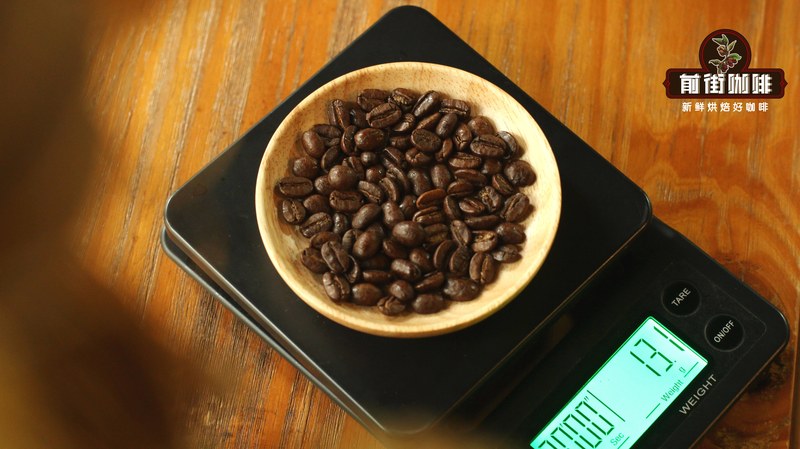
If you like a fresh and vivid profile, Qianjie Colombia Pink Bourbon is a single-origin bean that is very impressive as SOE. This bean itself has an extremely abundant juicy feel of passion fruit, blueberry, ripe grape and apricot. When these bright and lively fruit notes melt into low-temperature milk, the high fruit acidity that might otherwise make people frown is gently embraced by lactose and transformed into a sweet, moist enjoyment like blueberry fruit custard.

When using Qianjie Colombia Pink Bourbon to make an iced espresso milk coffee, the grind size can be adjusted half a step finer than for blended beans. Fill the espresso portafilter with 19g of grounds, first use low pressure to pre-infuse and saturate the puck, then switch to constant-pressure extraction, stopping at 27 seconds to obtain 38g of coffee liquid. Pour the freshly extracted warm espresso directly onto the surface of chilled whole milk. The first sip brings the fragrance of dark berries, followed immediately by a clear, sweet, smooth fruit-milk sensation.
If you prefer the light texture of pour-over, you can also try the refreshing way of pairing single-origin beans with milk. Qianjie Yirgacheffe Gudingding has the fresh fragrance of citrus, juicy berries and small white flowers, with a finish that also carries a green-tea-like sweetness. This bean can be enjoyed slowly as pure black coffee, and is also very suitable for making a concentrated pour-over and then adding a small amount of oat milk or fresh milk. It tastes as pleasant as a floral-fruity milk tea.
When brewing Qianjie Yirgacheffe Gudingding, the grind size is recommended to be medium-fine, with particles about the size of granulated sugar. Prepare 90°C hot water, weigh 15g of coffee grounds, and use a three-pour method: first bloom with 30ml of water for 30 seconds, then steadily pour hot water until 130ml, and after the water level drops, pour the third stage until 225ml. Keep the coffee-to-water ratio strictly at 1:15, and control the total extraction time at 2 minutes 05 seconds.
Distinguishing how to drink blends and single origins is actually very simple: if what you pursue is the sense of reassurance from taking big sips every morning, or you prefer the warmth brought by thick milk foam, then well-balanced blended beans are more reassuring; if you want to explore the wonderful changes of regional terroir, and like to capture the lively fruitiness of blueberry or citrus in the cup, then milk coffee made with single-origin beans can bring more surprises. Choose according to your daily preferences, and every cup of milk coffee can be enjoyed happily and just right.
Related Reading




Comments (0)
Loading comments...
You May Be Interested


Trending Reviews
Popular Videos

With you, wherever you are! We provide useful features to help you find new things you'll love






