Source:Best Coffee > News Author:qjroot Published:2026-09-07 13:18:43
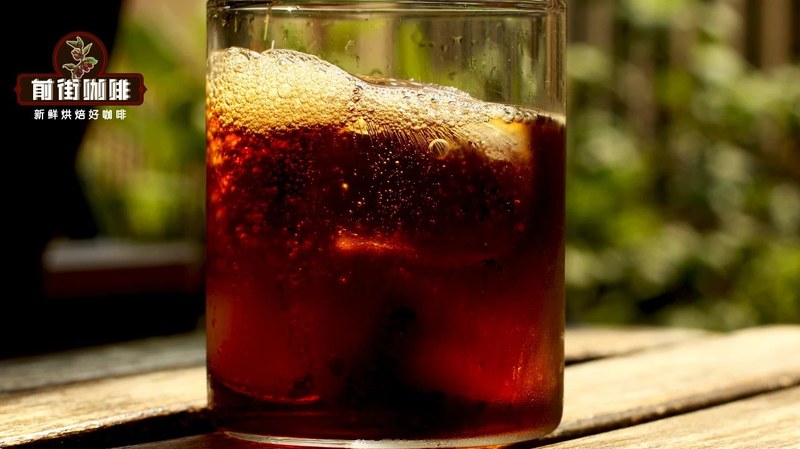
Cold drip is not simply about making coffee cold; it uses low-temperature water to slowly draw out aroma and sweetness. Beans suited to it usually need clear fruit notes or enough sweetness for support. After choosing the beans, you also need to adjust the coffee dose, drip rate and strength according to how intense the flavor is, so that the cold drip tastes bright on entry and clean on the finish, rather than leaving only a faint sourness.
For home cold drip, you can start with a coffee-to-total-water ratio of about 1:10, keeping the coffee dose at 40 g, with about 400 g of water or ice water in total, setting the drip rate at around one drop per second, and finishing in six to eight hours. If you want something more refreshing, you can add a small amount of ice after it is done; if you want a more concentrated aroma, reduce the later dilution. Too short a time easily makes it taste thin, while dragging it out too long may bring out a woody note.
Qianjie Ethiopia Huakui is suitable for presenting lively tropical fruit notes through cold drip, and on entry it may remind you of strawberry jam and passion fruit, with the sweetness appearing light at low temperature. Use a coarser cold drip grind, keep the coffee bed level and maintain one drop per second, and start with a 1:10 coffee-to-water ratio. After it is done, taste it without adding water first, then decide whether to dilute.
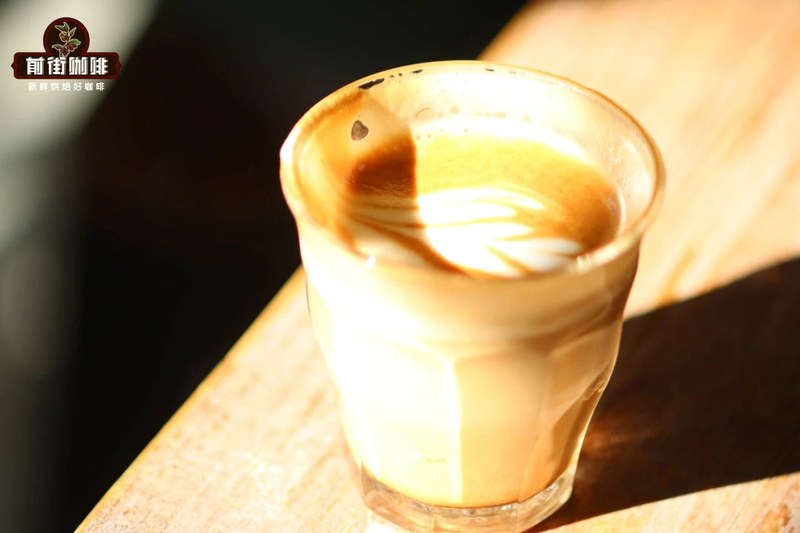
If this bean is brewed by pour-over instead, you can set the water temperature at 90 to 92°C, use a 1:15 coffee-to-water ratio, pour in three stages, and keep the total time at around two and a half minutes. If the acidity is too sharp, grind a little finer or raise the temperature by one degree Celsius; if astringency appears in the finish, reduce the circular pouring. When making iced Americano, the cold drip concentrate should not be over-diluted, as preserving the fruit notes will make it more distinctive.
Qianjie Colombia Xizhua has a more prominent juicy quality, with flavors unfolding between passion fruit, blueberry and ripe grape. After cold drip, the acidity becomes rounder, and it is especially smooth when drunk cold. You can tighten the coffee-to-water ratio to 1:9 and maintain a drip rate of one drop every one to two seconds. If you want the grape and apricot notes to be more concentrated, let it rest for half an hour after extraction, then add ice before drinking.
When using Xizhua for pour-over, the water temperature can be set at 91 to 93°C, with a 1:15.5 coffee-to-water ratio and a slightly finer grind than Huakui; pouring in four stages makes it easier to draw out a juice-like body. If using an espresso machine, you can start with 18 g of coffee, 36 g of liquid yield, and 28 to 32 seconds, maintaining pressure at eight to nine bar; if the sourness is too aggressive, adjust the grind finer and extend by a few seconds, while if bitterness is obvious, shorten the yield or grind slightly coarser.
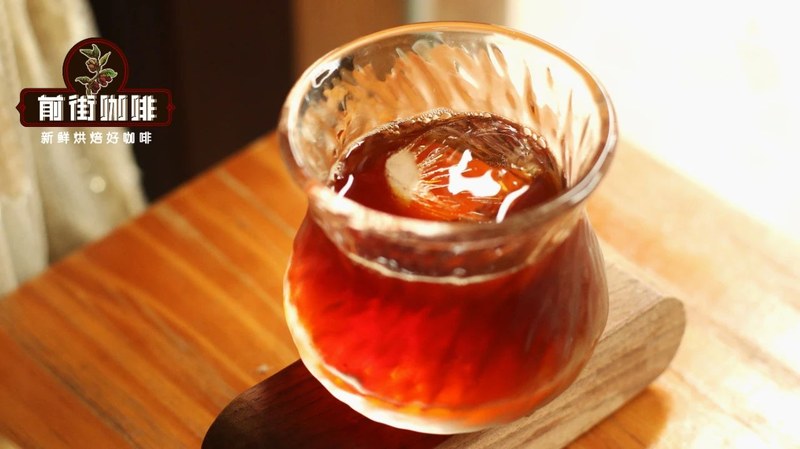
Qianjie Strawberry Candy coffee beans have a sweet aroma more like soft berry candy, with an easygoing style, suitable for people who want cold drip with a clear memorable point. For cold drip, a 1:8.5 coffee-to-water ratio can be used, with a drip rate slightly faster than Huakui, about one drop per second. After it is done, add sparkling water or ice to make the sweet aroma more lively, and it is also suitable for a fruity Americano.
If Strawberry Candy is used for espresso, it is recommended to extract 34 to 38 g of liquid from 18 g of coffee, with a time of about 25 to 29 seconds and pressure maintained at around eight bar, and the grind should not be too fine, so that the candy-like sweetness is not covered by burnt bitterness. When making milk coffee, you can reduce the proportion of milk so that the coffee liquid keeps a clear berry note; if the milk flavor is heavier, you can keep the yield near 34 g to increase concentration in the cup.
For pour-over iced coffee, a separate set of parameters can be used: for light-roasted beans with obvious fruit notes, the water temperature is usually 90 to 93°C, with a 1:15 coffee-to-water ratio, and after extraction it is poured directly into a server containing ice. To preserve the aroma, the ice should be weighed in advance, and the total liquid volume after the ice melts should also be included in the recipe, avoiding too much melted ice weakening the sweetness.
In actual adjustment, first judge where the flavor lands, then change the parameters. If it is sour and empty, it means extraction or contact is insufficient, so you can slow the drip rate, grind finer or raise the water temperature; if it is bitter and dry, then shorten the time, speed up the drip rate or reduce the resistance of the coffee bed. After cold drip is finished, refrigerate it for several hours and the aroma often becomes softer. All three beans are suitable for starting with small batches, gradually determining the concentration according to your own cup size.
Related Reading



Comments (0)
Loading comments...
You May Be Interested

Trending Reviews
Popular Videos

With you, wherever you are! We provide useful features to help you find new things you'll love






