Source:Best Coffee > News Author:qjroot Published:2024-04-30 18:22:20
According to Chinese business news, on May 11, 2023, China and Ecuador signed the Free Trade Agreement between the Government of the People’s Republic of China and the Government of the Republic of Ecuador. Both China and Ecuador have now completed their respective domestic approval procedures, and the agreement will officially come into effect on May 1, 2024.
According to the announcement, after the China-Ecuador Free Trade Agreement takes effect, the two sides will gradually eliminate tariffs on approximately 90% of tariff lines for each other, covering their major export products. About 60% of the tariff lines will have tariffs eliminated on the day the agreement comes into force. Most Chinese products, such as plastic products, chemical fibers, steel products, machinery, electrical equipment, home decorations, automobiles and parts, lithium batteries, and others, will see Ecuador’s import tariffs reduced from the current 5%–40% to zero.
The gradual mutual elimination of tariffs between the two countries will play an important role in expanding bilateral trade, promoting industrial chain integration and mutual investment, and will also further enhance the level of trade facilitation. The two sides will also establish closer communication and cooperation mechanisms in numerous areas such as rules of origin, customs procedures and trade facilitation, sanitary and phytosanitary measures, technical barriers to trade, trade remedies, dispute settlement, investment cooperation, e-commerce, competition, and economic cooperation. This will promote the mutual coordination of relevant rules and regulations, providing a more convenient, transparent, and stable business environment for enterprises of both countries.
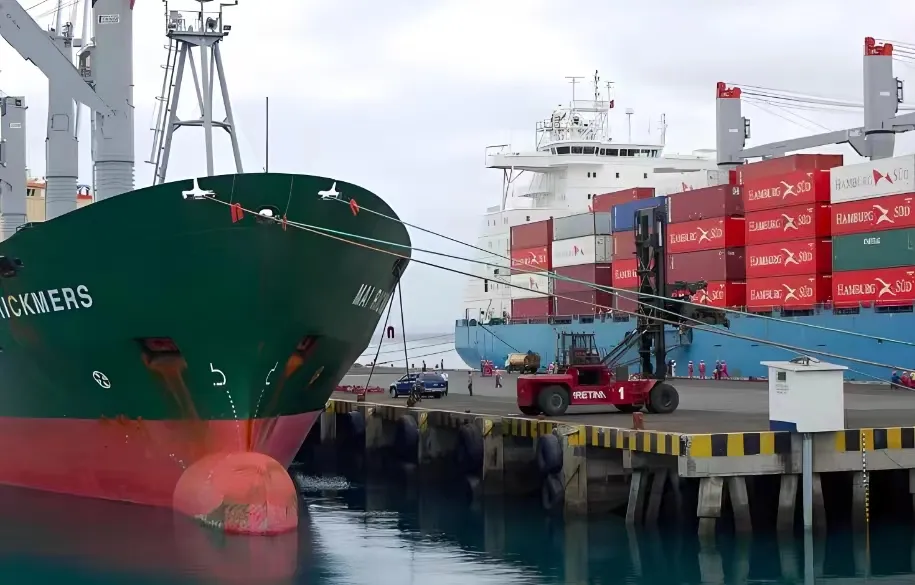
Ecuador’s economy mainly relies on exports of bananas, cocoa, oil, coffee, and tourism. Mexico’s severing of diplomatic relations with Ecuador will also reduce export trade between the two countries. Moreover, Ecuador has recently been severely affected by drought, which has impacted hydropower generation. Starting from April 16, power rationing measures have been implemented in multiple regions across the country.
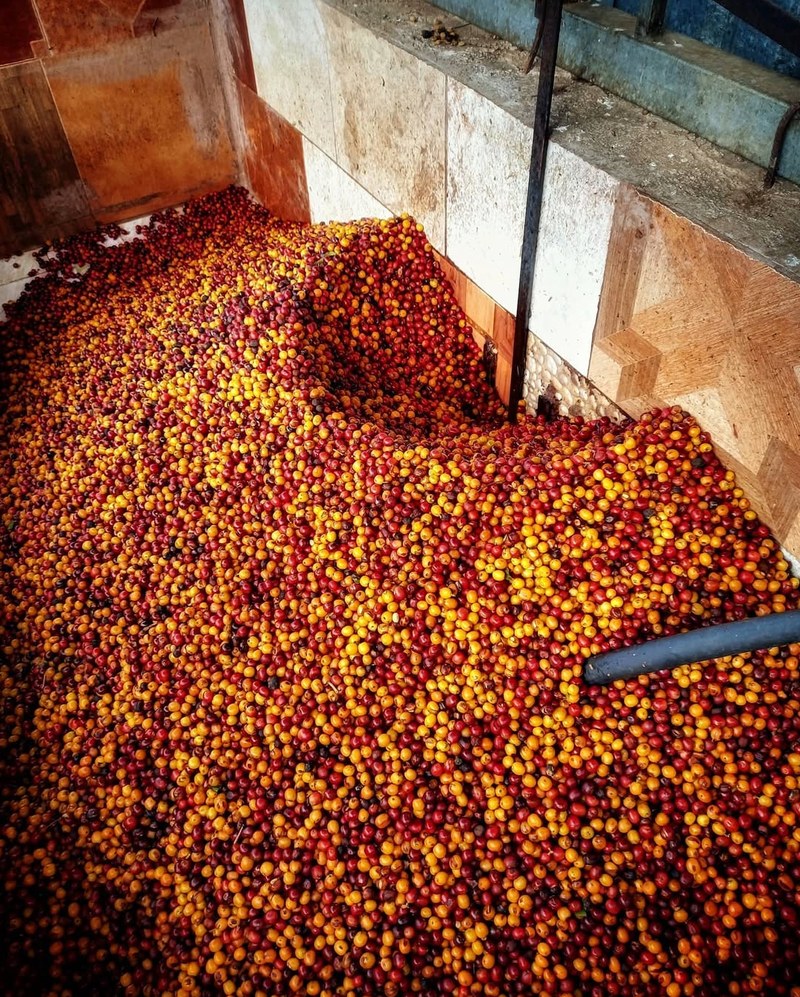
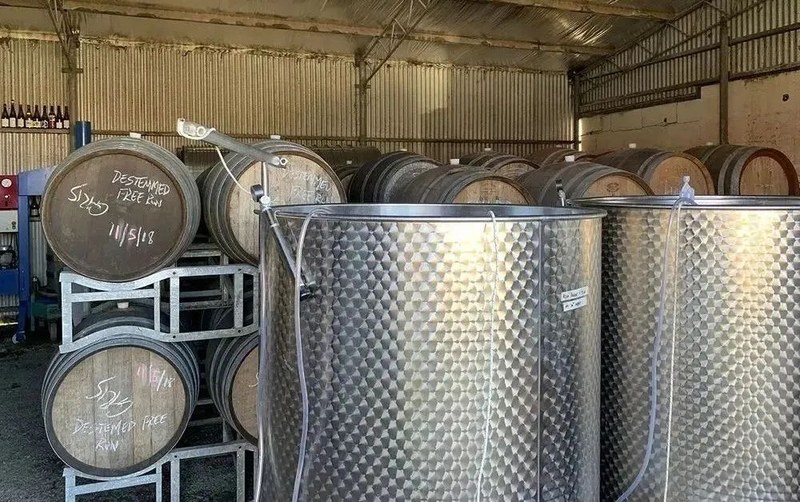
"https://v3.coffeecdn.cn/uploadfile/202404/1a4816a3cf7a0.jpg" alt="Image" style=";padding: 0px;outline: 0px;vertical-align: bottom;box-sizing: border-box !important;overflow-wrap: break-word !important;height: auto !important;visibility: visible !important;width: 677px !important"/>The diplomatic crisis and severe domestic drought have impacted Ecuador’s export trade of bananas, coffee, and other products. However, after the entry into force of the Free Trade Agreement between the Government of the People’s Republic of China and the Government of the Republic of Ecuador, tariffs on Ecuadorian bananas, shrimp, fish, fish oil, fresh and dried flowers, cocoa, coffee, and other products entering the Chinese market will be gradually reduced from the current 5%–20% to zero. This will benefit the development of Ecuador’s export trade.

It is understood that China also applies zero tariffs to products originating from Angola, Gambia, Mali, Madagascar, Mauritania, and the Democratic Republic of the Congo. The zero-tariff treatment covers 98% of the tariff lines of these African countries, including products such as coffee, palm oil, cotton, cocoa, fruits, seafood, and spices.
The entry into force of the agreement between China and Ecuador will enhance the level of trade and investment liberalization and facilitation between the two countries, further unlock the potential for trade and investment cooperation, promote all-round quality and upgrade of bilateral economic and trade cooperation, and improve the well-being of enterprises and people in both countries.
Related Reading




Comments (0)
Loading comments...
You May Be Interested


Trending Reviews
Popular Videos

With you, wherever you are! We provide useful features to help you find new things you'll love






