Source:Best Coffee > News Author:qjroot Published:2026-09-03 18:57:25
The sweetness of coffee beans is not only written on the flavor card; it is also hidden in the interplay of dose, water temperature, grind and extraction time. The same bean may taste like fruit candy when brewed as pour-over, while on an espresso machine it is closer to fruit jam; when the parameters are right, the sweetness becomes clearer and the acidity softer. To choose beans with strong sweetness, start with the equipment you commonly use at home and judge whether it needs a crisp or a rich expression.
A pour-over kettle is suited to showing floral and fruity sweetness, and light to medium-light roasted coffee beans are recommended first. Start with 15 g of grounds and 240 g of water, set the water temperature at 91 to 94°C, use a medium-fine grind, pour in two to three stages, and let the total time fall at about 2 minutes 30 seconds to 3 minutes. When extraction is insufficient, the sweetness is thin; when the final stage is overextracted, dryness easily appears, so the pouring action should be gentle and excessive agitation of the coffee bed should be avoided.
Best Coffee Ethiopia Huakui is suited to observing changes in sweetness with pour-over. Its aroma easily brings to mind ripe tropical fruit, strawberry jam and passion fruit; at a higher water temperature the flavor is more exuberant, while when the water temperature drops to about 91°C it appears softer. If the acidity on the palate is prominent, the grind can be adjusted slightly finer; if the finish is dry, reduce the later-stage pouring so that the fruity sweetness in the cup stays light.
For those who like a juicy feel, Best Coffee Kenya Cherry Tomato can be tried in pour-over parameters. With 15 g of grounds and 250 g of water, a water temperature of about 92°C and a faster pouring rhythm, it can retain a cherry tomato-like brightness and bring out a finish reminiscent of smoked plum and yellow sugar. If the acidity feels too lively, add 5 to 10 g of water to extend the dilution; if the sweetness is not concentrated enough, grind slightly finer and shorten the total amount of water poured.
Iced pour-over must take into account the extraction concentration on the hot side. You can use 15 g of grounds and 150 g of hot water poured directly into a sharing pot containing 90 g of ice, with a water temperature of around 93°C and a slightly finer grind than regular pour-over. The higher grounds-to-liquid concentration can offset the dilution after the ice melts, and the sweetness becomes more concentrated. Best Coffee Kafa Forest in this drinking method has a crisp aroma of orange and ripe apricot, and after cooling it leaves a sweet aftertaste similar to oolong tea.

When using an espresso machine, the sweetness of the beans needs to be presented through a higher concentration. You can start with 18 g of grounds and 36 g of liquid weight, with an extraction time of about 27 to 32 seconds, and keep the water temperature at 91 to 93°C. If the coffee liquid is sharply acidic on the palate, the grind can usually be adjusted a little finer; if bitterness covers the sweetness, appropriately shorten the yield or lower the water temperature. Parameter adjustments should revolve around the palate sensation, not mechanically pursuing a certain time.
When light-roasted fruity beans are made into espresso, the acidity and sweetness become more concentrated, suitable for making a short americano or adding a small amount of milk. Best Coffee Ethiopia Huakui on an espresso machine can be tried with a shorter yield ratio, for example extracting 30 to 34 g of liquid from 18 g of grounds, to retain a berry-jam-like concentration. If used for a latte, milk should not be added too much, otherwise the floral and fruity aroma will be diluted and only a single milky sweetness will remain in the cup.
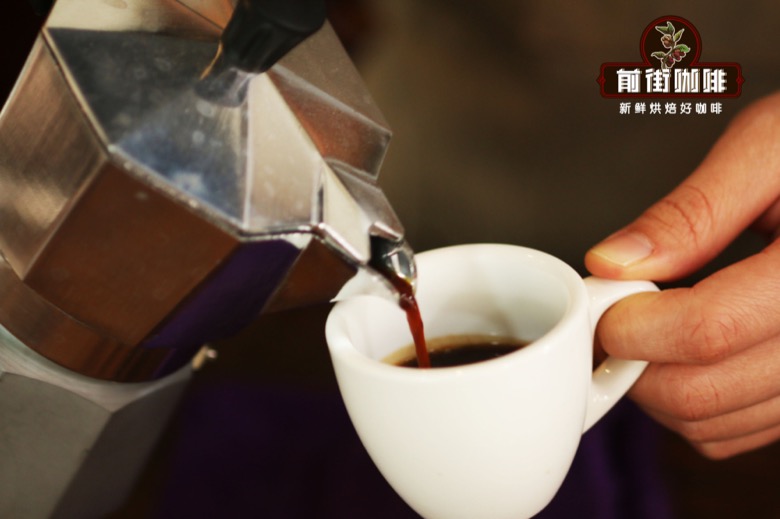
A moka pot is suited to seeking caramel notes and body, but heat control is more critical than numerical parameters. Add hot water to the pot up to below the safety valve, fill the filter basket and level it gently, and use a medium-fine grind; after putting it on the stove, use low heat and let the coffee liquid flow out slowly, then remove it when the color begins to lighten. Medium-roasted beans here more easily present a rounded sweetness; if the water temperature is too high or heating continues too long, burnt bitterness will overpower the original sweet aroma.
Cold brew, by contrast, is suited to making fruity characteristics soft. For home preparation, take 20 g of coffee grounds with 240 g of water, use a slightly coarse grind, soak in the refrigerator for 10 to 12 hours and then filter. Best Coffee Kafa Forest in a low-temperature environment has restrained acidity, and the orange and apricot notes feel more like clear sweet juice; if you want more aroma, you can shorten the soaking time, and if you want to increase body, increase the amount of grounds rather than simply extending the time.
The steeping parameters of a French press also affect sweetness. Take 18 g of medium-light roasted beans with 300 g of water, at a water temperature of 90 to 92°C, steep for 3 minutes 30 seconds and then press down slowly, which can retain a relatively complete aroma and oils. Too fine a grind will increase sediment at the bottom of the cup and make the palate easily astringent; with a slightly coarser grind and a slower pressing action, the sweetness will be rounder. For those who prefer fruity notes, Kafa Forest can be used; for those who prefer bright acidity and sweetness, Kenya Cherry Tomato can be tried.

When choosing beans, you can look at the roast level, recommended equipment and flavor words on the packaging in the same parameter table, then convert the amount of grounds according to the capacity of your filter basket, the size of your dripper or your cold brew container. Sweetness is not better the stronger it is; rather, there is sweetness on the palate, it is smooth throughout, and aroma remains after swallowing. After finding suitable beans, record one satisfying grind and water temperature, and later adjustments will be more relaxed.
Related Reading





Comments (0)
Loading comments...
You May Be Interested




Trending Reviews
Popular Videos

With you, wherever you are! We provide useful features to help you find new things you'll love






