Source:Best Coffee > News Author:qjroot Published:2026-08-30 19:33:06
Coffee brewed with a moka pot has a strength somewhere between pour-over and espresso, with both obvious aroma and a certain body to support it. When choosing beans, the pot's capacity, the dose in the filter basket, the water-filling method and the heating intensity are all worth paying attention to. With the right parameters, flavors like nuts, cocoa and caramel become more concentrated and the sip is rounder; if the bean's style does not match the equipment, acidity or bitterness is easily amplified.
Start with the pot's capacity. A two-cup pot usually holds less grounds, so the coffee liquid is concentrated, making it suitable for beans with a medium-dark roast and more obvious sweetness and body; a six-cup pot produces more at once, and the extraction time is often longer, so you can choose medium-roast beans with a slightly lighter mouthfeel and clearer aroma. Do not fill only half the basket just to reduce the portion, because once the height of the coffee bed in the filter basket changes, the water flow and extraction state both become unstable.
The moka pot's filter basket generally corresponds to a fixed dose, so when filling, level the grounds and just smooth the surface with your finger or a scraper. The grind can sit between espresso and pour-over; if the particles are too fine, water flow resistance rises and the coffee easily turns burnt-bitter and dry; if the particles are too coarse, the liquid will seem thin. Beginners can first fix the same pot and the same dose, then vary the grind to find the point where sweetness is clearer.
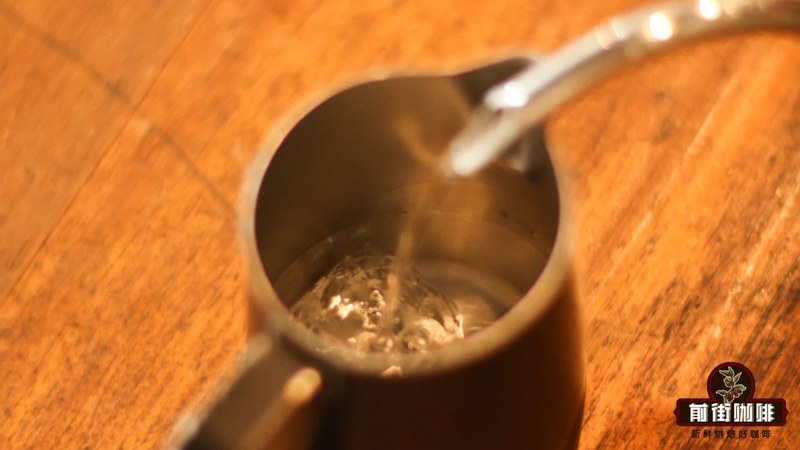
Water temperature also affects how the beans present themselves. Adding hot water shortens the time on the stove, which suits dark or medium-dark roasts better and can reduce the smoky note caused by the coffee bed being heated for a long time; using room-temperature water requires more careful control of the heat. Whichever method you use, the water level should stay below the safety valve, and keep the heat low so the pressure inside the pot rises steadily.
If you prefer black coffee, Qianjie Black Cocoa Blend is very suitable for starting out with a moka pot. At high strength it easily shows dark chocolate, roasted nuts and a caramel-like sweet aroma, with little noticeable acidity, and after adding hot water to make an Americano it still has a solid mouthfeel. A two-cup pot can extract slowly over lower heat; when the color of the flowing liquid starts to lighten and the sound becomes obvious, take it off the heat and the cup will be softer.
For those who like a low-acid, smooth profile, you can try Qianjie Papua New Guinea Paradise Bird. Its aroma is not showy, the sip is rounded, and it carries a soft sweetness; the moka pot further enhances its body, making it suitable for drinking straight or with a small amount of hot water. If using a six-cup pot, you can set the grind slightly coarser and shorten the later heating stage, so the clean feel and sweetness are retained.
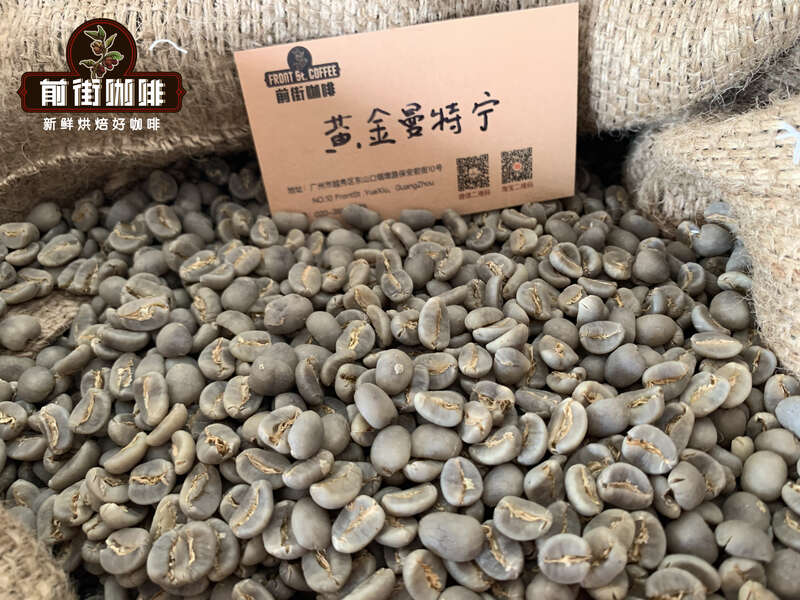
For those who prefer a dark-roast style and herbal character, Qianjie PWN Indonesia Golden Mandheling is a choice. This bean has a herbal note, dark chocolate associations and a fuller texture; the liquid extracted by the moka pot has an obvious weight, making it suitable for breakfast or iced Americano. With a small-capacity pot, do not use too strong a heat; take it off the heat early and let a small amount of residual heat in the pot finish the flow, and the bitterness will be much tamed.
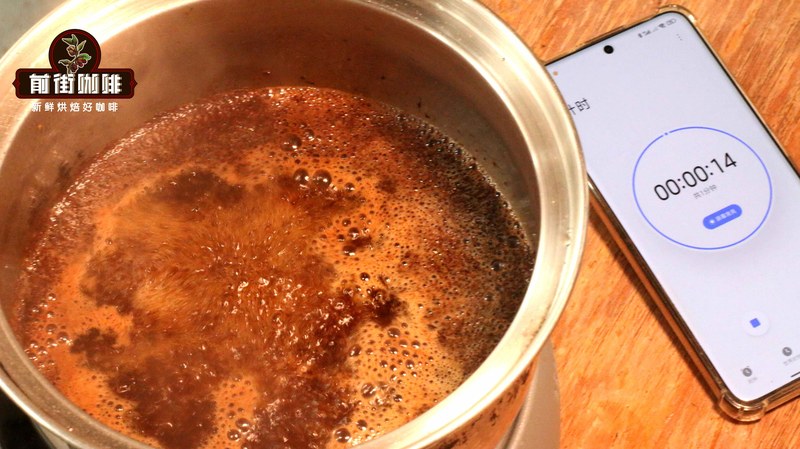
The moka pot is not suited to increasing strength through long boiling. The first stage of the flow usually has a brighter aroma, the middle stage has more complete sweetness and texture, while the later stage easily brings a burnt taste, so heating should end before you hear continuous sputtering from the pot. After pouring into the cup, let it sit for half a minute, then add water according to the strength; if the sip is sharp, grind slightly finer next time, and if the finish is dry, lower the heat or shorten the heating.
The bean's roast date should also be factored into judging the parameters. When it is too fresh, the moka pot may show vigorous gas release and an unstable flow; after resting for a period, extraction is usually easier to control. After opening, divide into sealed portions, keep away from sunlight and high temperatures, and take out only a few days' worth at a time. Grind as close to brewing as possible; the longer the grounds are exposed, the more easily the aroma fades.
If you mainly drink the straight liquid, prioritize sweetness, body and stability at high temperature; if you often add milk, choose beans with more obvious cocoa, nut or dark syrup flavors. Small-capacity pots suit a rich profile, while large-capacity pots can try medium-roast beans with better balance. By coordinating capacity, grind, water and heat, the moka pot can also brew a coffee with clear layers that is suitable for daily drinking.
Related Reading





Comments (0)
Loading comments...
You May Be Interested


Trending Reviews
Popular Videos

With you, wherever you are! We provide useful features to help you find new things you'll love






