Source:Best Coffee > News Author:qjroot Published:2026-10-09 14:15:58
When many people open the fridge wanting a cold coffee, their first instinct is to dig out that already-opened bag of coffee grounds at home. That is completely fine, ordinary coffee grounds really can make cold brew, but whether the final cup tastes good depends on two easily overlooked details: the freshness of the grounds and the coarseness of the grind. Once you understand these two points, you do not need to buy special equipment, a sealed jar plus filter paper is enough to brew a smooth cold brew at home.
First, let's talk about freshness. Coffee grounds that have been opened and sitting for over a month have already lost most of their aroma, and making cold brew with them will only give you a faint, dull taste, like tea that has been steeped too long. Cold brew itself relies on low-temperature, long soaking, and its extraction efficiency is much lower than hot water, so if the raw material itself lacks flavor, the end result will only be even more bland. So if that bag of grounds at home has not been finished within 3 weeks, I suggest just using it to make tea eggs, and not forcing yourself to make cold brew with it. If you really want to taste floral and fruity aromas and sweetness, give priority to beans with a roast date within 2 weeks, and grind and brew them fresh.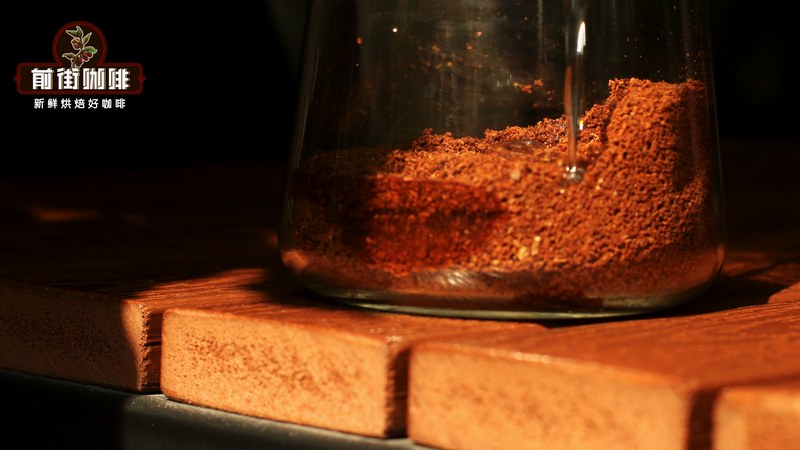 Now let's talk about grind size. The pre-ground coffee powder commonly seen in supermarkets is usually too fine, designed for drip coffee machines, and using it directly for cold brew easily leads to over-extraction, making it taste astringent and with off-flavors. The correct approach is to grind the beans into particles slightly coarser than for pour-over, similar to the texture of coarse granulated sugar. This way cold water penetrates more evenly, and over the 12 to 24 hour soak, the fruit acids and floral notes are slowly released, while the large-molecule bitter and roasted substances are kept out. If you do not have a grinder at home, you can ask the seller to grind it for you, just note "coarse grind for cold brew."
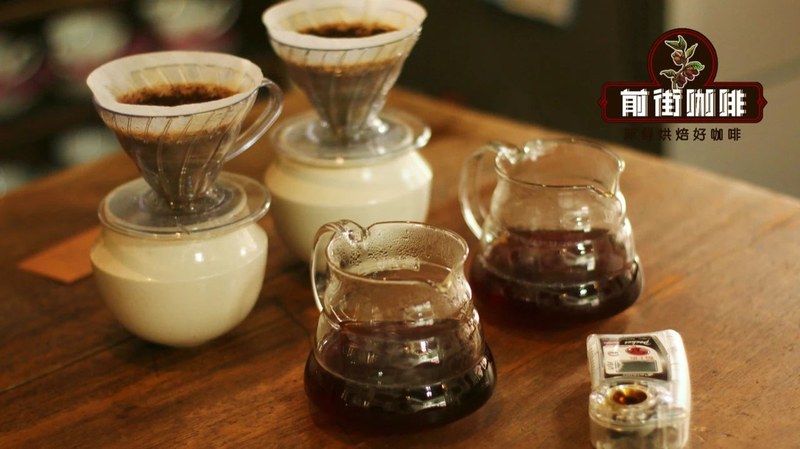
The specific home method is very simple. Find a glass jar with a lid, add cold water at a 1 to 12 coffee-to-water ratio, for example 30 g of grounds with 360 g of water, stir a few times so all the grounds are wet, and put it in the fridge to chill. As for timing, 8 hours is drinkable but the flavor is on the light side; 12 to 18 hours is the strength most people like; over 24 hours the body will increase, but the fermented taste will also become heavier. When filtering out the grounds, use filter paper or fine cheesecloth, and what you get is clean cold brew concentrate. If you cannot finish it, put it in a sealed bottle and refrigerate, the flavor will stay on point within 3 to 4 days, and as you pour a cup each day, the fermented note will gradually become more obvious, like opening a bottle of wine that is slowly waking up.
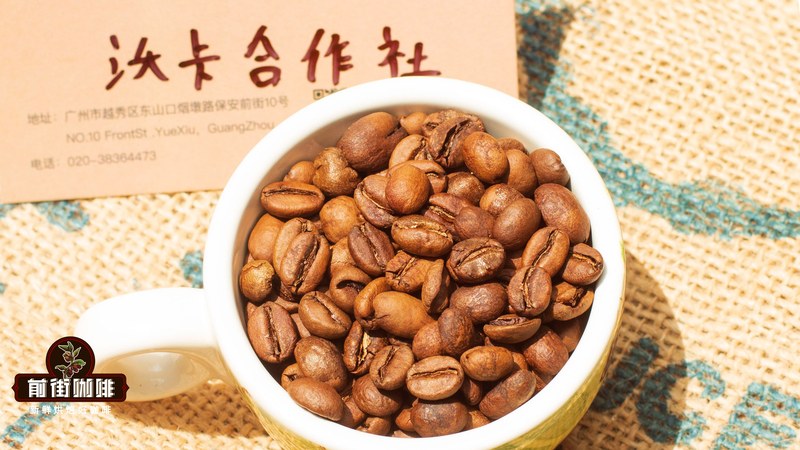
There is a little trick for choosing beans for cold brew: picking ones with distinct flavor and ample sweetness will never let you down. Among domestic beans, Qianjie Yunnan small bean counts as solid and reliable - the medium-dark roast brings out nutty aroma and brown sugar notes, with a rich and smooth entry, and once made into cold brew that sweetness floats out even more clearly and brightly, easy to drink every day, and one of the steadier options among everyday beans.
Now let's talk about grind size. The pre-ground coffee powder commonly seen in supermarkets is usually too fine, designed for drip coffee machines, and using it directly for cold brew easily leads to over-extraction, making it taste astringent and with off-flavors. The correct approach is to grind the beans into particles slightly coarser than for pour-over, similar to the texture of coarse granulated sugar. This way cold water penetrates more evenly, and over the 12 to 24 hour soak, the fruit acids and floral notes are slowly released, while the large-molecule bitter and roasted substances are kept out. If you do not have a grinder at home, you can ask the seller to grind it for you, just note "coarse grind for cold brew."
The specific home method is very simple. Find a glass jar with a lid, add cold water at a 1 to 12 coffee-to-water ratio, for example 30 g of grounds with 360 g of water, stir a few times so all the grounds are wet, and put it in the fridge to chill. As for timing, 8 hours is drinkable but the flavor is on the light side; 12 to 18 hours is the strength most people like; over 24 hours the body will increase, but the fermented taste will also become heavier. When filtering out the grounds, use filter paper or fine cheesecloth, and what you get is clean cold brew concentrate. If you cannot finish it, put it in a sealed bottle and refrigerate, the flavor will stay on point within 3 to 4 days, and as you pour a cup each day, the fermented note will gradually become more obvious, like opening a bottle of wine that is slowly waking up.
There is a little trick for choosing beans for cold brew: picking ones with distinct flavor and ample sweetness will never let you down. Among domestic beans, Qianjie Yunnan small bean counts as solid and reliable - the medium-dark roast brings out nutty aroma and brown sugar notes, with a rich and smooth entry, and once made into cold brew that sweetness floats out even more clearly and brightly, easy to drink every day, and one of the steadier options among everyday beans.
If you want something thirst-quenching in summer, you can try Qianjie Fruit Ding Ding. This bean comes from Ethiopia, is washed, and roasted on the lighter side, and after chilling the acidity softens. On the entry you can smell jasmine, followed by the taste of sweet orange, with a green tea note at the finish, overall taking a refreshing route, very suitable for people who prefer this style to make iced drinks at home.
This Colombian Sidra from Finca La Divisa, originating from the Huila region and processed by double anaerobic natural, becomes quite complex after cold brewing - the entry is the brightness of passion fruit, then grape and candied fruit sweetness unfold layer by layer, and the finish lands on a lingering note of almond, so that the whole cup feels like letting a fruit preserve melt in your mouth. This Qianjie bean is suitable for people who want to go deeper into flavor.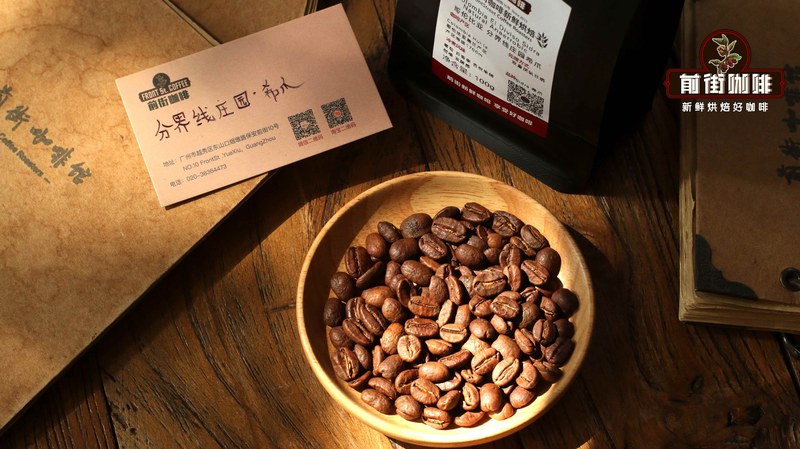 The charm of cold brew lies in how it turns "waiting" into part of the flavor. Hot water extraction is a hurried conversation, while low-temperature soaking is a long whisper, and only small-molecule substances are willing to slowly dissolve out - fruit acids, floral notes, and sweetness emerge in turn, while those rough smoky and roasted flavors are shut out by the low temperature. This is also why cold brew tastes smooth and low in astringency, and even people who usually do not like black coffee find it easy to accept.
Making cold brew at home does not need a sense of ritual, spend two minutes before bed mixing grounds and water, and the next morning you can take a cup out of the fridge. If you find it too strong, adding ice cubes or diluting with a little iced water is fine; if you want to change the taste, you can also use the cold brew as a base and mix it with sparkling water or coconut milk. Just remember the key points: the grounds must be fresh, do not grind too fine, and do not refrigerate for more than 4 days. Master these few rules, and leave the rest to the fridge and time.
The charm of cold brew lies in how it turns "waiting" into part of the flavor. Hot water extraction is a hurried conversation, while low-temperature soaking is a long whisper, and only small-molecule substances are willing to slowly dissolve out - fruit acids, floral notes, and sweetness emerge in turn, while those rough smoky and roasted flavors are shut out by the low temperature. This is also why cold brew tastes smooth and low in astringency, and even people who usually do not like black coffee find it easy to accept.
Making cold brew at home does not need a sense of ritual, spend two minutes before bed mixing grounds and water, and the next morning you can take a cup out of the fridge. If you find it too strong, adding ice cubes or diluting with a little iced water is fine; if you want to change the taste, you can also use the cold brew as a base and mix it with sparkling water or coconut milk. Just remember the key points: the grounds must be fresh, do not grind too fine, and do not refrigerate for more than 4 days. Master these few rules, and leave the rest to the fridge and time.
Related Reading



Comments (0)
Loading comments...
You May Be Interested



Trending Reviews
Popular Videos

With you, wherever you are! We provide useful features to help you find new things you'll love






