Source:Best Coffee > News Author:qjroot Published:2026-09-02 18:33:57
A balanced sweet-and-acidic coffee bean is not about simply tuning the sourness and sweetness to the same intensity; rather, it should have a bright sensation on entry, then shift into a sugary quality, and leave no sharp or drying feeling after swallowing. Because household equipment varies in water temperature, pressure, flow rate and coffee-to-water ratio, the same bean's balance point will shift, so when choosing beans you should picture the brewing parameters along with them.
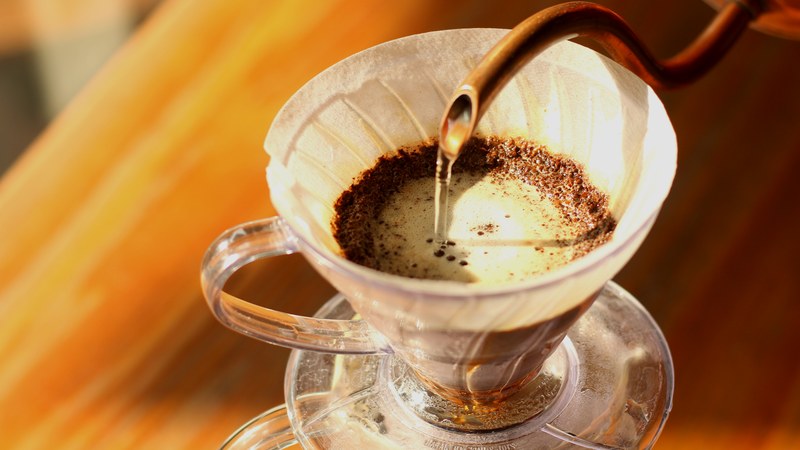
If you use a pour-over kettle, it is usually easier to taste floral and fruity notes and clear layers, making it suitable to choose light to medium-light roasted beans with citrus or stone fruit character. You can start with a water temperature of 90 to 93°C, a coffee-to-water ratio between 1:15 and 1:16, and a medium-fine grind, aiming to let the acidity have brightness while leaving enough extraction room for sweetness.

Qianjie Kafa Forest is suitable for practicing this kind of balance. Once brewed, it shows an orange-like fresh aroma, followed by the soft fruit sweetness of ripe apricot and peach, with a finish reminiscent of oolong tea. Use 15 g of coffee and 240 g of water, pour in stages at 92°C, slow the flow in the first stage, and drink after the coffee liquid cools; the sweetness often becomes clearer.
If the pour-over tastes as sharp as lemon juice on entry, the coffee bed may not have had enough contact time with water; you can grind slightly finer or raise the water temperature by one degree. If the tongue surface dries after the acidity, reduce agitation, lower the flow in the final stage, or shorten the total extraction time. Move only one parameter at a time to judge whether the difference comes from the bean's style or the brewing method.
For those who prefer highly aromatic pour-over, try Qianjie Grana Estate Geisha. Its natural-process character brings aromas such as orange blossom, guava and apricot, and the cup often has a jammy berry sweetness. It is recommended to use a higher coffee-to-water ratio, for example 15 g of coffee to 250 g of water, at 91 to 93°C, with gentle pouring to avoid over-agitation making the finish heavy.
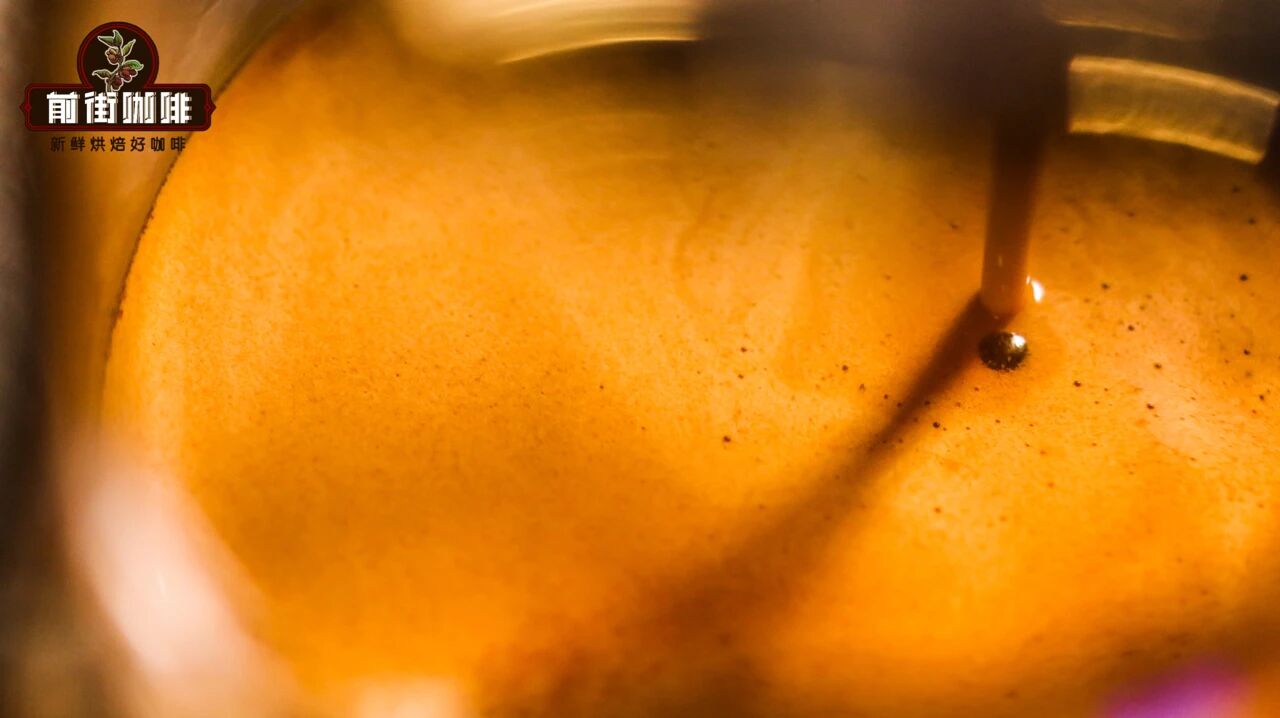
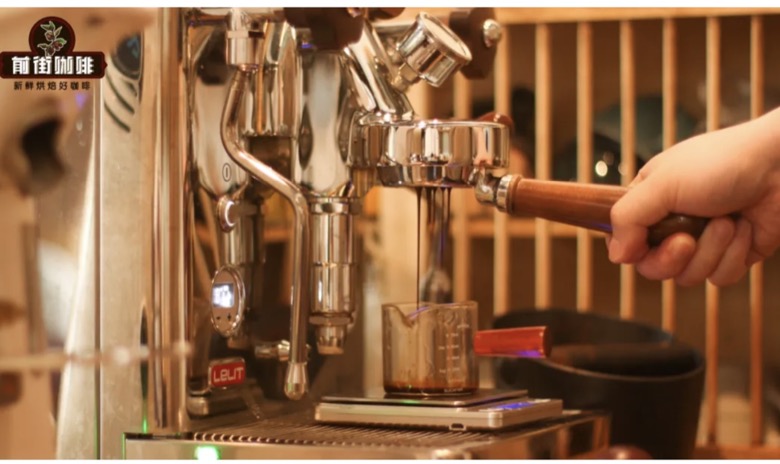
With an espresso machine, sweet-and-acidic balance depends more on concentration and flow rate. For single-origin beans, you can start testing from 18 g of coffee, 36 g of liquid yield, and 26 to 32 seconds, at about 92 to 94°C. If the entry is sour and thin, grind a little finer to extend the time the liquid passes through the puck; if bitterness overwhelms the sweetness, coarsen appropriately or reduce the yield so the cup retains more concentrated fruit sweetness.
When Qianjie Colombia Sidra is put into an espresso machine, the aromas of passion fruit, blueberry, grape and apricot are compressed into a more impactful juicy quality. For espresso, a shorter ratio can be used to concentrate the aroma; for iced americano, adding a small amount of iced water makes the acidity appear clean and lively. If making milk coffee, it is recommended to reduce the proportion of milk so the fruit aroma can still pass through the creaminess.
A moka pot varies more in water temperature and heat, so it suits medium-light or medium roasted beans with supportive sweetness and acidity that is not too sharp. Fill the grounds level with the filter basket capacity, grind coarser than for espresso, fill water to below the safety valve and heat over low heat. When the coffee liquid begins to lighten in color, remove from heat and let residual heat finish the flow; the sweetness in the cup will be more complete than with continuous heating.
Iced pour-over, cold brew and ice drip change the perceived order of acidity and sweetness. Low temperature can suppress irritation but may also make aromas seem more restrained; beans with obvious fruit aroma suit a shorter steep or higher concentration, while beans with thick sweetness can be steeped longer. For iced pour-over, increase the coffee dose or reduce the melting ice water to avoid the taste becoming too weak after the ice melts, keeping the ratio of acidic aroma and sweetness.
If you only have one set of equipment at home, you can work backward from the bean's roast level and the target drink to derive parameters. For a refreshing black coffee, choose beans with obvious floral and fruity aromas, and adjust water temperature and grind to control acidity; if you often make lattes, pay attention to the body and caramel-like sweetness of the espresso. After opening, keep beans sealed and away from light; before brewing, record the coffee dose, liquid yield and time, and after a few rounds you will find the sweet-and-acidic ratio that better fits your taste.
Sweet-and-acidic balance does not require every cup to show the same flavor, but rather that the acidity brings vitality, the sweetness supports the mouthfeel, and the aftertaste remains comfortable. Pour-over, espresso, moka pot and cold brew each have suitable beans and parameters; start from the equipment you commonly use at home, then fine-tune according to the entry performance, and choosing beans will change from reading flavor words into a truly executable choice.
Related Reading



Comments (0)
Loading comments...
You May Be Interested





Trending Reviews
Popular Videos

With you, wherever you are! We provide useful features to help you find new things you'll love






