Source:Best Coffee > News Author:qjroot Published:2024-07-21 16:47:22
Panama enjoys a very high reputation in the global coffee market. In addition to the internationally renowned Geisha, this is also thanks to the Panamanian Specialty Coffee Association (SCAP), which designed, organized, and hosted the local green coffee competition: BOP (Best Of Panama), also known as "Best of Panama."
Best of Panama (BOP)
This is the world’s earliest established green coffee competition and can also be described as a coffee bean “auction”—the Best of Panama. Estate owners submit their highest-quality coffee batches, from which the finest and highest-scoring ones are selected. These are then auctioned to buyers worldwide based on their scores, with the highest bidder winning. In recent years, the winning bids for BOP champion lots have reached thousands of dollars, making it a focal event in the coffee industry.
Unlike major producing countries such as Brazil and Vietnam, Panama has taken a path of low production and high-end specialty coffee. In the 1990s, facing a downturn in Panama’s coffee industry and a global crisis in green bean prices that made it difficult for coffee producers to sustain their businesses, the Panamanian Specialty Coffee Association (SCAP) organized local farmers to come together. In 1996, they held the first Best of Panama green coffee competition, selling specialty coffee beans through auctions. This greatly transformed Panama’s coffee industry and also influenced the direction of the global specialty coffee market.
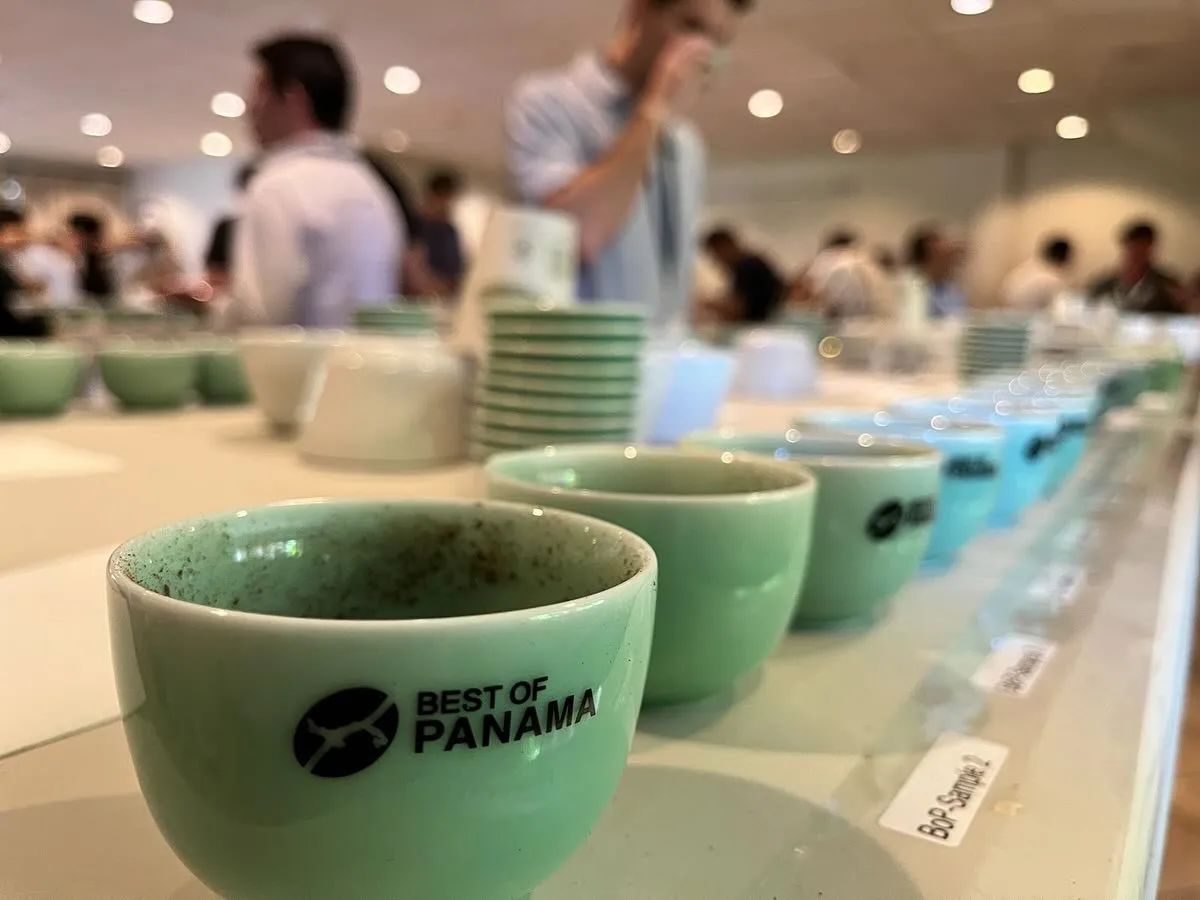
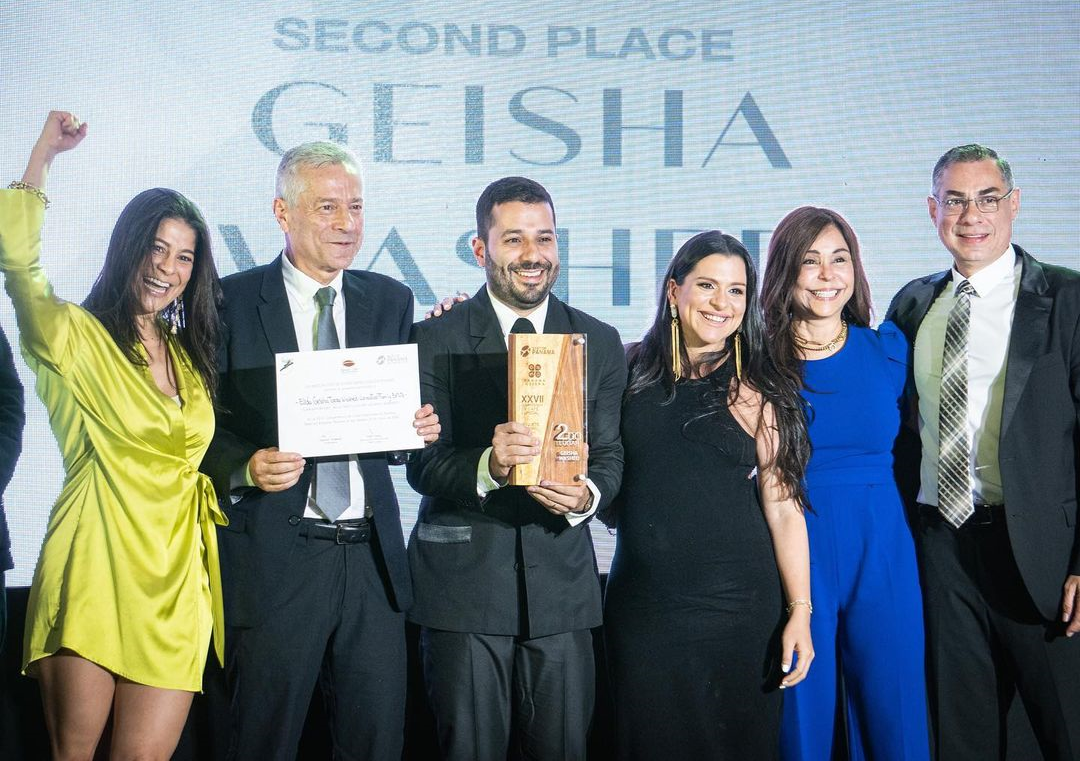
Because Geisha consistently scores much higher than other varieties in the competition, submitted green coffee beans are now divided into a Geisha group and a non-Geisha group, and then further categorized by processing method into natural and washed groups. The beans are then blindly scored by judges, and the one with the highest average score becomes the Best of Panama for that year. In this year’s (2024) competition, the organizers also introduced a new award called “Producer of the Year,” which was won by the Lamastus family. Their portfolio includes three well-known estates: Elida Estate, El Burro Estate, and Luito Estate, all located in the Boquete region.
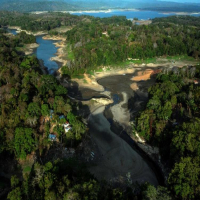
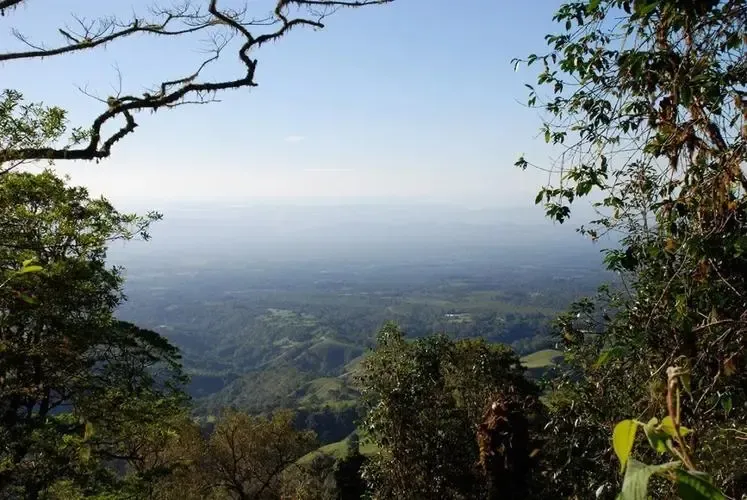
Panama has only three main coffee-growing regions: Boquete, Volcan, and Renacimiento, yet it produces some of the most expensive coffee in the world. The Boquete region is a town in Chiriquí Province, situated on a plateau on the eastern side of the Barú Volcano at an altitude of about 1,000–2,000 meters. It faces the warm, humid trade winds of the Caribbean Sea and is backed by the cold currents of the Atlantic Ocean. The mountains are high and steep, and the “Volcán Barú National Park” is an ecological conservation area with rich biodiversity, featuring seven microclimates. Coupled with year-round mist and abundant rainfall, these conditions create excellent growing environments.
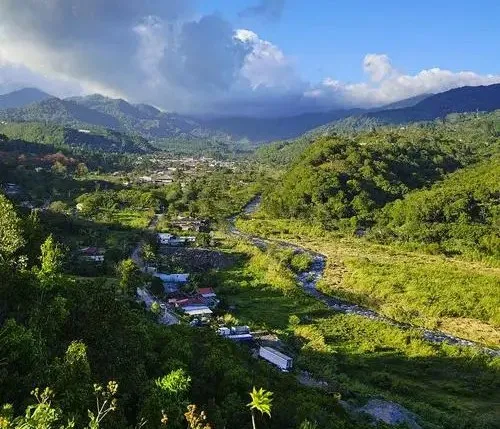
Elida Estate
Elida Estate has a century-long history of coffee cultivation. It was founded in 1918 by the Lamastus family and has now been passed down to the fourth generation. The estate is named Elida after the wife of the then-farm owner, Robert Louis Lamastus, and is currently managed by his son, Wilford Lamastus.
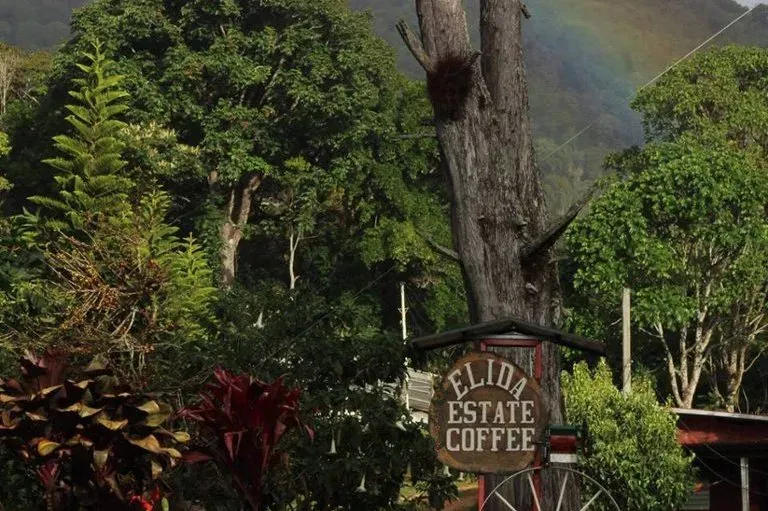
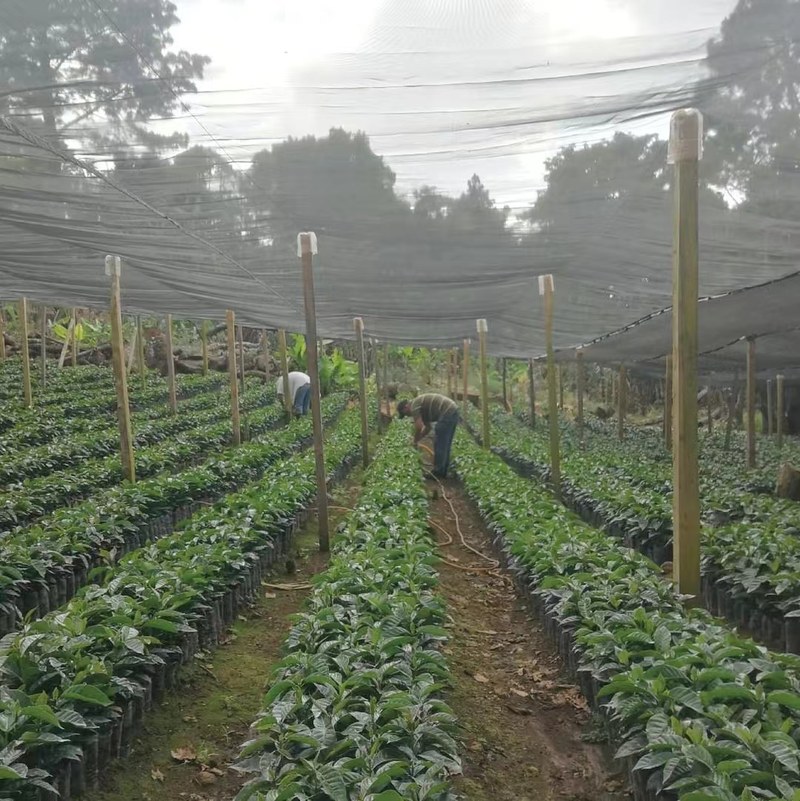
The estate covers a total area of approximately 65 hectares, with more than half located within the Volcán Barú National Park. The microclimates created by the volcano and the high-altitude environment allow plants to thrive exceptionally well. In addition to coffee, many rare high-altitude fruit varieties are also grown here. Nearly half of the farm is dedicated to coffee cultivation, including premium varieties such as Geisha, Typica, and Caturra, while the other half consists of pristine forest. The coffee trees are typically grown at altitudes between 1,670 and 1,850 meters, making Elida one of the two highest-altitude estates in Panama.
The owners of Elida Estate have very high standards for coffee harvesting and green bean processing. They only pick the ripest coffee cherries, which have a high sugar content in the mucilage layer, resulting in complex fruity acidity and sweetness in the flavor profile. This has also led to Elida’s Geisha achieving outstanding results in multiple competitions. At this year’s BOP, Elida Estate’s natural Geisha won the natural group championship with a score of 95.13.
El Burro Estate (Donkey Estate)
Like Elida Estate, El Burro Estate also has a history of nearly 100 years. However, it was established by Amado Boutet, the grandfather of Wilford Lamastus, the current heir of the Lamastus family. At that time, due to the low coffee market prices, the grandfather had once considered selling the coffee farm. Wilford and his brother Patrick Lamastus could not bear to see the family coffee estate sold off, so they purchased El Burro Estate and continued its operation. The original location of the estate was used for livestock farming, hence the name “Burro” (donkey).
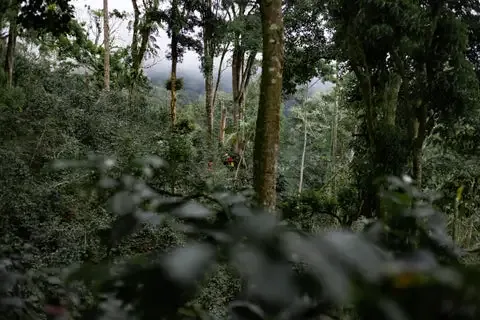
The estate is located in the southern region, at an altitude between 1550 and 1800 meters, covering an area of approximately 50 hectares. Of this, 20 hectares are planted with Geisha and Catuai, 10 hectares are reserved for planting, and the remaining area belongs to the Barú Volcano National Park, preserving the original forest ecological environment. The estate benefits from fertile volcanic soil, a humid rainforest, and a unique microclimate. During the dry season, the air is relatively dry, and the cool nighttime temperatures help to extend the maturation period of the coffee cherries.
Luito Estate
Luito Estate is very close to Elida Estate, just about a 20-minute drive away, and is owned by Luito Lamastus, the elder brother of Wilford Lamastus. It is the smallest of the three estates and is entirely planted with Geisha. The coffee is usually available only in limited supply to specific clients.
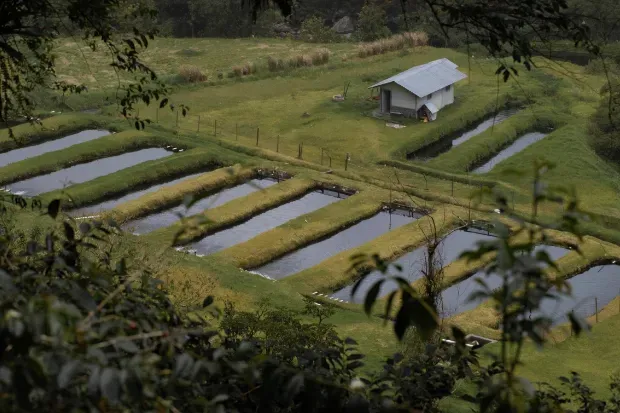
Luito Estate is located in the northernmost part of Boquete and has a colder and more humid climate throughout the year. The estate covers only 5 hectares, with a portion situated within the Parque Internacional de la Amistad (International Friendship Park), at an altitude of about 1600–1750 meters. The cold climate gives Luito’s Geisha a distinctive terroir. The relatively longer growth cycle also results in sweeter coffee with more intense fruit aromas, and the beans are also relatively larger in size and appearance.
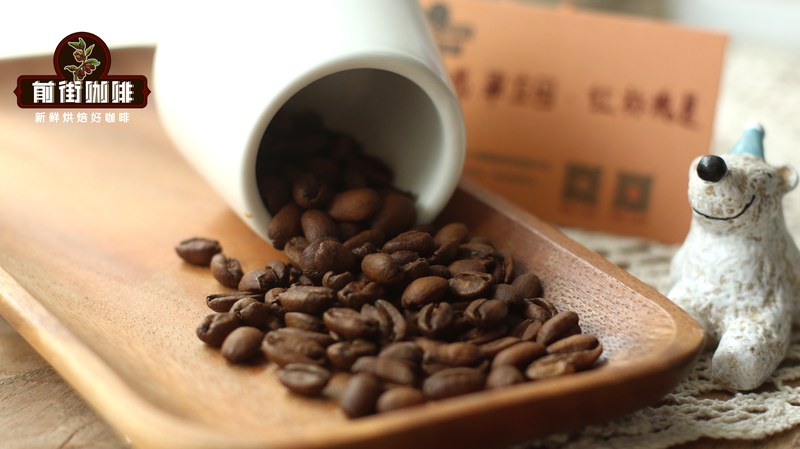
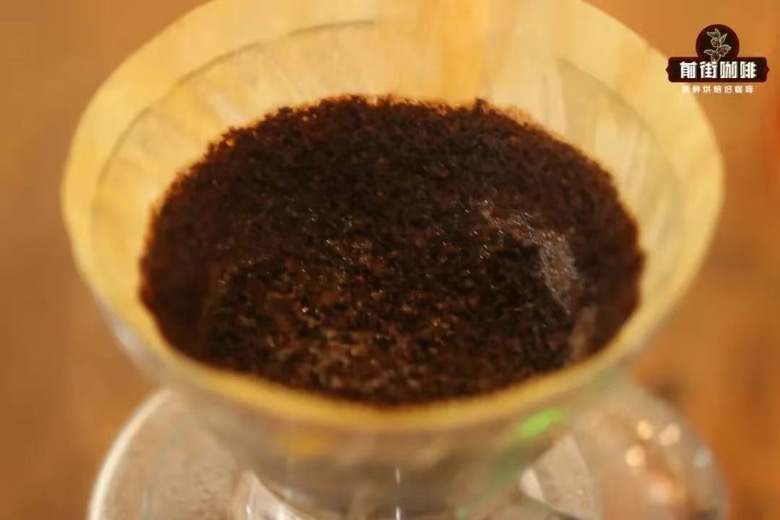
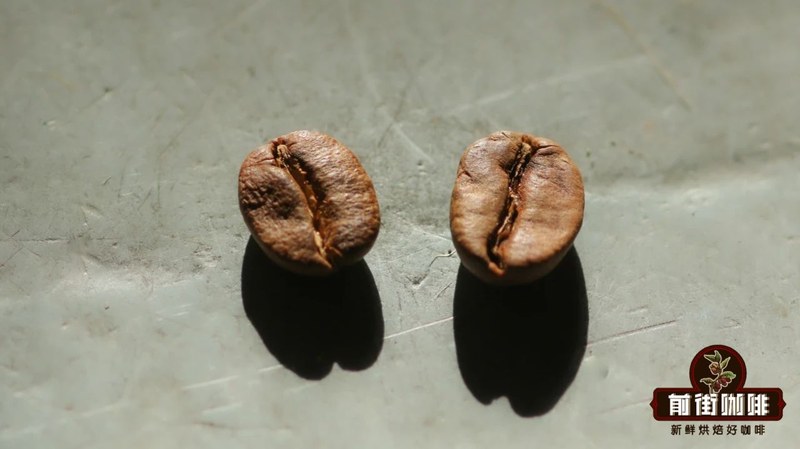
A natural-processed Catuai coffee on the front street bean menu comes from the Elida Estate of the Lamastus family. To highlight its unique floral and fruity aromas, the front street roasters used a medium-light roast level. When brewed, this coffee displays a very appealing and rich array of tropical fruit notes. It has a smooth mouthfeel, with flavors of peach, raisin, orange, caramel, and green tea, and a clean aftertaste.
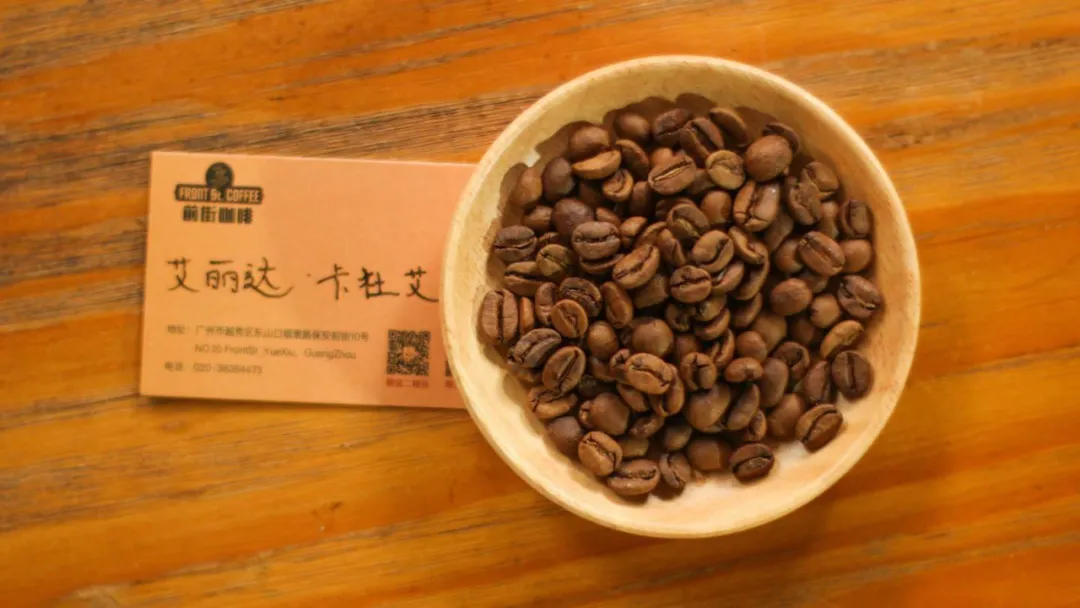
Region: Boquete, Panama
Estate: Elida Estate
Related Reading
Comments (0)
Loading comments...
You May Be Interested

Trending Reviews
Popular Videos

With you, wherever you are! We provide useful features to help you find new things you'll love






