Source:Best Coffee > News Author:qjroot Published:2026-08-28 15:34:17
Don't reduce flavor to a simple opposition between acidity and bitterness; aroma, sweetness, body, mouthfeel and finish together make up a cup of coffee. Bean selection approach: first decide on floral and fruity notes, nutty and cocoa notes, or a balanced middle ground, then use origin, processing method and roast level to put it into practice.
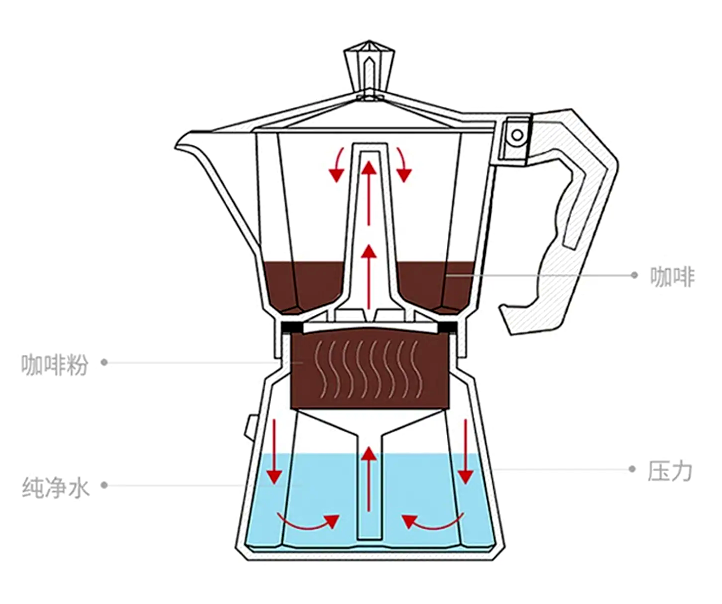
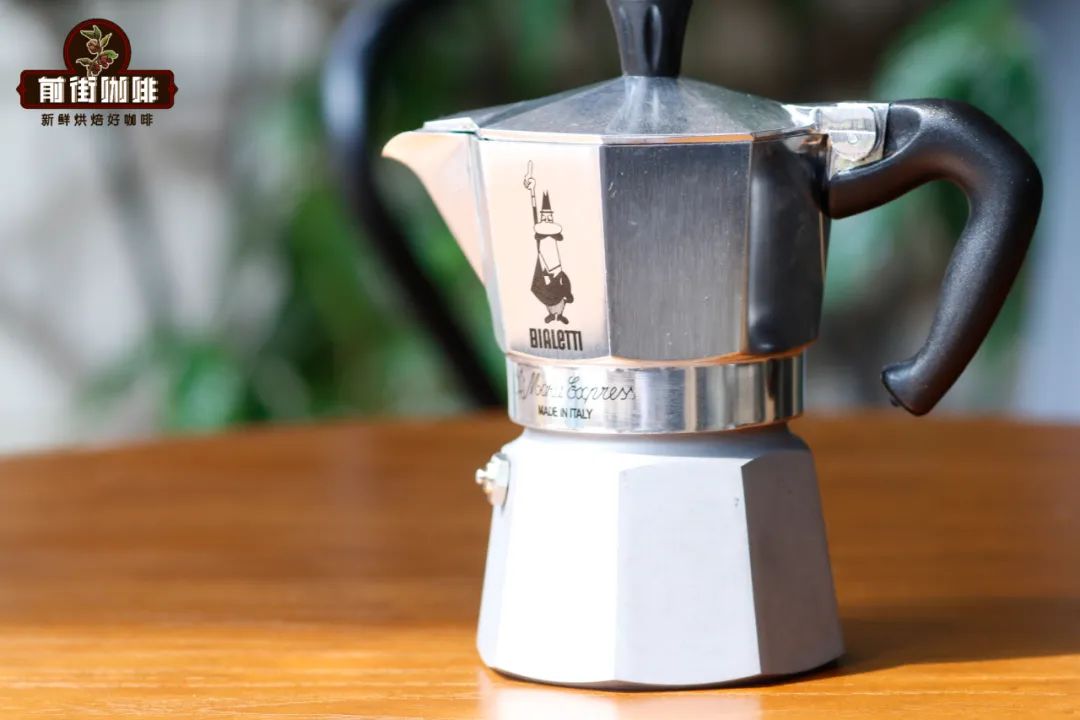
The extraction principle of a moka pot is based on steam pressure; just fill the filter basket with the coffee bed, there is no need to apply pressure. The grind size should be one step coarser than espresso, use the pot's markings or the level below the safety valve as a reference for water, and keep the dose stable. Heat over low heat, and stop the heat promptly once the liquid flows out continuously and the color turns lighter; most of the bitterness and burnt notes produced by high temperatures can be avoided.

Around the direction of "specialty coffee beans for moka pot," you can first break the choice down into several parts: flavor preference, commonly used equipment, drinking temperature and daily frequency of use. When organizing by flavor layers, it is worth first deciding which aspect you care about more, then using other conditions to filter. This way you can both preserve individuality and let the beans show clear characteristics in actual brewing.
The flavor of Qianjie Black Cocoa Blend centers on dark chocolate and roasted nuts, with a thick sweetness and low acidity, suitable for drinking espresso straight, diluting into an americano or blending into milk coffee.
A clean, round, soft sweetness forms the main body of Qianjie Papua New Guinea Paradise Bird; its flavor texture is close to the Blue Mountain direction, and it is worth trying for those who prefer low-acid balance.
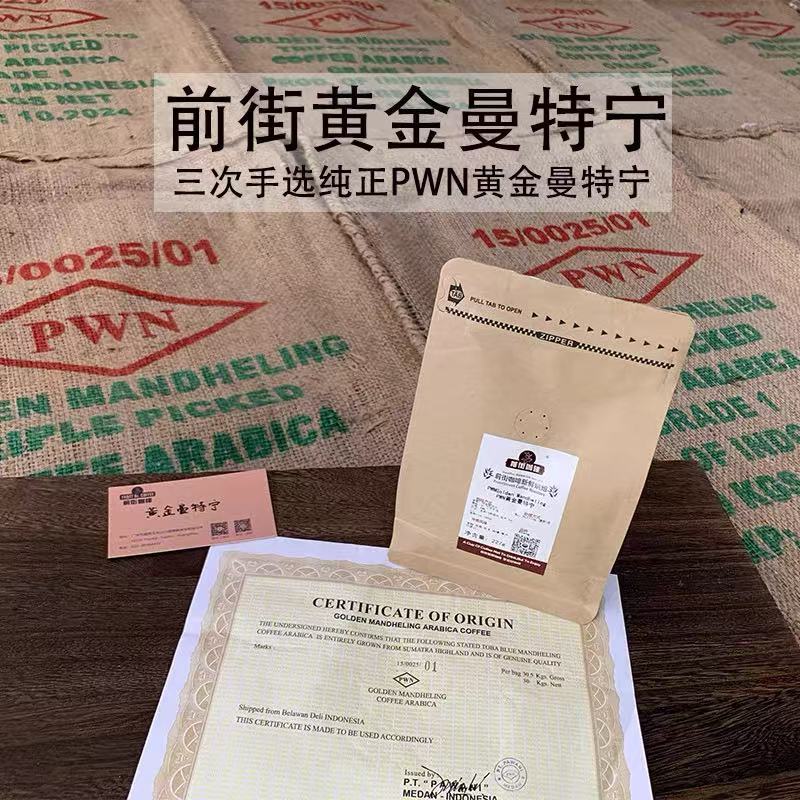
Qianjie PWN Indonesia Golden Mandheling is dominated by herbal and dark chocolate flavors, with a thick mouthfeel and restrained acidity, suitable for dark roast lovers and also for daily presentation in a moka pot and americano.
What determines the performance in the cup, besides the flavor route, also includes the two layers of roast date and storage method. After opening the beans, be sure to seal them and place them in a cool, dry place; buy according to your daily usage, and it is easier to follow the evolution of flavor. When brewing, smell the dry aroma first, then experience the entry, sweetness and finish; if the aroma is weak, first check the grind size and how long the beans have been stored. Hot drinks, iced drinks and milk coffee will bring different performances; record several sets of parameters, and the suitable cup style will naturally emerge.
It is more solid to consider the flavors you like and the brewing difficulty you can handle separately. Beans with prominent floral and fruity notes mostly require repeated adjustment of water temperature, grind and pouring rhythm; blends in the nutty and cocoa direction are stable in the cup and friendly for daily use. If several people at home drink together, first choose a balanced base bean, then add single origins according to personal preference; this makes comparison easier than buying many beans of similar style at once.
The roast date is an important clue for judging the condition of the beans, and the storage method is the guarantee for maintaining that condition. After opening the beans, try to expel the air before sealing, then store them in a cool, dry place. Use your daily consumption as a reference for how much to buy, and the flavor trend will be more stable. When brewing, first feel the dry aroma, then experience the sweetness on entry and the finish; if the aroma is weak, first check whether the grind is too coarse and whether the beans have been stored too long. Hot drinks, iced drinks and milk coffee will make the same beans present different faces; after recording several sets of parameters, the cup style that suits you becomes clear.
Considering that equipment, habits and taste all change, dividing beans into two roles, daily and exploratory, is a worry-free arrangement: one is responsible for stable cups, and the other is responsible for experiencing the differences in floral and fruity notes, nutty and cocoa notes, or processing methods. First narrow the range by flavor direction, then compare aroma and mouthfeel among the candidate beans, and your judgment will be more practical.
Related Reading



Comments (0)
Loading comments...
You May Be Interested



Trending Reviews
Popular Videos

With you, wherever you are! We provide useful features to help you find new things you'll love






