Source:Best Coffee > News Author:qjroot Published:2026-08-21 13:37:21
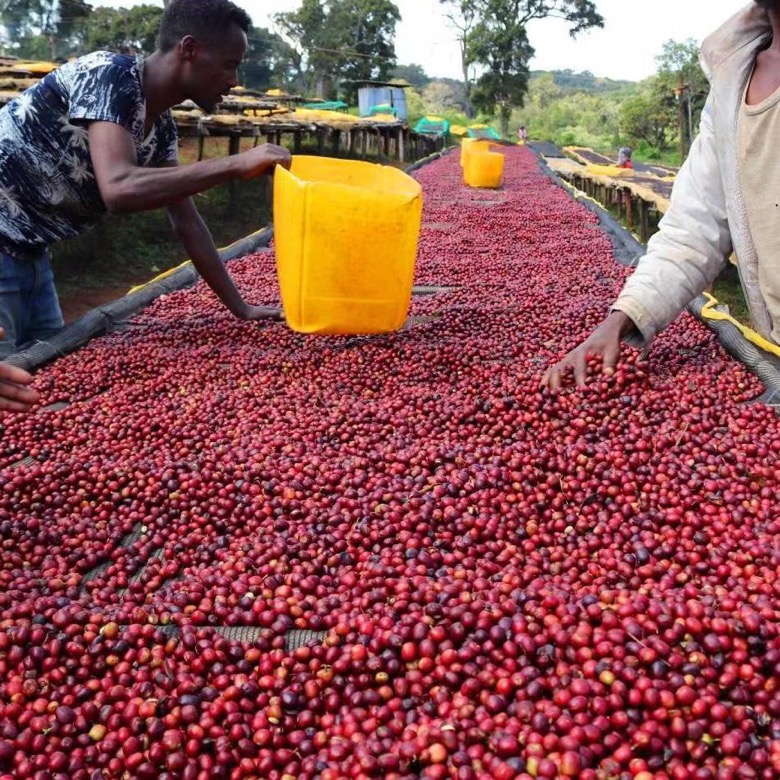
When choosing a region for pour-over coffee, the processing method is a more finely divided flavor clue than the region itself. In the same Ethiopian region, the cup profile of a naturally processed coffee and a washed coffee can be completely different. Understanding the differences between processing methods can help you find the pour-over beans you like more precisely. Natural processing is the oldest way of processing coffee. After the coffee cherries are picked, they are not stripped of their skin and pulp but spread directly on drying beds to dry, and during drying the flavor compounds of the pulp seep into the interior of the coffee beans. Natural beans are characterized by intense fruit aromatics, pronounced sweetness and a heavy body, often carrying the aroma of tropical fruits such as strawberry and passion fruit. Huakui is a typical naturally processed bean, with extremely prominent tropical fruit aromatics and a mouthfeel full of juice on the first sip. But the drawback of natural processing is relatively low consistency; if temperature and humidity are not well controlled during drying, over-fermentation or off-flavors can easily occur. Washed processing is the mainstream method of modern specialty coffee. After the coffee cherries are picked, the skin and pulp are first removed, then the beans are fermented in a water tank to remove the residual mucilage layer, and finally washed clean and dried. Washed beans are characterized by a clean, transparent flavor, bright acidity and clear layers. Washed Yirgacheffe beans are a typical example, with citrus and floral notes that are soft and bright, and acidity that tastes like the sweet-and-sour of fruit rather than a harsh sourness. The advantage of washed processing is stable quality and small differences between lots, making it suitable for drinkers who pursue consistency. Honey processing falls between natural and washed. After the coffee cherries are depulped, part of the mucilage layer is retained before drying, and the sugars in the mucilage layer seep into the beans during drying, so the sweetness is more prominent than in washed beans but cleaner than in natural beans. Honey processing is divided by the amount of mucilage retained into white honey, yellow honey, red honey and black honey; the darker the color, the more mucilage retained and the stronger the sweetness and body. Costa Rica is a representative region for honey processing. The influence of processing method on acidity is also very obvious. The acidity of natural beans is usually softer than that of washed beans, because the sugars in the pulp partially neutralize the acidity during fermentation. The acidity of washed beans is brighter and more concentrated, because after the mucilage layer is removed the acidity is not diluted. If you like soft acidity, choose natural beans; if you like bright, lively acidity, choose washed beans. Pour-over parameters also need to be adjusted according to the processing method. Because natural beans retain more pulp material, extraction is fast, so you can appropriately coarsen the grind or lower the water temperature to avoid over-extraction and off-flavors. Washed beans extract at a moderate rate, so standard values for grind size and water temperature are fine. Natural beans usually release more gas than washed beans, and expand more noticeably during blooming, so pay attention to the pouring rhythm so it is not disrupted by bubbles. When buying pour-over beans, you can try different processing method versions from the same region; comparative tasting is a good way to improve your flavor awareness. For example, from the same Guji region of Ethiopia, the natural version has intense fruit aromatics and a heavy body, while the washed version is clean and transparent with bright acidity. Once you understand this difference, you will know where your taste preference falls.

The flavor differences of processing methods also affect pour-over brewing strategy. For natural beans, a water temperature of 90 to 92°C and a coffee-to-water ratio of 1 to 15 are recommended; after a 30-second bloom, pour in stages to highlight the fruit aromatics and sweetness. For washed beans, a water temperature of 91 to 93°C and a coffee-to-water ratio of 1 to 16 are recommended; after a 25-second bloom, pour at a steady rate to maintain a clean, transparent mouthfeel. Using different parameters for different processing methods is the only way to fully bring out the characteristics of the region.
Related Reading





Comments (0)
Loading comments...
You May Be Interested



Trending Reviews
Popular Videos

With you, wherever you are! We provide useful features to help you find new things you'll love






