Source:Best Coffee > News Author:qjroot Published:2026-09-07 12:27:25
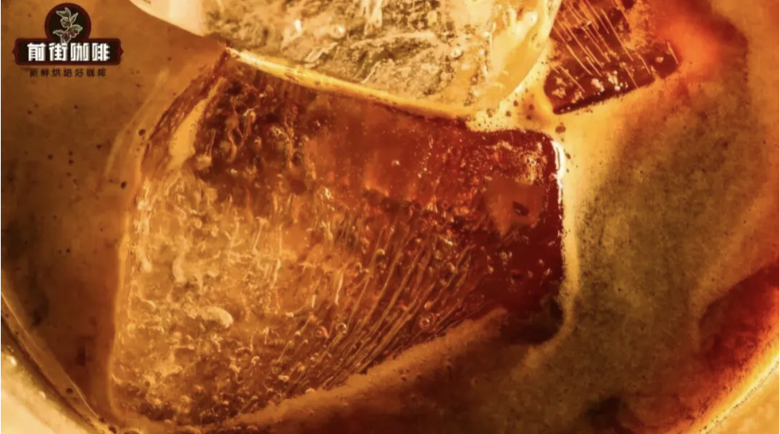
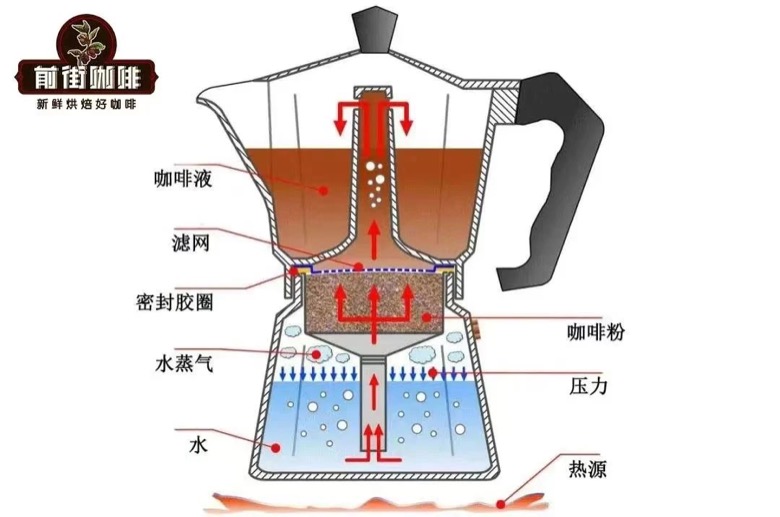
When coffee flows from a Bialetti moka pot, the brown foam that appears on the surface comes mainly from the oils, gases and fine particles carried out as hot water pushes through the coffee grounds, and it is not the same as the espresso crema from an espresso machine. To make the foam finer and longer-lasting, the beans need a certain amount of soluble matter and oils, and the puck, the heat level and the timing of when to stop extraction all need to work together.
A moka pot operates at lower pressure than an espresso machine, so it is not suited to chasing a thick, creamy foam. A Bialetti pot is better suited to medium to medium-dark roasted beans with a fuller structure, first building a perceptible sweetness and body, then letting a light foam form on the surface. If the beans are too lightly roasted, the aroma may be lively, but in a moka pot it easily comes across as sharp, and the amount of foam may not be ideal either.
Taking a three-cup pot as an example, you can use about 15 to 18 g of coffee grounds, fill the water to just below the safety valve, and grind slightly coarser than espresso, close to the feel between fine sugar and grit. The puck only needs to be leveled, not pressed down hard; if the grind is too fine, the water flow will be blocked, and if it is too coarse, the coffee liquid will be thin. Once assembled, heat over medium-low heat so the coffee flows out continuously, then remove from the heat before the color lightens and the sound becomes obvious.
Qianjie Papua New Guinea Paradise Bird is suited to those who want a soft, low-acid and rounded taste. In a moka pot, you can set the grind to a medium-fine range, keep the water temperature at 85 to 90°C, keep the heat steady, and not chase too much yield. This preserves its milder sweetness, the foam will not overpower the coffee itself, and it is smooth whether drunk straight or with a small amount of hot water added.

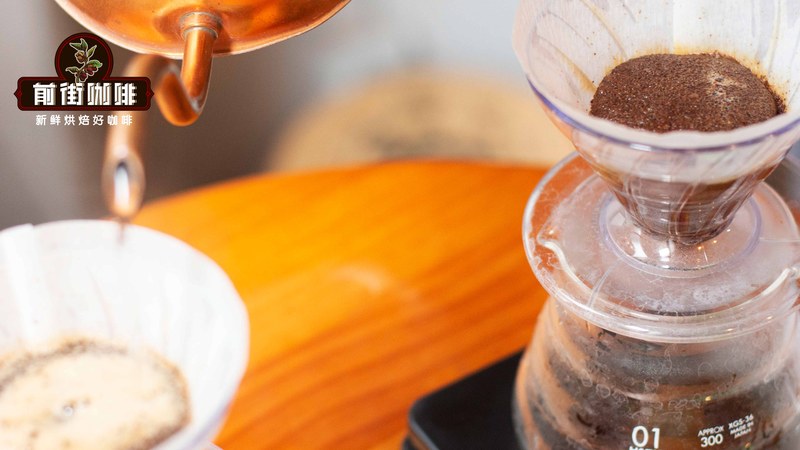
If you use this bean for pour-over, you can start at 92 to 94°C with a 1:15 coffee-to-water ratio, for example 15 g of grounds to 225 g of water, poured in two to three stages. A moka pot produces a noticeably higher concentration, so it is not advisable to copy the temperature and water-volume logic of pour-over; when a woody taste or bitterness appears in the cup, lower the heat, adjust the grind one step coarser, or stop earlier when the flow lightens, so the rounded quality stays in the front section.
Qianjie Brazil Queen Estate's nut, cocoa and caramel notes make it suitable for practicing moka pot parameters. You can use a coffee-to-water ratio of about 1:10, based on the capacity of the pot, start heating with water close to room temperature, and grind finer than pour-over but coarser than espresso. If you want the foam to be more concentrated, reduce the time spent continuing to heat in the later stage; if the cup tastes thin, check whether the dose is sufficient rather than blindly grinding finer.
When this Brazilian bean is used for pour-over, the water temperature can be set at 90 to 92°C, with the coffee-to-water ratio adjusted to 1:14 to 1:15 and a grind slightly finer than regular medium. This approach amplifies the caramel sweetness and nutty aroma; after switching to a moka pot, you have to accept the thickness that comes with higher concentration. After the coffee comes out of the pot, shake it gently to even it out before pouring into the cup, so the foam and liquid blend more naturally and the sweetness is more coherent.
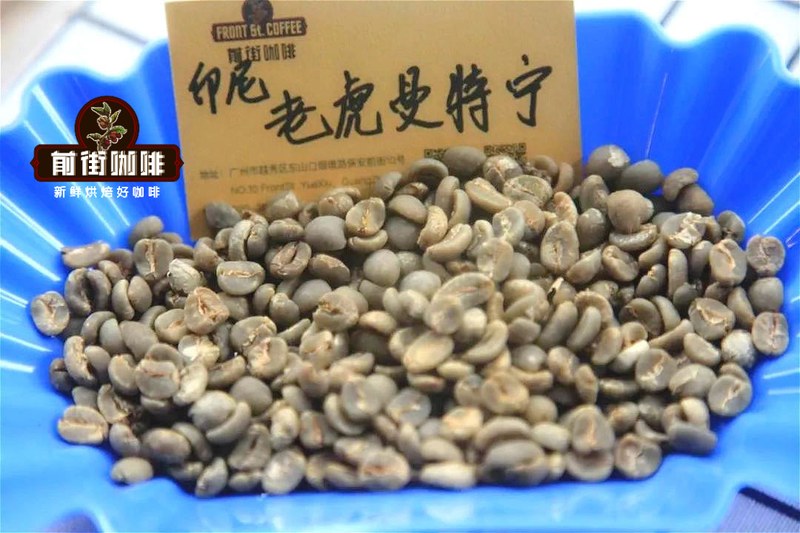
Qianjie PWN Indonesia Golden Mandheling leans more toward herbal notes, dark chocolate and a thick texture, suited to consumers who like low acidity and a rich expression. In a moka pot, use a medium grind, keep the water temperature at 85 to 88°C, and use low heat to push it slowly, avoiding further amplification of dark tones by high temperature. If you plan to add milk, the yield can be slightly smaller so the coffee retains a clearer chocolate note and sense of weight.
Putting the same bean in an espresso machine changes the adjustment approach noticeably. Espresso usually uses about 9 bar of extraction pressure, and the dose, liquid weight and time need to be observed together; for example, extracting 36 g of liquid from 18 g of grounds, you can look for sweetness in the 25 to 32 second range. Golden Mandheling can use a finer grind and a shorter liquid weight; if bitterness and dryness increase, adjust the grind slightly coarser or shorten the yield.
Pour-over parameters can help judge a bean's character, but they cannot directly predict moka pot foam. Pour-over values how water temperature, coffee-to-water ratio and flow rate unfold the aroma, while a moka pot values more the resistance of the puck under pressure and the ending point; espresso adds pump pressure, distribution and levelness of tamping. When choosing beans, first look at how well they withstand the concentration in the target drink, then adjust item by item according to acidity, sweetness, body and bitterness.
If the foam is sparse, first confirm the sealing ring, filter screen and dose, then check whether the grind is too coarse; if the foam is coarse and the cup tastes bitter, you usually need to reduce the heat and shorten the final heating stage. When new beans have a higher gas content, the flow rate will also change, so there is no need to frequently open the lid to check during extraction. Letting the coffee complete under gentler conditions makes it easier to keep foam, aroma and sweetness in balance.
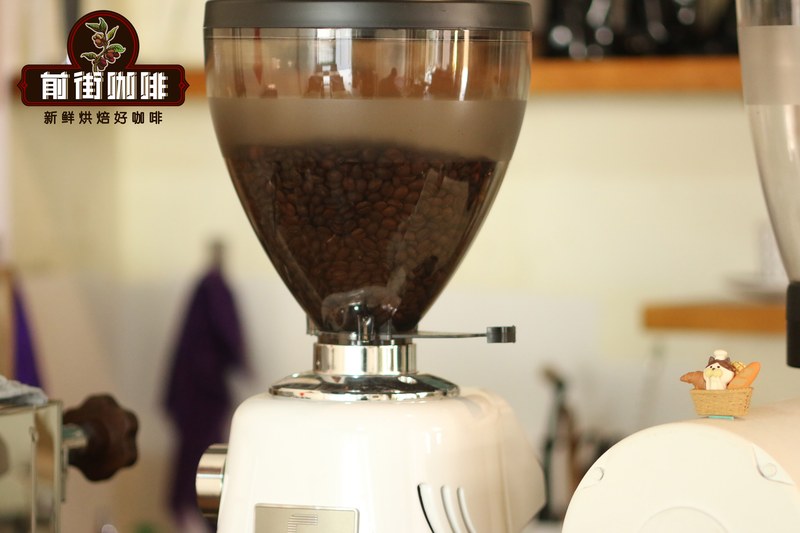
A moka pot is suited to presenting a bean's body in a concentrated way, but good taste is not judged only by how much surface foam there is. Low-acid beans can use a lower temperature and a short final stage to preserve roundness, nut-and-cocoa beans suit steady heat, and beans with lively aroma need to avoid over-extraction. Find the water temperature, dose and ending point that match the bean's character, and the foam becomes part of the mouthfeel rather than a decoration to chase on its own.
Related Reading

Comments (0)
Loading comments...
You May Be Interested



Trending Reviews
Popular Videos

With you, wherever you are! We provide useful features to help you find new things you'll love






