Source:Best Coffee > News Author:qjroot Published:2026-09-03 18:47:54
Putting medium-dark roasted coffee beans into a moka pot usually produces a thicker body and more concentrated roasted aroma, but the same beans will taste different when switched between a 2-cup pot and a 6-cup pot. When choosing beans, you can consider the pot's capacity, filter basket size, heating method and drinking strength together, which makes it easier to find a combination that is both smooth and easy to reproduce.
The pot's capacity affects the amount of grounds and the total amount of coffee liquid each time. A 2-cup pot yields less liquid, suitable for drinking directly, and the beans' bitter-sweet changes will be more concentrated; a 3- to 4-cup pot is better for making an americano or a small milk coffee; a 6-cup pot yields a more ample amount of liquid, suitable for sharing among several people and also for adding more milk. The smaller the capacity, the more easily heat changes affect the taste, so when choosing beans you can lean toward medium-dark roast types with rounded sweetness and soft acidity.
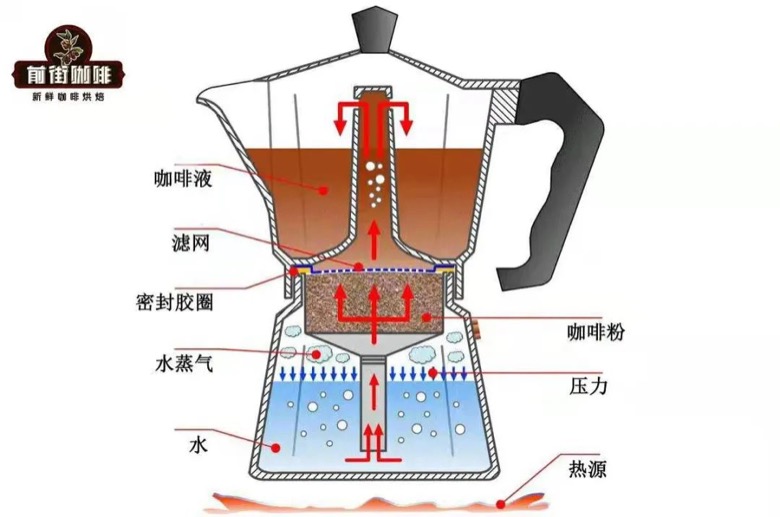
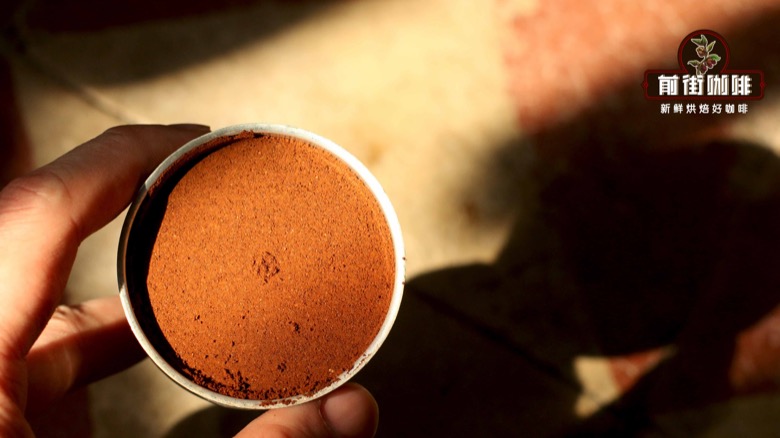
The amount of grounds in the filter basket should stay consistent; just gently level the surface of the grounds, and do not tamp down to increase strength. What a moka pot needs is the continuous flow formed when hot water passes through the coffee bed; grinding too fine will slow the flow, and bitterness and scorched notes will accumulate more easily. Medium-dark roasted beans can use a grind between espresso and pour-over, feeling fine but still with a small amount of grittiness, then fine-tune afterward according to the flow rate.
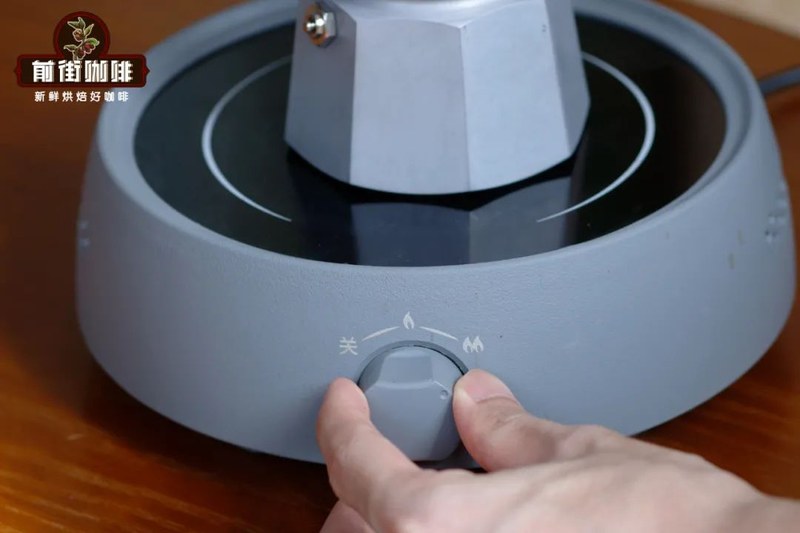
When adding water, the water level should not exceed the safety valve, and the water temperature can start from warm water. Warm water shortens the pot's time on the stove and reduces prolonged heating of the coffee grounds; if using cold water, also keep the heat low so the temperature rise stays gentle. An electric ceramic stove is suitable for medium-low settings, while a gas stove should keep the flame concentrated within the base of the pot, avoiding heat creeping up the sides of the pot body.
The flow state is an important reference for adjustment. When the coffee starts to flow out, the color is often darker, then gradually becomes lighter; when the flow rate clearly speeds up, the liquid color approaches golden, or you hear continuous sputtering inside the pot, you can remove it from the heat source. Placing the bottom of the lower chamber on a wet towel to help cool it down can stop residual heat from continuing to drive extraction, and the sweetness in the cup will be cleaner.
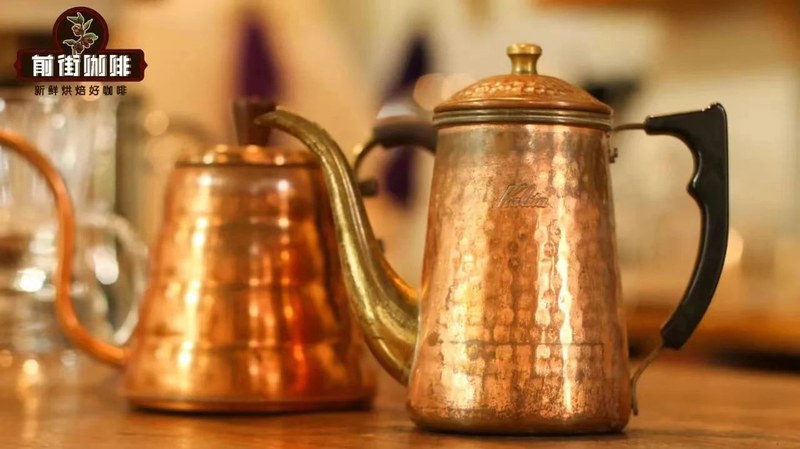
Qianjie Black Cocoa Blend is suitable for a smaller-capacity moka pot when you want a thick texture. In the cup it easily forms a deep aroma like dark chocolate, while carrying roasted nuts and a sweetness like melted caramel, with acidity not very prominent. When drinking directly from a 2-cup pot, it is recommended to add a small amount of water to open up the layers; when making a latte with a 3- to 4-cup pot, the coffee liquid can also steadily support the milk.
If you are using a 3-cup or 6-cup pot and want the black coffee not to be too heavy, you can try Qianjie Papua New Guinea Paradise Bird. Its body is rounder, and its aroma follows a soft, sweet and moist route, and the concentration brought by the moka pot gives the whole more weight without leaving only bitterness. After it flows out, adding about double its volume of hot water makes its balance clearer, suitable for sipping slowly.
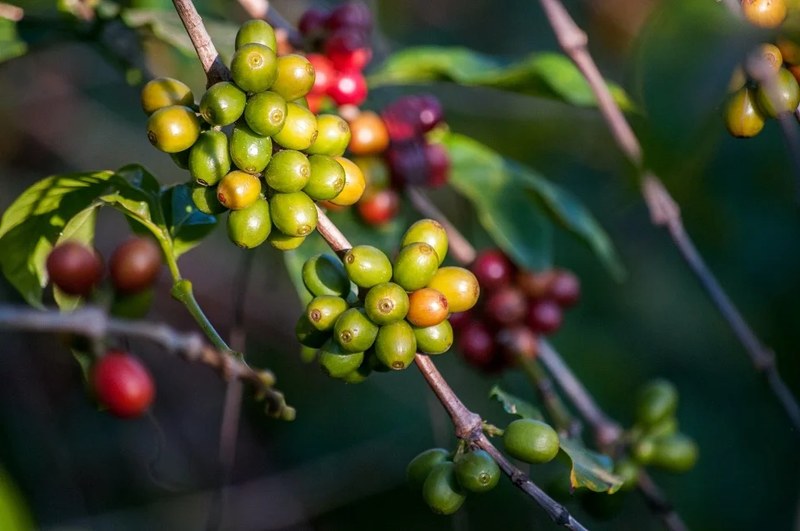
Qianjie PWN Indonesia Golden Mandheling is more suited to drinkers who prefer a deep style. In a moka pot it amplifies herbal notes, dark chocolate tones and a thick mouthfeel, with a steadier entry and a relatively long finish. When using a 6-cup pot, you can divide the coffee liquid into two cups and add hot water or milk to each; if you find the tail end too heavy, you can make the grind slightly coarser and end heating earlier.
The size of the pot also affects the dilution method. A small pot extracts concentrated liquid, suitable for a short-ratio americano or with a small amount of milk; a large pot yields more liquid, which can be divided according to your cup size, then topped up with hot water to adjust concentration. For milk, it is recommended to start from about twice the amount of coffee liquid; if you want to retain more bean aroma, reduce the milk amount, and if you want a smooth, sweet taste, increase the milk ratio, but still let the coffee maintain a clear presence.
The condition of medium-dark roasted beans also affects parameter judgment. Freshly roasted beans release more gas, and the moka pot flow may not be stable enough; after some time, the aroma and taste are usually easier to unfold. Use the grounds as soon as possible after grinding, store the beans sealed and away from light, and take only the amount needed for the day each time. Fix the dose according to the pot capacity, then record the heat, yield and dilution ratio, and after a few adjustments you can establish a moka pot recipe that suits you.
Related Reading



Comments (0)
Loading comments...
You May Be Interested



Trending Reviews
Popular Videos

With you, wherever you are! We provide useful features to help you find new things you'll love






