Source:Best Coffee > News Author:qjroot Published:2025-03-29 12:21:09
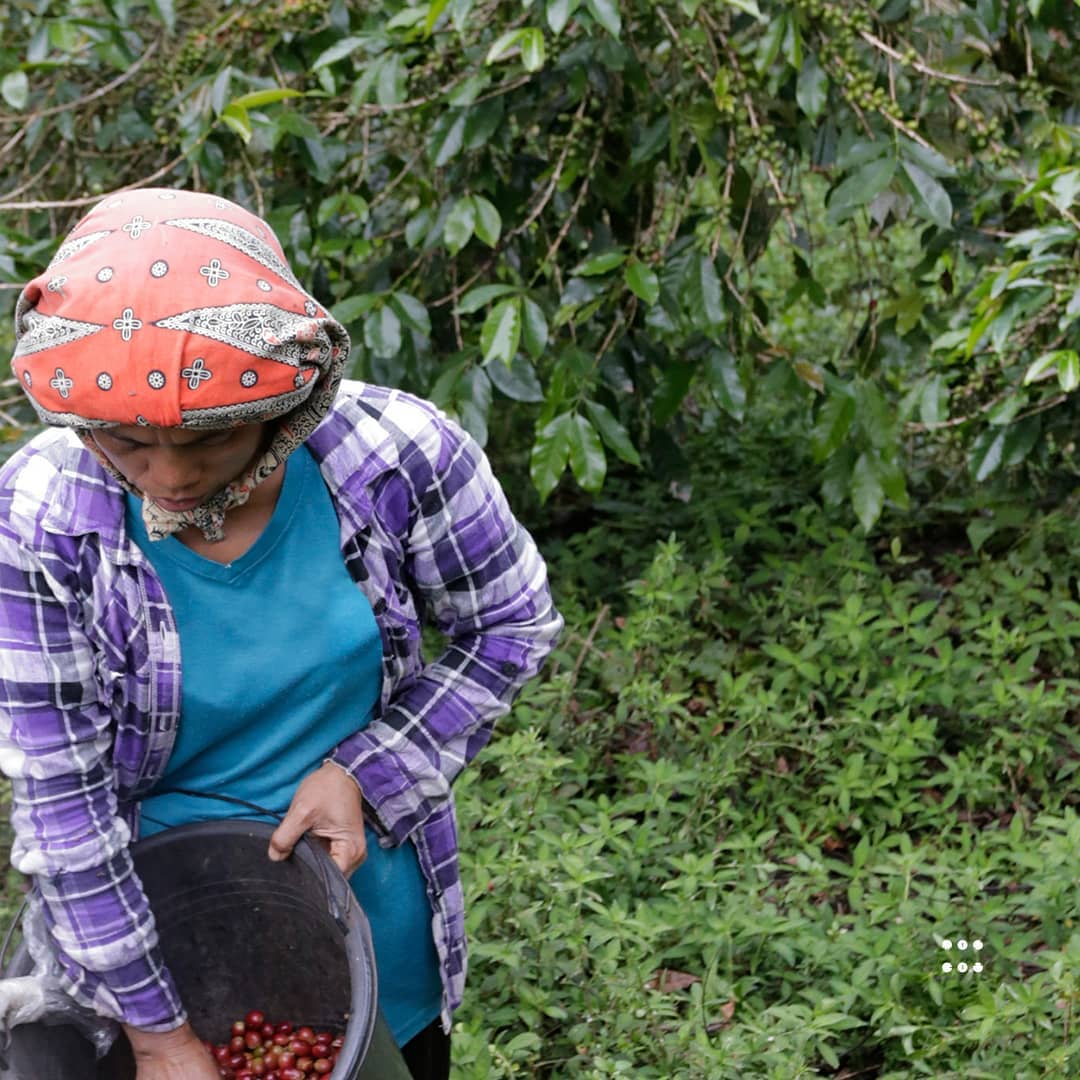
Asia is the largest and most populous of the seven continents, with dramatic changes in terrain, high in the center and low around the edges, and mountains, plateaus and hills making up more than 3/4 of its total area. The Asian continent also spans the frigid, temperate and torrid zones, giving it complex and diverse climate types. It is fair to say that many countries in Asia are suitable for growing coffee, among them the "country of ten thousand islands" - Indonesia.
As early as the 17th century, the Dutch colonial government planted the first coffee trees near Batavia (present-day Jakarta) in Indonesia. Although these seedlings were destroyed in a flood, the second batch of seedlings successfully bore fruit and went on to grow and reproduce.
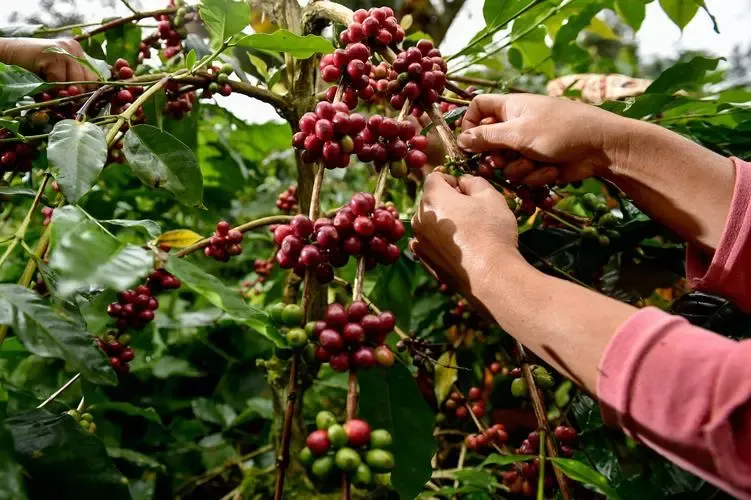
By the early 18th century, ships of the Dutch East India Company exported the first batch of coffee from the port of Java to Europe, and after that the Indonesian government exported thousands of pounds of coffee abroad every year. At the time, only Arabica varieties were grown in Indonesia, but in the 1860s coffee leaf rust (CLR) destroyed most of Indonesia's coffee crop, so most farmers switched to the more disease-resistant and easier-to-grow Robusta, replacing Arabica trees. Today Robusta accounts for 85% of total production in Indonesia, while Arabica accounts for 15%.
As the world's fourth-largest coffee-producing country, Indonesia can achieve such high output because the country is rich in natural resources. Unlike other coffee-producing countries, this Southeast Asian nation is made up of 17,508 islands, making it the world's largest archipelagic country, spanning Asia and Oceania.Indonesia straddles the equator and has a tropical rainforest climate, with rain throughout the year, warm and humid, and an average temperature between 25°C and 27°C; under the influence of the monsoon it is divided into a dry and a wet season.
As a country of many volcanoes, Indonesia has more than 500 volcanoes across its territory, along with numerous rivers, lakes and forests, with a forest coverage rate of 67.8%, making it an ideal area for growing coffee. At present, coffee trees are grown on several islands in Indonesia, and the producing regions are also divided by island, such as Sulawesi, Bail, Java and Sumatra.
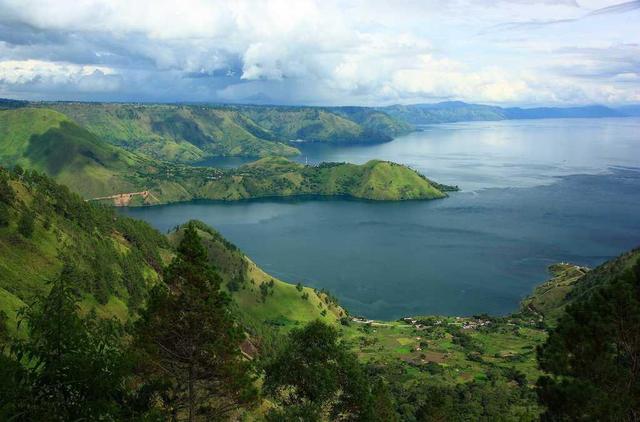
Among them, Sumatra is the largest island in Indonesia and the one with the highest coffee production, with a typical tropical rainforest climate, high temperatures and rain all year round, and coffee trees are generally planted on the slopes of mountain forests. The coffee beans produced by the Gayo mountain in Aceh can be said to be the finest in the entire Sumatra region, most of them old tree varieties, at higher altitudes, between 1,500-2,500 m.
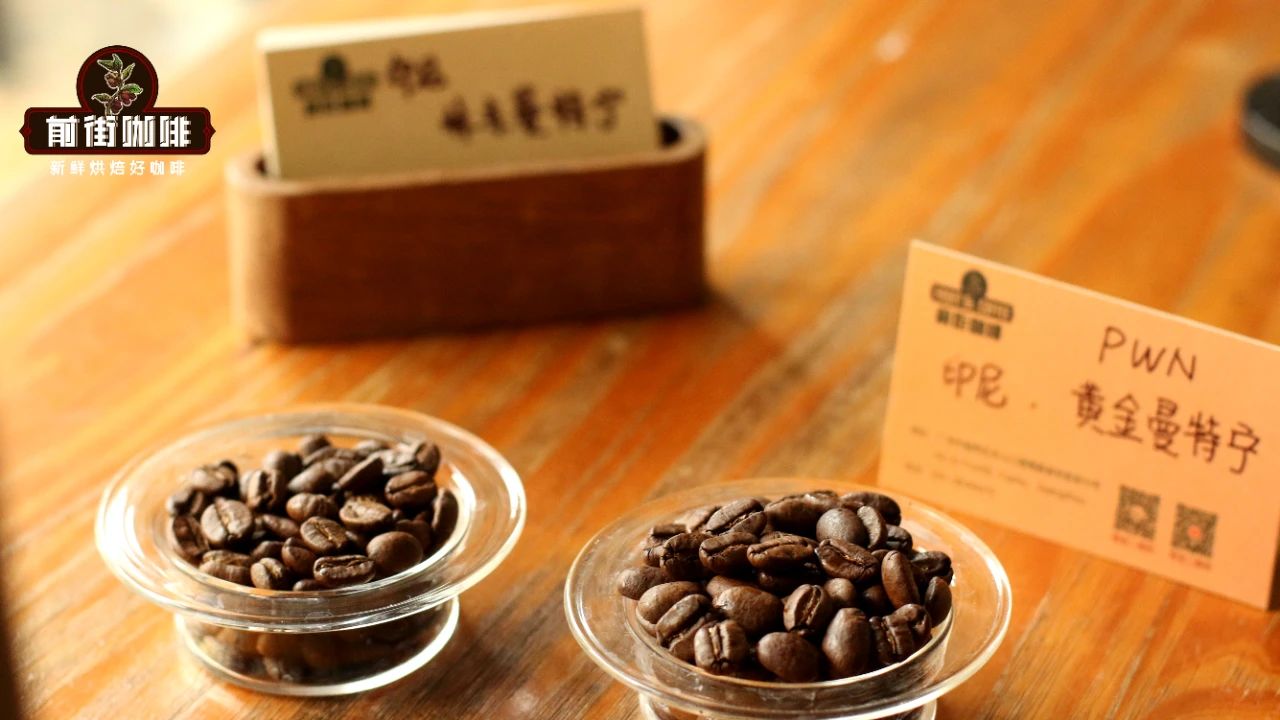
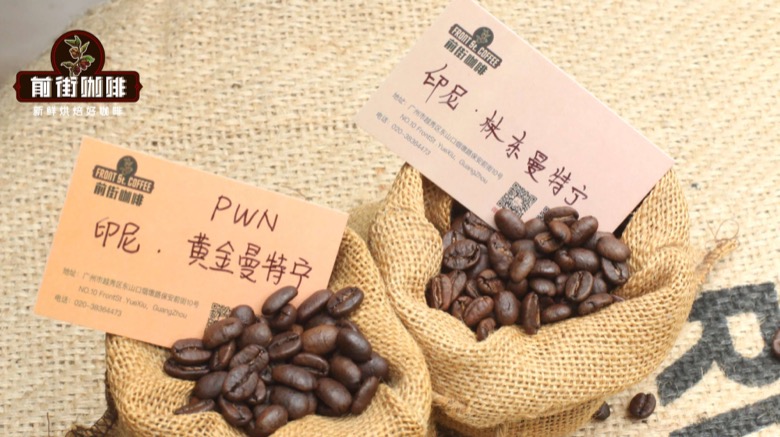
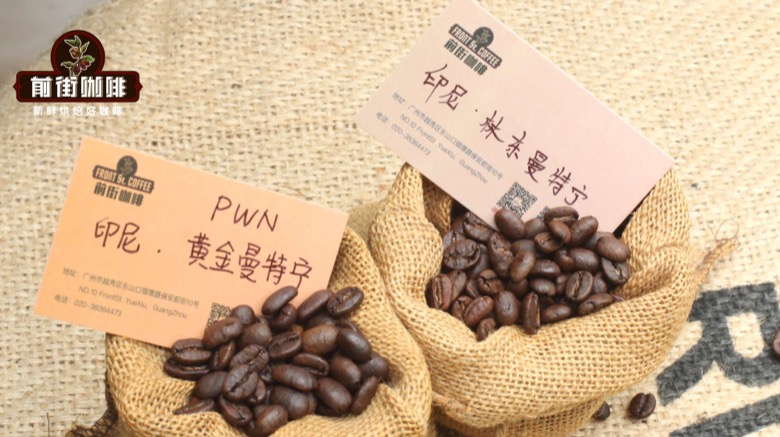
In addition, the Lintong producing region, which produces Mandheling coffee, is also quite famous. The Lintong producing region is located beside Lake Toba in Sumatra, with a growing altitude between 1,400-1,800 m. Although the coffee beans here are not as good in quality as those from Gayo mountain, thanks to the locally unique wet-hulling method the coffee has a flavor with low acidity and high body. Qianjie believes that Lintong Mandheling is the basic version of Mandheling coffee, so it launched an Indonesian everyday-drinking bean selected from Lintong wet-hulled Mandheling, so that everyone can taste the flavor of this producing region at the lowest price.

FrontStreet Coffee: Indonesia Lintong Mandheling Coffee Beans
Region: Sumatra, Indonesia
Grade: G1
Altitude: 1100m--1600m
Variety: Ateng TimTim
Processing method: wet-hulled process
Flavor: nuts, spices, chocolate, caramel
Java lies south of the equator and is the fifth-largest island in Indonesia. The island is long and narrow as a whole, with terrain dominated by mountains and hills; between the mountains are mostly broad basins. It has many rivers and more than 100 volcanoes, so the island's soil is fertile and its natural conditions are good. It remains a developed farming region today, with a cultivated land rate of 70%, and the island is also the country's earliest coffee-growing region.
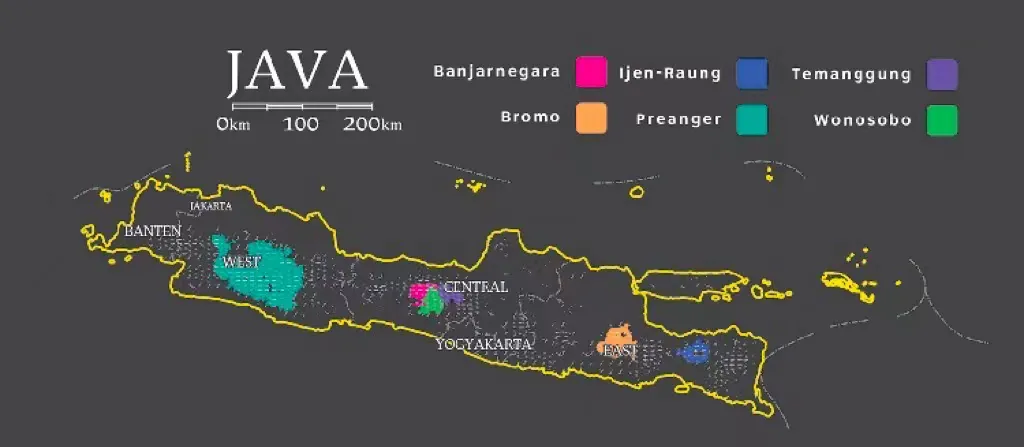
The whole island consists of West Java, Central Java, East Java, the former capital of Jakarta (the capital was relocated to Nusantara in 2024), and the two special regions of Yogyakarta, while coffee cultivation is distributed across the entire island. In West Java, coffee is grown in the Preanger region; in Central Java, it is grown in Banjar Negara, Wonosobo and Temanggung, all three of which surround the Merapi volcano; in East Java, the island's largest and most important production area, coffee is grown in the areas around the Bromo volcano and the Ijen volcano.
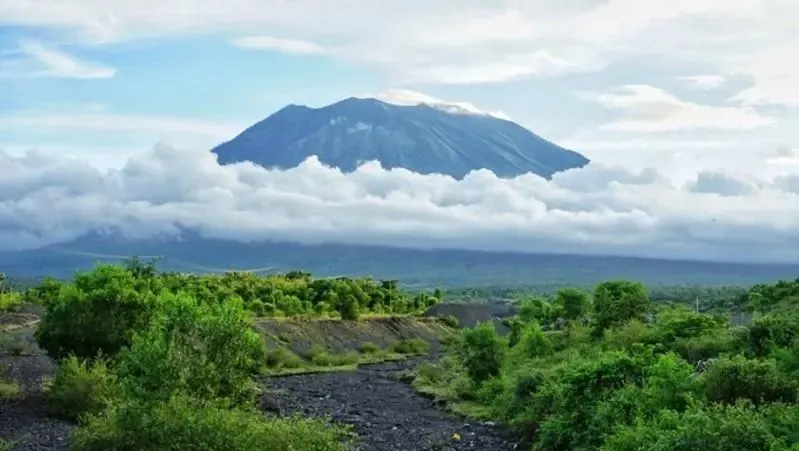
The growing altitude is between 900-1800TypicaTim TimAteng (the local name), USDA 762
Related Reading
Comments (0)
Loading comments...
You May Be Interested




Trending Reviews
Popular Videos

With you, wherever you are! We provide useful features to help you find new things you'll love






