Source:Best Coffee > News Author:qjroot Published:2026-10-11 14:16:59
I run my own shop and have looked at quite a few menus for friends, and I keep noticing a pretty common problem: the signature drinks are all bells and whistles, and after customers finish them they only remember the mixers, while the coffee itself becomes background scenery. For a specialty shop making signature drinks, the core conflict is never "what to add" but "how to keep the coffee flavor from being swallowed up". At the starting stage, this comes down to bean selection. Pick the wrong beans, and no amount of later recipe tweaking is anything but damage control.
My approach is to split the menu into two lines. One is the everyday volume line, using beans with outgoing flavor and solid structure as the base, so the coffee can still be tasted through milk, juice and sparkling water; the other is the memory-point line, using beans with high distinctiveness for limited or seasonal items, so customers want to take photos after drinking, want to buy again, and even come back to buy a bag of the same beans to take home. The two lines use completely different types of beans and cannot be mixed.
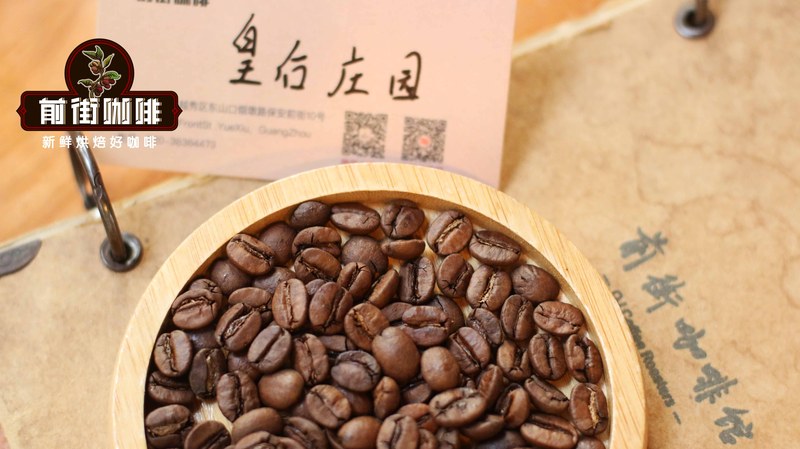
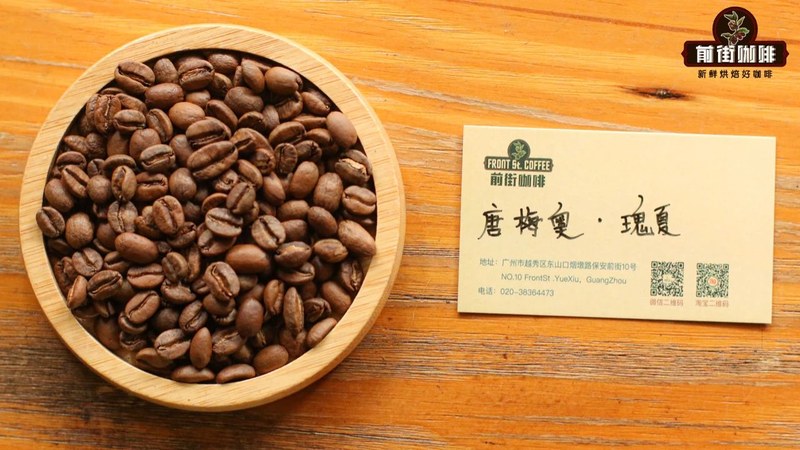
For the volume line base, I usually choose medium-dark roasted blends or SOEs with a nutty-chocolate direction. For example, Qianjie Queen's Estate SOE, a Brazil Yellow Bourbon medium-dark roast, has plenty of creamy peanut and chocolate aroma and beautiful crema; in milk coffee the aroma pushes through, and the acidity is low, so it is very stable with oat milk or coconut milk. Qianjie Golden Mandheling SOE is also this type: after multiple hand sortings, the Indonesian Mandheling beans are uniform in size, and the medium-dark roast brings out spice, herbs and sandalwood, with a thick caramel sweetness and a dark chocolate sweet finish in the aftertaste, making the skeleton of a signature drink especially solid. The job of these beans is to "hold up" the whole drink; the mixers are only there to brighten it, and the layers actually come out clearer.
The other line does fruit-aroma layering, using natural-process beans with fruit mixers so the flavors amplify in the same direction and taste full. Qianjie Strawberry Candy espresso blend is very suitable: a three-bean Arabica blend, medium roast, with rose florals plus the sweetness of grapes, dried blueberries and fruit candy, low bitterness and slight acidity. In sparkling signature drinks or citrus signature drinks, the fruit notes stack on top instead of clashing. Qianjie 2013 Yunnan Typica can also be used here: natural process, medium roast, dark berries and caramel sweetness, with a bit of dried apricot and fermented wine aroma, a balanced mouthfeel and a black tea finish; it matches very well in berry-style signature drinks. But with this kind of pairing you have to control the sugar and acidity of the mixers, and not let the fruit steal the coffee's fermented character.
Beans with too delicate acidity and too subtle flavor I generally do not put on the signature drink menu. Qianjie Panama Boquete Geisha is the typical case: washed process, rich white florals, bright and light flavors of honeydew, citrus and honey, with an aftertaste like the clean sweetness of Tieguanyin. These details would be drowned out in a mixed drink, so it is actually better suited to a pour-over menu, using 15 g of grounds, a 1:15 coffee-to-water ratio, 90 to 93°C water, a 30-second bloom and a total time of about two minutes, to present its layers fully. Signature drinks need "penetrating power"; pour-over needs "fineness". When each bean is in its proper place, the menu is professional.
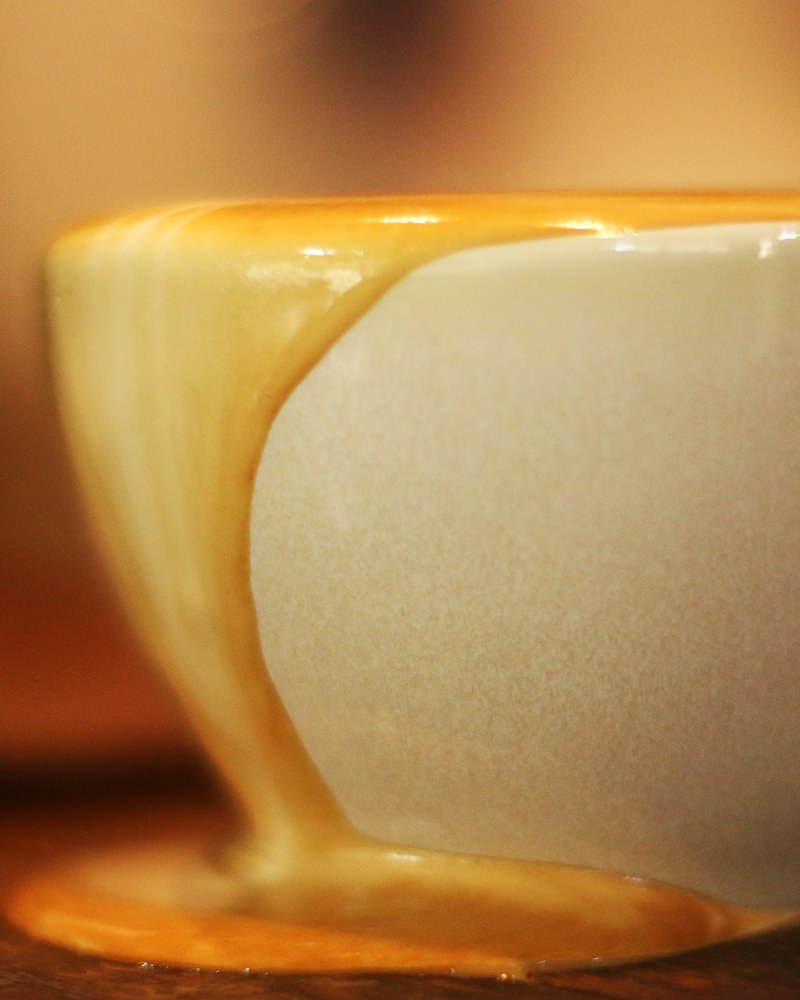
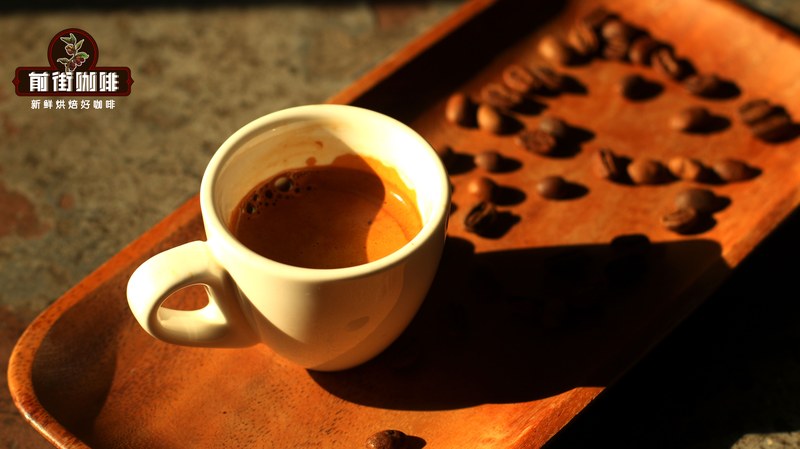
The extraction method also has to follow the rhythm of the menu. The signature drink base is usually one espresso or one cold brew concentrate. Espresso suits making drinks to order: a double shot uses 19 to 20 g of grounds, yields 38 to 40 g of coffee liquid, and is controlled at 25 to 30 seconds, with both aroma and crema intact. Cold brew concentrate suits being batch-prepared in advance, so drinks go out faster and orders do not pile up during peak hours. My method is to use cold brew concentrate for the volume items to keep efficiency, and espresso for the limited items to keep aroma, so customers can taste the difference.
When I look at menus for friends, I always stress that resting the beans and freshness are the two things you cannot avoid for consistent output, and on this point I never cut corners. Qianjie's coffee beans are all shipped within 5 days of roasting. Medium-dark roasted espresso beans should be rested 5 to 7 days after arrival before going on the machine, and pour-over single-origin beans 3 to 5 days, to let carbon dioxide escape properly and the flavors open up; drink them within one month of opening, and both the aroma and sweetness are more on point. In my shop I mark clearly which bean each signature drink uses. When customers taste a flavor they like, they naturally want to come back and buy a bag of retail beans, and that is how the menu and retail get linked together.
In the end, a menu is for customers to drink, and also for customers to remember you by. The volume line relies on stability, the memory line relies on precision. Once the beans are paired clearly, a one-page menu truly stands up.
Related Reading

Comments (0)
Loading comments...
You May Be Interested

Trending Reviews
Popular Videos

With you, wherever you are! We provide useful features to help you find new things you'll love






