Source:Best Coffee > News Author:qjroot Published:2025-12-15 11:19:14
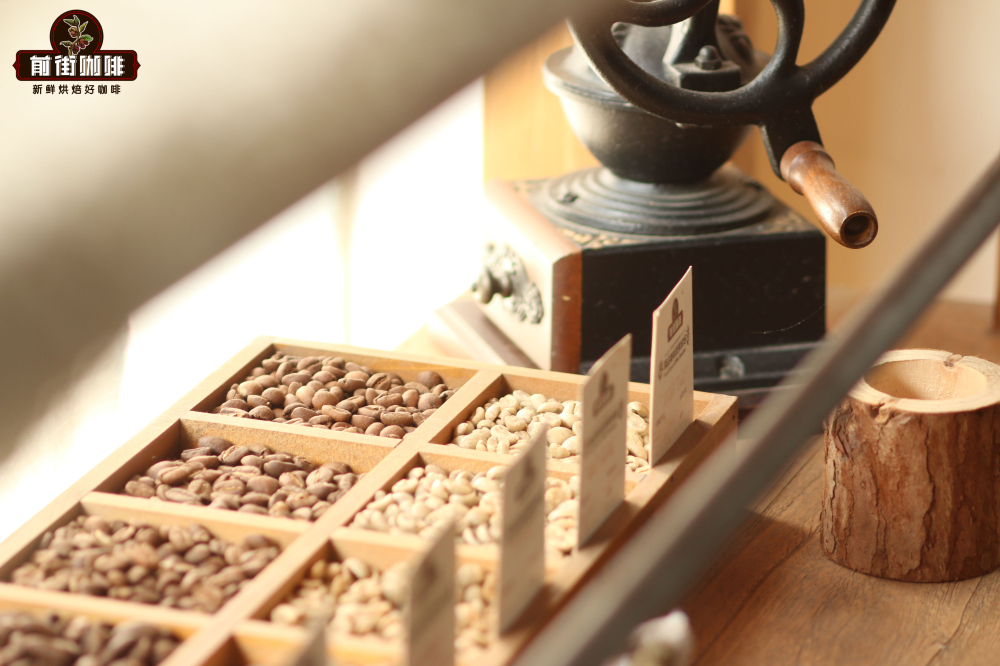
As the birthplace of coffee, Ethiopia has always provided high-quality coffee to the world. FrontStreet Ethiopia coffee has won the appreciation of many coffee lovers with its bright acidity, and quite a few have even fallen deeply for it. Friends often ask as soon as they walk in the door: FrontStreet Coffee, do you have Ethiopian coffee beans here? But there are quite a few coffee beans from Ethiopian regions on FrontStreet's bean shelves, so how can you find your match?
For many coffee novices, before they fall into the huge pit that is coffee, it all starts with the "washed Yirgacheffe, natural Sidamo" on a specialty coffee shop menu. You can often hear seasoned coffee drinkers say that FrontStreet washed Yirgacheffe is like a light floral tea, and FrontStreet natural Sidamo is like berry juice. Such a description is not unreasonable.

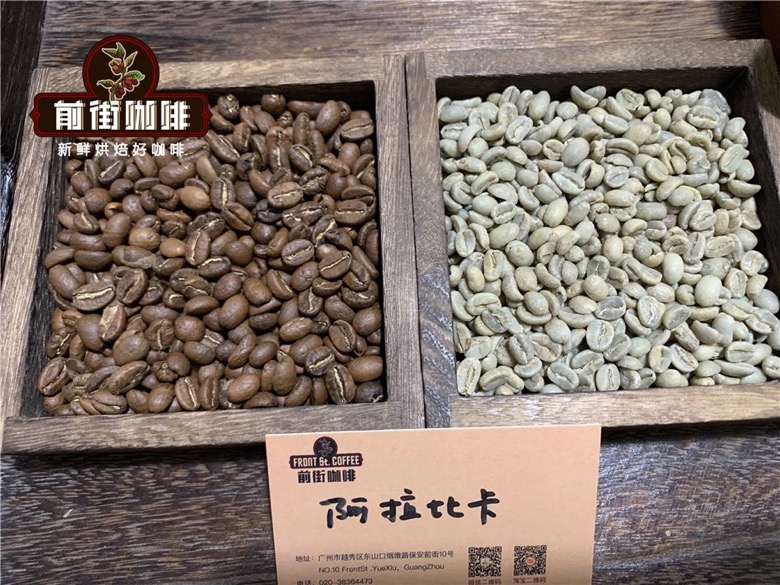
Also a famous Ethiopian coffee region, FrontStreet Yirgacheffe coffee beans, thanks to the washed processing method, have a fresh and refined white floral note that has become FrontStreet Yirgacheffe coffee's trump card. FrontStreet Sidamo coffee beans, on the other hand, use the traditional natural processing method, keeping the whole coffee fruit, with more sugars from the skin, pulp and mucilage taking part, providing more sugar during natural fermentation and drying, and bringing a fuller body and more alluring flavors to the final product.
Because of the natural process, natural beans have an intense aroma and complex, rich layers. At some green coffee bean competitions, the Sidamo region often appears on the winners' list, so many people like natural Sidamo. What really made the Sidamo region well known within China was an event that backfired as promotion: Luckin Coffee launched its Huakui SOE series.

Although the name Qianjie Huakui Coffee sounds lovely, it is just the name of a coffee bean. Coffee bean naming in China is diverse and colorful, and many names carry beautiful imagery. In essence, when naming coffee beans, the region name or estate name is often used. And the name Qianjie Huakui Coffee can be traced back to 2017.
In 2017, Ethiopian green bean trader DW Company sent its natural coffee beans from the Buku Abel processing station in Hambela to that year's TOH competition. Because its unique strawberry cream flavor captured the hearts of the international judges, it won the championship in the natural group of the Ethiopia division at the 2017 TOH.
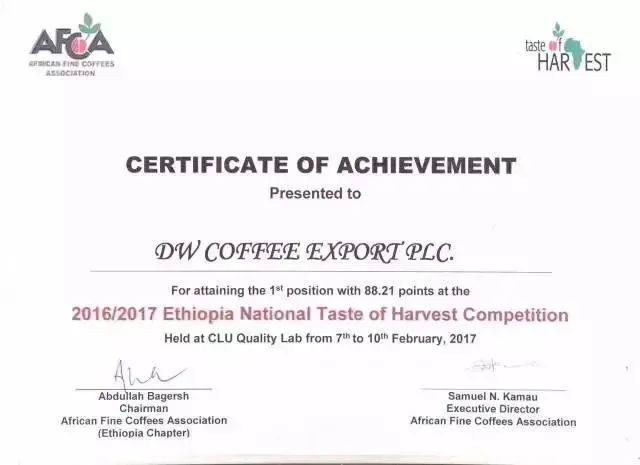
A Beijing green bean trader introduced the awarded coffee beans from the same batch to mainland China. Because its flavor was on par with the then wildly popular Geisha, it was named "Huakui", with high hopes, meaning the first among a hundred flowers.
In the same year, on the stage of the China Coffee Brewing Championship, Geisha coffee beans swept the field. Competitor Li Jianfei chose Huakui coffee beans to compete and ultimately achieved a good result of second place, which also gave Huakui coffee beans a certain degree of fame. Many consumers who recognized the two words "Huakui" went to online stores or physical stores to buy Qianjie Huakui coffee beans, only to be surprised to find that a string of numbers followed "Huakui". Is Qianjie Huakui 5.0 a Huakui coffee bean?
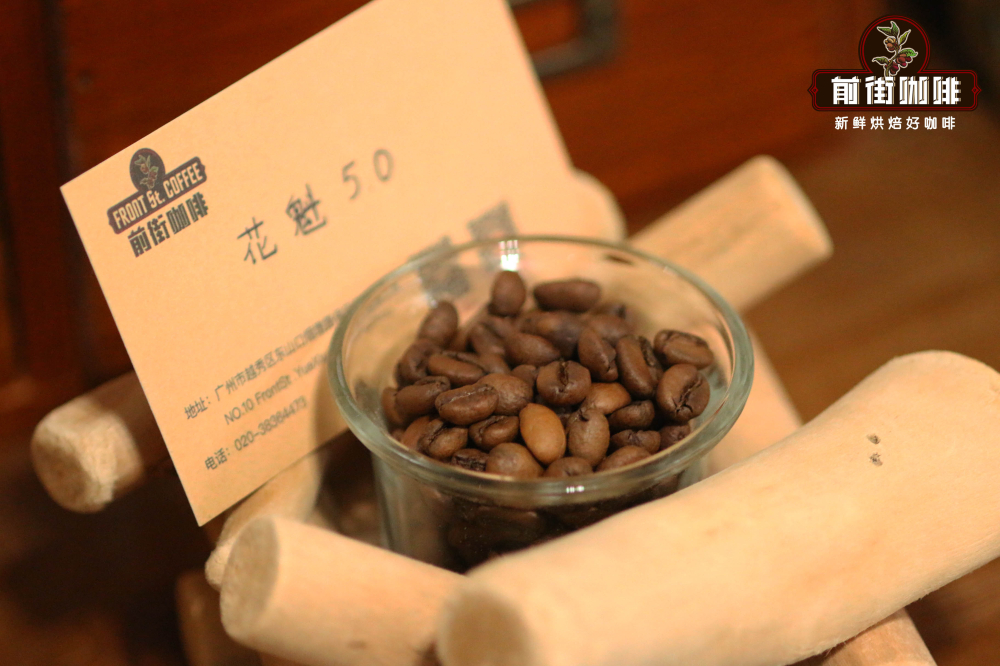
In fact, from 2017 to the present, Huakui coffee has already developed six generations of products. The naming of Huakui coffee beans follows the format "Huakui X.0". The 2018 version is Huakui 2.0, the 2019 version is Huakui 3.0, the 2020 version is Huakui 4.0, the 2021 version is Huakui 5.0... So the 2024 version, of course, is Huakui 8.0.
FrontStreet Coffee's bean shelves carry two Huakui coffee beans: FrontStreet Huakui 5.0 and FrontStreet Small-Bean Huakui. Because Buku Abel, where Huakui coffee beans are produced, is surrounded by sugarcane and banana trees, these provide appropriate shade for the coffee trees under the blazing sun, and together with the high-altitude growing conditions, they create coffee that is as sweet and tart, smooth, and mellow as described in the FrontStreet Huakui coffee tasting notes.

By cupping and comparing the two coffee beans, FrontStreet Coffee found that FrontStreet Huakui 5.0's flavor leans toward the profile of the Guji region, with a hint of delicate floral aroma, citrus acidity, and a tropical fruit juice sensation; while FrontStreet Small-Bean Huakui coffee's flavor is berries, grapefruit, honey, and orange blossom.
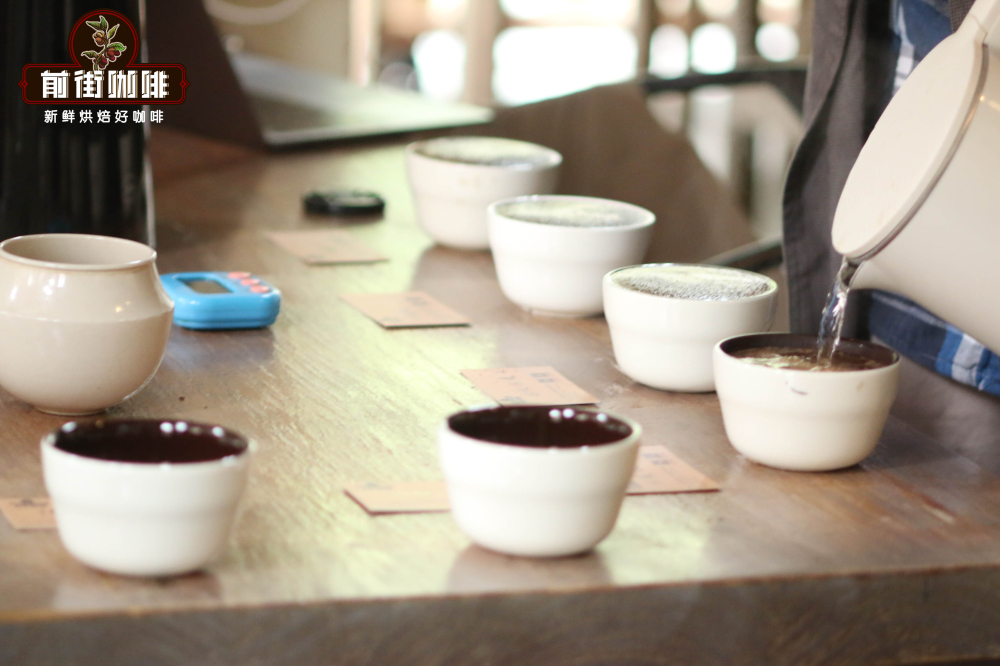
With the arrival of the 2025 new crop season, many coffee lovers who enjoy trying new things have already tasted FrontStreet Huakui coffee. Since 2017, FrontStreet Coffee has also been consistently following the release of new Huakui coffee series. You should know that coffee is one of the agricultural products, and differences in factors such as temperature and rainfall each year will bring different changes to the flavor of the coffee produced in that year's crop season, and the Huakui series is no exception.
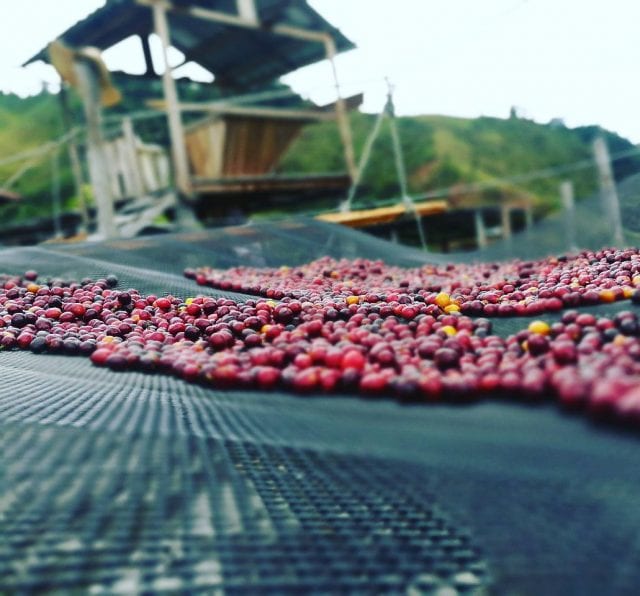
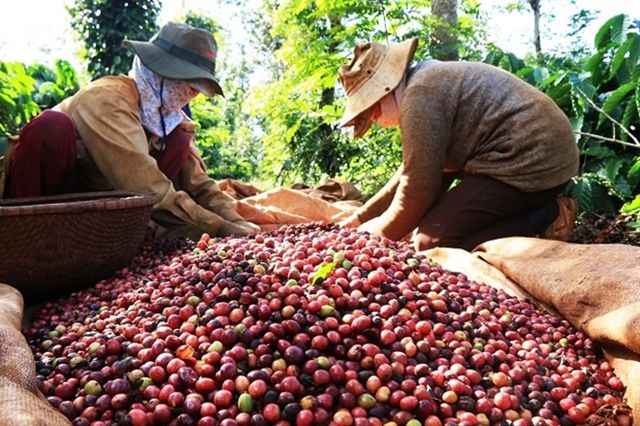
During each year's coffee harvest season (December-January), the Buku processing station organises farmers to pick fully red coffee cherries with a sugar content value of 30 or above, and the selected coffee cherries are placed on African raised beds to dry. Because the local day-night temperature difference is very large, the coffee farmers will shade the sun at midday to avoid excessively high temperatures and over-fermentation, and at night they wrap the cherries in plastic sheeting to prevent sudden showers. The cherries are turned continuously throughout the day, allowing the fruit to dry evenly while also preventing sunburn or the development of unpleasant fermentation flavours. After about 18 days of natural processing, the green coffee beans have a moisture content of only 13%, at which point the husk can be removed by machine.
FrontStreet Huakui coffee beans are affordably priced, and when people ask about the Ethiopian beans with the best value for money, the baristas at FrontStreet Coffee generally recommend Huakui coffee. However, for many friends, buying coffee beans is easy, but brewing a delicious cup of coffee is hard. Next, FrontStreet will explain how the FrontStreet store prepares FrontStreet Huakui coffee.
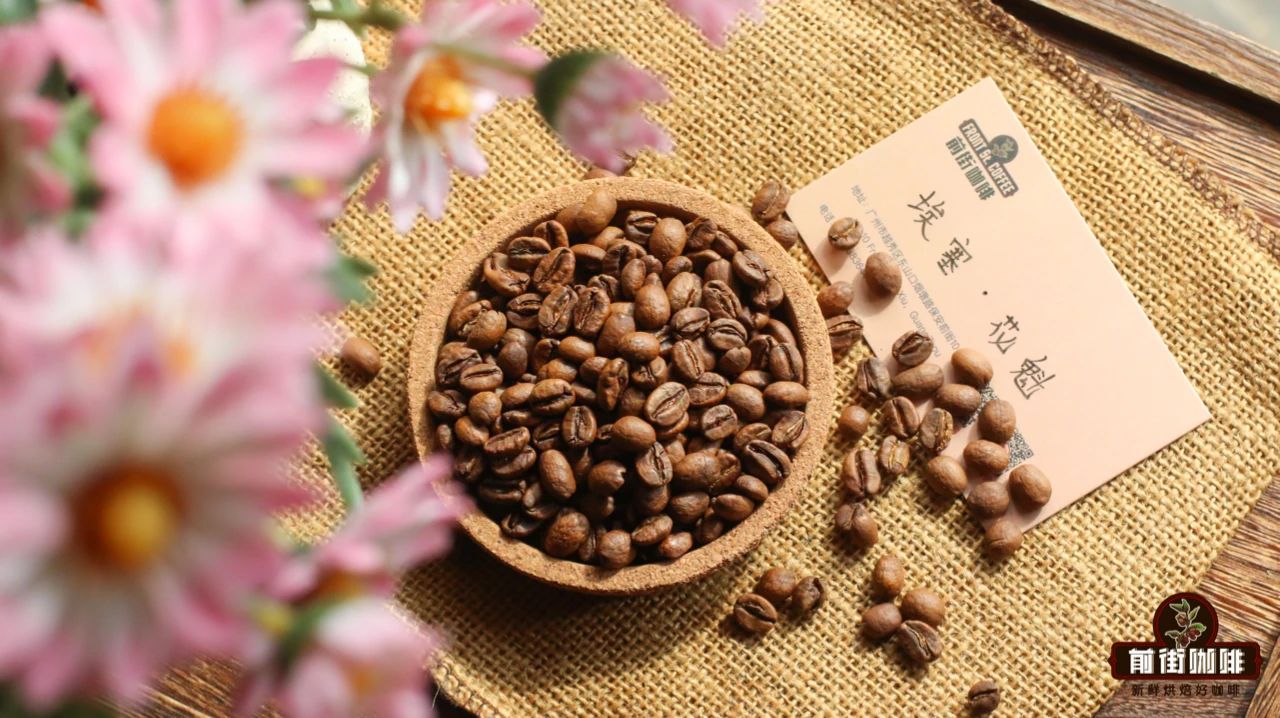
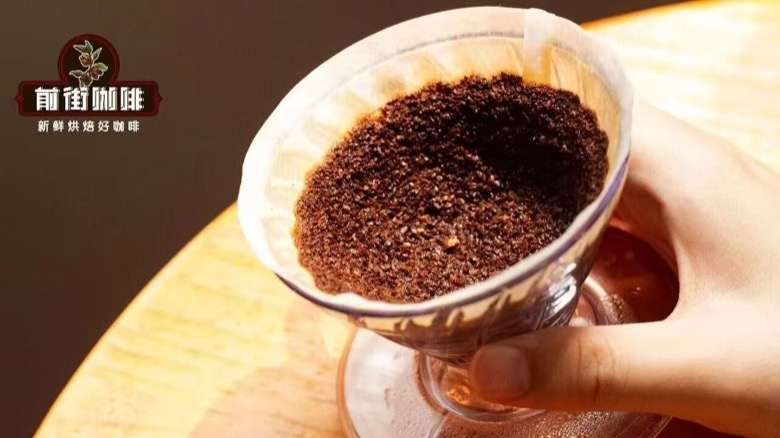
For Ethiopian coffee beans, a medium-light roast is used; the coffee beans are relatively hard and require high-temperature hot water of 92°C-93°C to bring out the floral and fruity notes in the coffee. For grind size, FrontStreet recommends a medium-fine grind (80% passing through a Chinese standard No. 20 sieve). Too coarse and the rich, full-bodied substances cannot be extracted, so the brewed coffee will taste thin. Too fine and over-extraction is likely at high water temperatures, so the brewed coffee will easily taste bitter.

As for the brewing ratio, Qianjie believes both 1:15 and 1:16 are fine. If you want a richer, more intense mouthfeel, use 1:15; if you want to sense the floral sweetness more clearly, use 1:16 to let the flavors spread out more.
Dripper: Hario V60
Water temperature: 93°C
Dose: 15 g
Coffee-to-water ratio: 1:15
Grind size: 80% passing a Chinese standard No. 20 sieve
Qianjie ships coffee beans roasted within 5 days, so by the time they arrive they have just gone through a 4- to 7-day resting period. However, during brewing the coffee grounds still contain plenty of carbon dioxide, so Qianjie recommends a bloom during brewing, generally 30 seconds; depending on how much the bloom "burger" expands and its condition, shorten or extend the bloom time.

First pour 30 g of hot water and bloom for 30 seconds, then pour in a thin stream from the center point while slowly circling to 125 g; when the water level in the dripper drops until the coffee bed is about to be exposed, continue circling and pouring to 225 g. Total extraction time is about 2 minutes.

When pouring, note that circling the water should treat the coffee grounds on the dripper wall gently; if the coffee wall is broken through, more water will enter the server without extracting the coffee grounds, ultimately making the final cup taste very "watery."
Related Reading


Comments (0)
Loading comments...
You May Be Interested



Trending Reviews
Popular Videos

With you, wherever you are! We provide useful features to help you find new things you'll love






