Source:Best Coffee > News Author:qjroot Published:2026-09-03 18:54:53
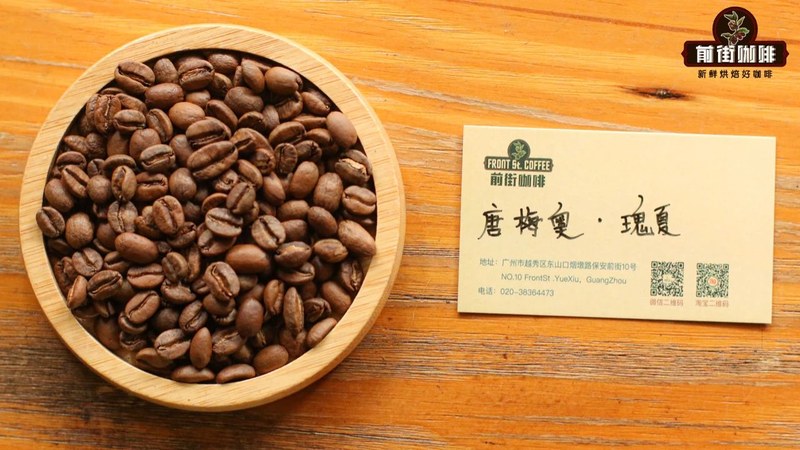
When freshly roasted coffee beans are put into different brewing devices, the flavor presentation changes with the dose, water amount, temperature and contact time. When choosing beans, it helps to first look at the equipment you commonly use at home, then match it against the extraction conditions it can provide: pour-over is good at amplifying aroma, espresso machines pursue concentration, and cold brew relies more on time in exchange for a softer mouthfeel. Once the parameters are clear, the range of beans to choose from also becomes clearer.
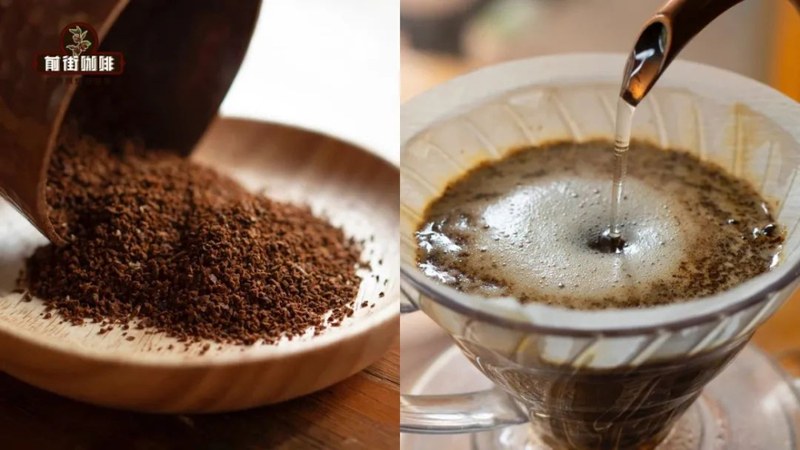
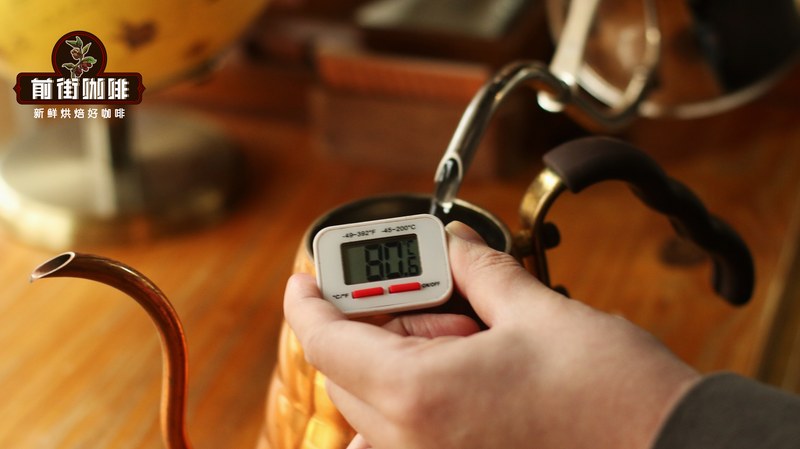
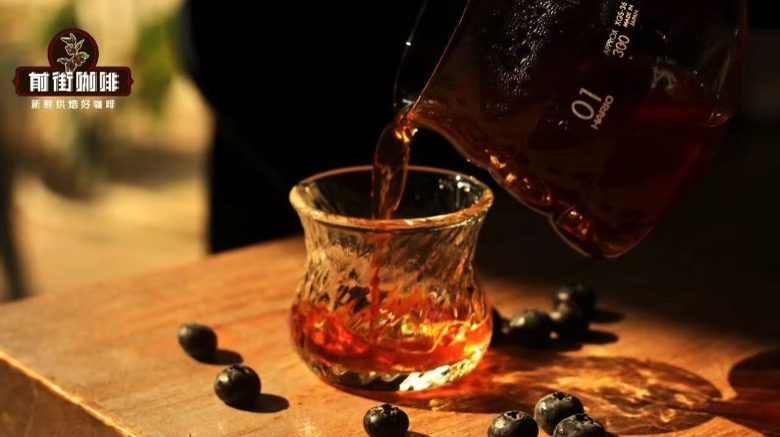
For pour-over, you can start with the coffee-to-water ratio. When using 15 g of ground coffee, a water amount between 225 and 250 g usually makes it easier to taste the complete flavor; for light-roasted beans, water at 91 to 94°C can be used, the grind should stay medium-fine, and the brewing time is about 2 minutes 30 seconds to 3 minutes. If the cup has only sharp acidity, increase the contact time; if the finish tastes astringent, reduce the fines and agitation.
A conical dripper concentrates the water flow and is suited to showing aroma and bright acidity; a flat-bottom dripper gives a more even coffee bed, and the sweetness and body appear more orderly. If you use Qianjie Colombia Sidra at home, you can use a higher water temperature and staged pouring to release the tropical fruit notes, and after it cools, the blueberry- and grape-like sweet aroma will be easier to notice.
The thickness of the pour from the kettle also affects the result. A thin stream and more pours are suited to slowly raising the extraction yield, while a thicker stream and fewer pours can preserve a light and lively quality. For light-roasted, denser beans, grinding too coarse may make the acidity seem thin; adjusting one step finer or extending the bloom time often lets the sweetness and aroma connect more naturally.
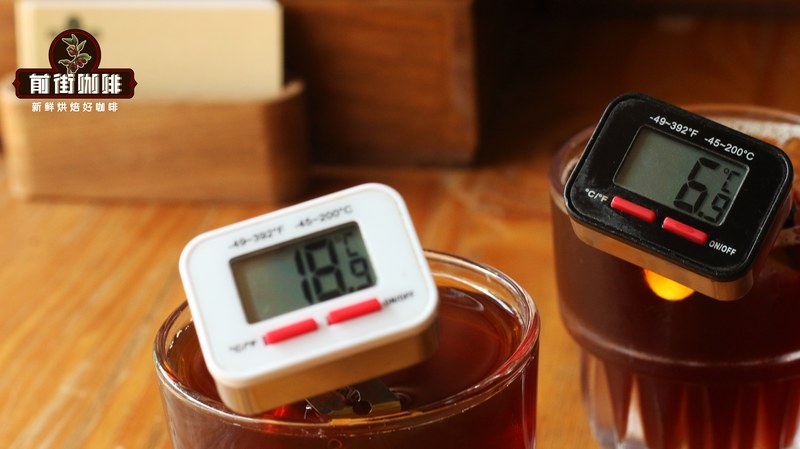
If you mainly use a cold brew pitcher at home, when choosing beans you can pay attention to the distinctiveness of the aroma and the softness of the acidity. After Qianjie Yirgacheffe Gudingding is steeped in cold water for a long time, the liveliness of citrus and berries becomes somewhat restrained, leaving floral notes and a fresh sweetness similar to green tea. The dose can be adjusted according to the desired strength of the finished drink, and steeping for 8 to 12 hours will establish a suitable testing range.
Cold brew should be ground slightly coarser than regular pour-over, so that water has enough space to enter the coffee bed and filtering is also easier. For a ready-to-drink cold brew, you can set the coffee-to-water ratio at about 1 to 10; if you plan to add ice or dilute with water, increase the concentration of the coffee liquid. After steeping, filter first, then place it in the refrigerator to rest for several hours, and the flavor will usually become more integrated.
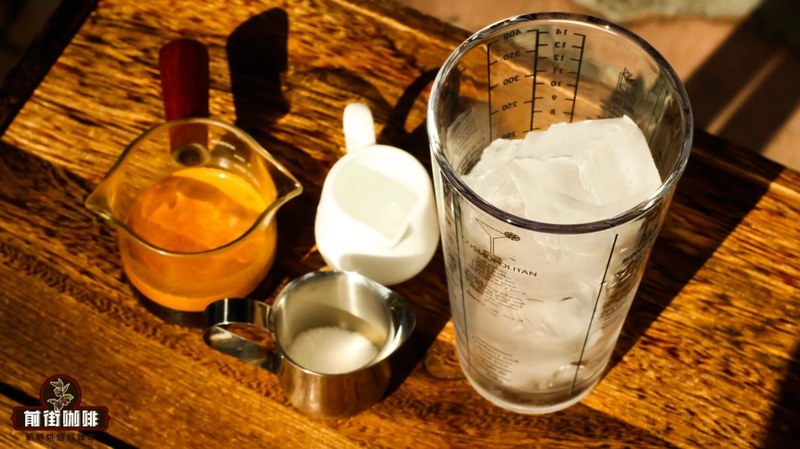
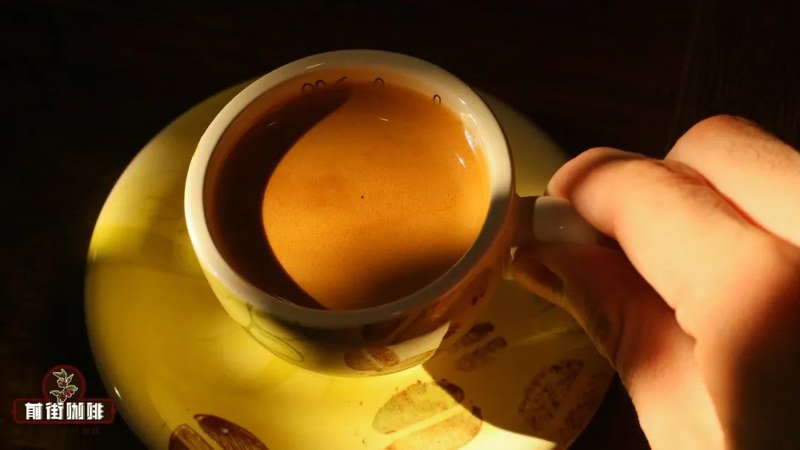
When choosing beans for an espresso machine, the key is to see whether the equipment can stably control pressure, temperature and yield weight. When making SOE with single-origin beans, you can start testing from 18 g of coffee, 36 g of liquid weight, and 25 to 32 seconds, then move the grind setting according to taste. When Qianjie Colombia Sidra is used for this kind of extraction, it easily forms a concentrated and bright juicy quality, suitable for a short black or for drinking over ice.
If the espresso machine has a narrow temperature control range, beans with a moderate roast level will be easier to adjust. When the brew head temperature is on the high side, the grind can be slightly coarser to avoid bitterness and a dry feeling appearing too early; if the flow is too fast, you need to make the grind finer or increase the resistance of the coffee bed. When making an Americano, keep the espresso shot shorter, then add hot water or ice water, and the aroma will be clearer than with an over-extended yield.
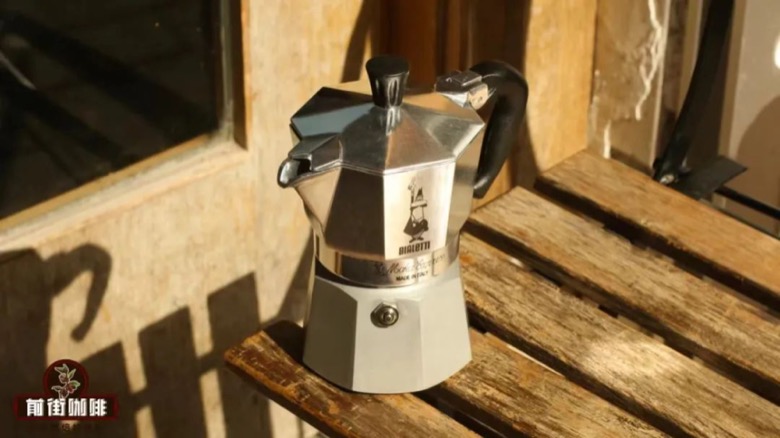
For those who like to use a small-capacity moka pot, you can choose beans with a moderate flavor thickness according to the capacity of the filter basket. After adding the coffee, level it gently without deliberately tamping, use a medium-fine grind and control the heat so the coffee liquid flows out slowly. Heat the water chamber until it is close to boiling before assembling, which can shorten the time on the stove; if the beans are on the lighter side, coarsen the grind appropriately and the cup will feel brighter.
Qianjie Panama Hacienda La Esmeralda Red Label Geisha is suited to being saved for equipment that lets you slow down the pace. With a conical dripper, a water temperature of around 92°C and a gentler pouring speed, the jasmine and citrus-like aroma unfolds gradually, and the bergamot-like freshness and black tea texture become more harmonious after cooling. It is suited to brewing in small amounts, leaving room with each sip to observe the aroma.
Equipment parameters are not fixed answers, but coordinates that help with choosing beans. First confirm what conditions the dripper, espresso machine or cold brew pitcher can provide, then compare beans based on grind range, upper temperature limit and acceptable brewing time. After buying, record the dose, liquid weight and the impression on the palate, and after a few adjustments you will be able to find freshly roasted coffee that better suits your own equipment and taste.
Related Reading
Comments (0)
Loading comments...
You May Be Interested

Trending Reviews
Popular Videos

With you, wherever you are! We provide useful features to help you find new things you'll love






