Source:Best Coffee > News Author:qjroot Published:2024-09-28 18:37:18
According to local Mexican media reports, Hurricane John made landfall in Mexico on the evening of the 23rd, bringing severe impacts to many parts of Mexico, mainly affecting southern Mexico. According to a report issued on the 27th by the local government of Guerrero, in southwestern Mexico, Hurricane John caused 5 deaths in Guerrero on the day it made landfall.
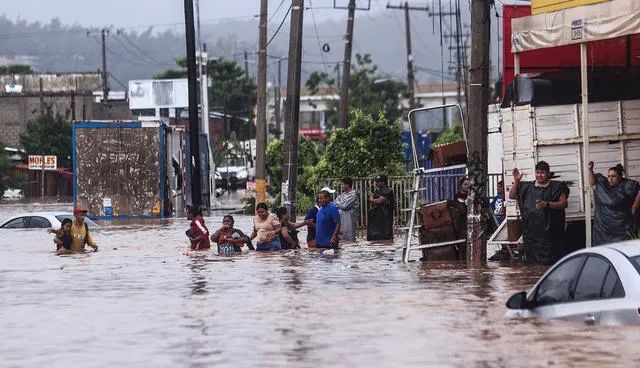
But the death toll is currently rising. As of now, Hurricane John has caused 16 deaths, 13 of them in Guerrero and the other 3 in neighboring Oaxaca. It has also damaged about 700 houses, blown down large areas of trees, and caused landslides, floods and mudslides in many places. Because it triggered flash floods, the local power transmission system was damaged, and the electricity supply to about 100,000 local users was affected.
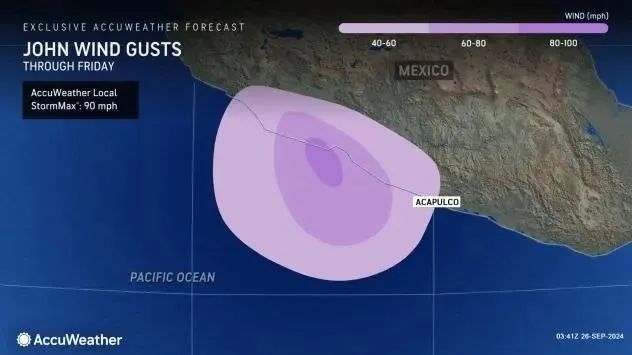
At present, according to local reports, Hurricane John was a Category 3 hurricane when it made landfall in Mexico. It will still bring strong winds and heavy rainfall to western and southern Mexico, and coastal areas will also be affected by huge waves, so many places in Mexico have entered a state of emergency. In addition, according to Mexico's national meteorological reporting service, gusts of 80 to 100 km per hour and waves and spray 3 to 5 m high have appeared along the coast. This has had a serious impact on ports in southwestern Mexico, port operations have been interrupted, and airports in the south have also suspended inbound and outbound flights.
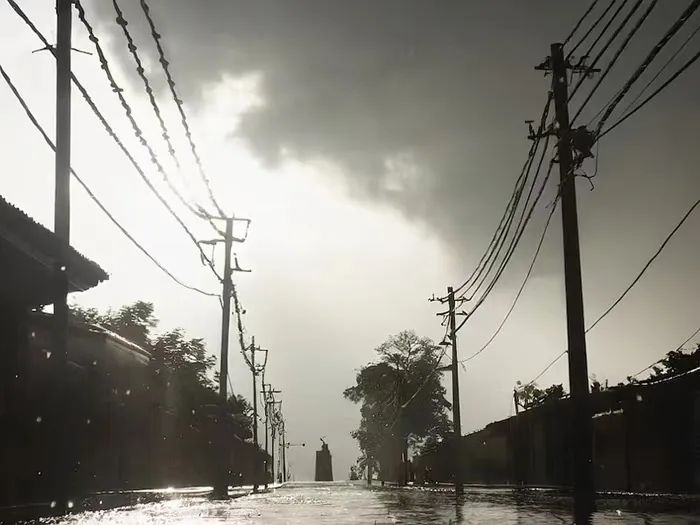
According to local authorities, rescue teams are now being organized to go to the scene. However, according to meteorologists at the global weather forecasting company AccuWeather, Hurricane John was once a Category 3 hurricane. Although it weakened at one point, it has now re-formed off the Pacific coast and will make a second visit to southwestern Mexico.
Previously, Hurricane John's first visit brought about 431 mm of rainfall to southwestern Mexico, with some areas receiving as much as 533 mm. Although Hurricane John's second visit will move toward the northeast, it will still affect the southwestern region hit during its first visit. Combined with the rainfall from both visits, cumulative rainfall in some areas could reach a terrifying 1270 mm, especially where the old and new rain zones overlap, with the highest risk of flash floods and mudslides. Even in areas not affected by rainfall, there will be a serious flood threat, and the rain will continue into next week.
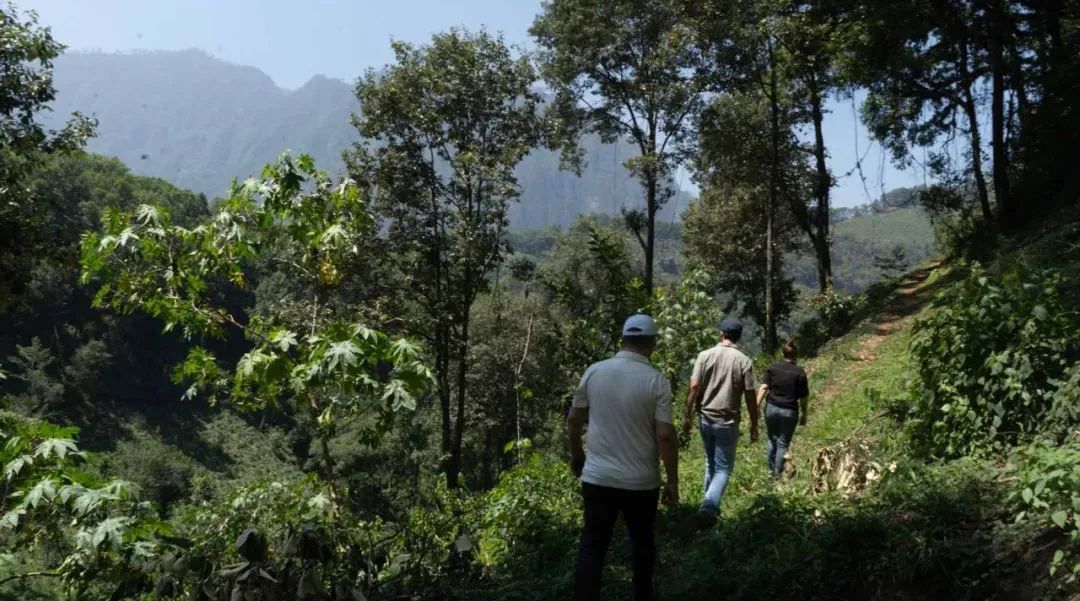
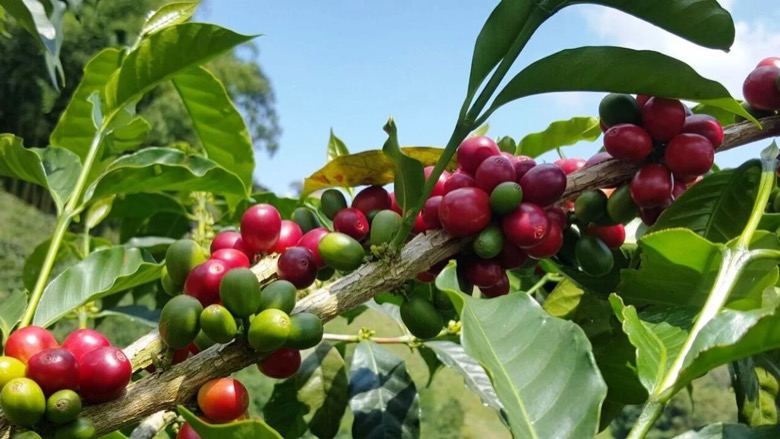
The current situation will have a serious impact on Mexico's coffee industry, as Mexico's coffee-producing regions are all distributed in the southern region, accounting for 95% of the country's coffee production, and thus are heavily affected. It is understood that Mexico's coffee harvest season runs from November to March, and Mexico's coffee is currently in the fruiting stage. Heavy rainstorms will knock down the nearly ripe fruit, and the coffee trees will be flooded, affecting the normal growth and development of the coffee and leading to reduced yields. In addition, coffee cultivation is generally located in higher-altitude mountainous areas, which are vulnerable to the threat of landslides.
Earlier, the Mexican coffee industry released its coffee production report for the 2024/25 year, forecasting that Mexico's coffee production will reach 3.35 million bags, slightly higher than the coffee production in 2023/24, but since this is currently an important stage of fruiting, the annual coffee production will decrease.
In fact, in recent years Mexico's coffee industry has been developing continuously, and its coffee export volume reached significant growth in 2023. It is said that this is because Mexican coffee has a medium body, a slight nutty aftertaste, and is relatively cheap, making it suitable for use in coffee blends. Previously, due to drought in Vietnam and reduced production in Indonesia, Robusta coffee prices kept soaring, so many traders turned to buying cheaper Arabica coffee beans, which benefited Mexico's coffee industry, increased export volume, and made Mexico the largest coffee-producing country in North America, with an annual growth rate of 2.6%.
At present, South America, the world's largest coffee-producing region, is under the threat of drought and wildfires, causing damage to the coffee industries of countries such as Brazil, Colombia and Peru and reducing coffee production. In Asia, countries such as Vietnam and Indonesia were also affected by severe weather earlier, reducing coffee production, and have still not recovered, causing global coffee prices to keep rising and at one point breaking historical highs. Combined with the climate impacts Mexico has also suffered, prices will remain high in the short term.

To learn more about coffee origins and regions, please scan the QR code to follow: Kaping
Long-press the QR code to follow:

TRANSLATE with x
English
TRANSLATE with
COPY THE URL BELOW
EMBED THE SNIPPET BELOW IN YOUR SITE Bing Webmaster Portal
Related Reading





Comments (0)
Loading comments...
You May Be Interested




2019-08-08

Trending Reviews
2019-07-31
Popular Videos

With you, wherever you are! We provide useful features to help you find new things you'll love






