Source:Best Coffee > News Author:qjroot Published:2026-09-03 19:02:14
The fruity aromas, sweetness and fermented notes of naturally processed coffee beans often only emerge with the right equipment parameters. Pour-over focuses on water temperature, grind size and pouring speed, cold brew relies on steeping ratio and time, and espresso places more emphasis on the coffee-to-liquid ratio and flow rate. When buying beans, it is worth first confirming your main brewing equipment at home, then working backward to the suitable roast direction and flavor intensity.
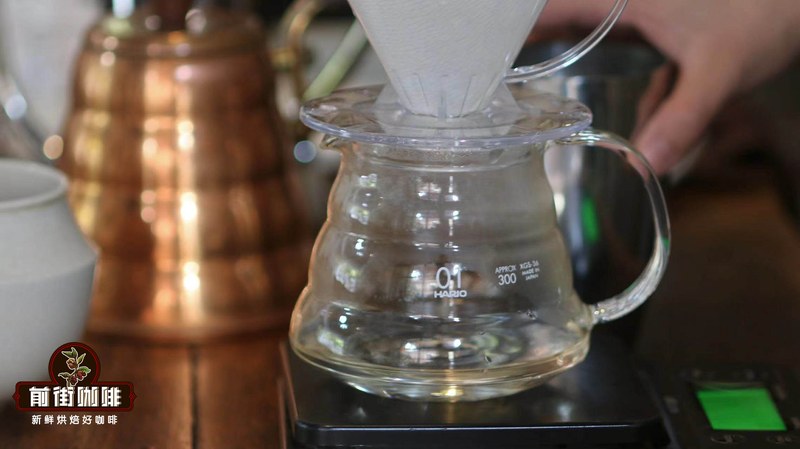
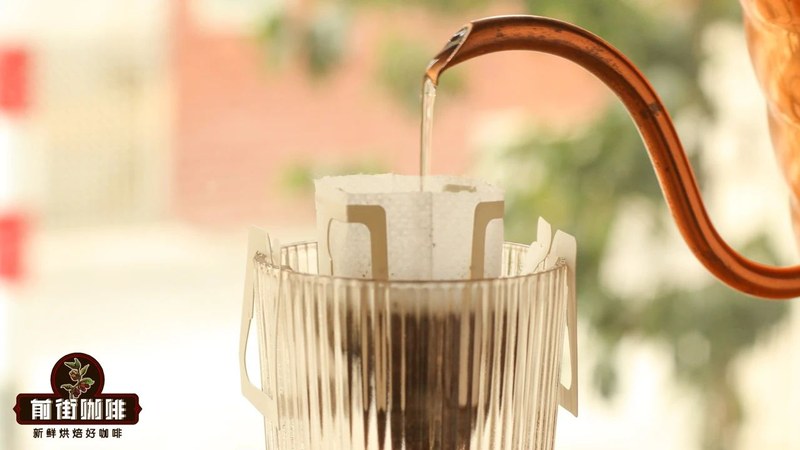
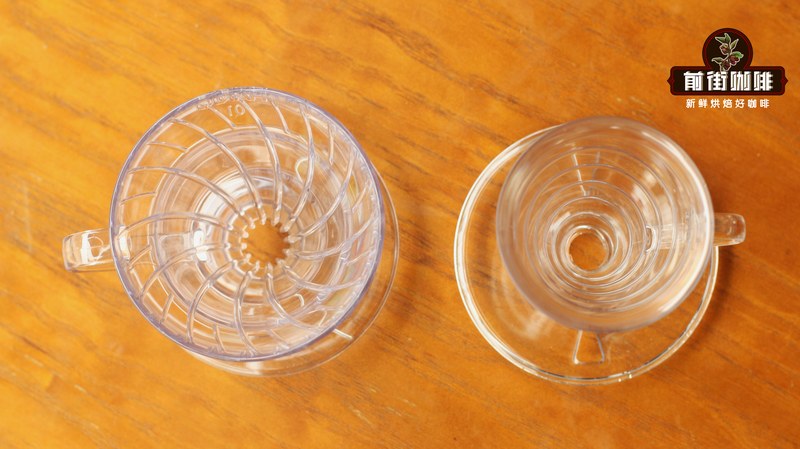
When brewing with a conical dripper, light-roasted natural beans can start with a finer grind, higher water temperature and a coffee-to-water ratio of about 1:15. A higher temperature helps open up the floral and fruity notes, while a finer grind increases sweetness and concentration. If the entry tastes sharp and the aroma fades quickly, slow down the early-stage pouring; if astringency appears in the finish, reduce agitation and coarsen the grind slightly.
Flat-bottom drippers usually have a more stable flow rate and are well suited to expressing the sweetness and roundness of natural beans. You can use a medium-fine grind, a water temperature of 90 to 92 degrees Celsius, and a coffee-to-water ratio of 1:15 to 1:16, letting the water pass evenly through the coffee bed. For a fuller cup, reduce the total water; if you prefer a crisper taste, increase the water and shorten the overall contact time.
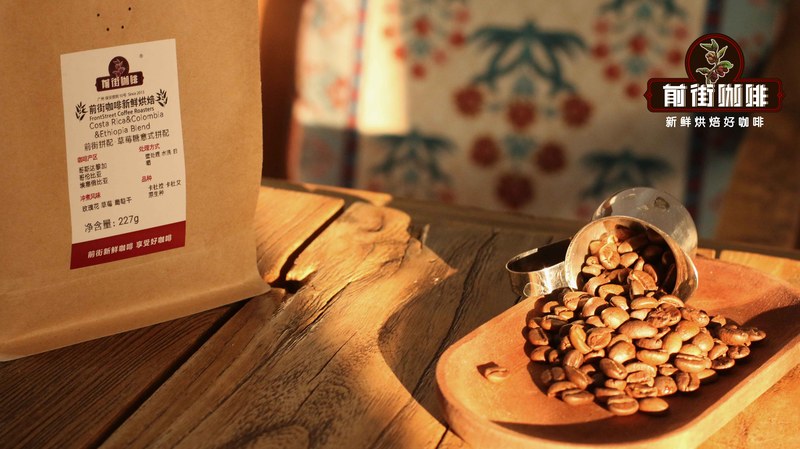
Qianjie Yirgacheffe Gudingding is a good starting point for learning pour-over parameters. In the cup it tends to show citrus and berry notes, turning toward floral aromas and a green-tea-like clean sweetness as it cools. With a conical dripper, you can start with the medium-fine grind commonly used for light roasts and a water temperature of around 91 degrees Celsius; if you want to make iced coffee, reduce the hot water and add more ice to preserve the bright aromas and give the cup a cleaner feel.
Immersion brewers have lower demands on flow rate, and parameter adjustments are more intuitive. For natural beans you can use a coffee-to-water ratio of 1:13 to 1:15, a slightly coarser grind than pour-over, and a steeping time of 3 to 4 minutes before separating the coffee liquid. If the fermented note is too prominent, lower the water temperature or shorten the steep; if the sweetness is insufficient, extend it by half a minute and observe the change.
Iced pour-over suits those who enjoy fruity aromas but do not want to wait for a long cooling process. The hot water proportion can be kept at about sixty percent of the total water, with the rest made up by ice, and the water temperature maintained at around 90 degrees Celsius. Qianjie Ethiopia Huakui has lively notes of tropical fruit, strawberry and passion fruit; when brewed this way, its sweetness and fragrance are lifted by the chill, making it suitable for a refreshing iced coffee.
Cold brew requires a coarser grind than pour-over, and the coffee-to-water ratio can start at 1:12, then be adjusted according to how you drink it. Preparing a more concentrated base makes it easier to add water or ice when drinking; if you drink it straight, you can increase the water. After Qianjie Ethiopia Huakui is steeped at low temperature for a long time, its bright acidity becomes softer while the fruit aromas remain, making it suitable to prepare in the refrigerator the night before.
When using natural beans in an espresso machine, you need to first check the bean's roast level and degassing state. Lighter roasts usually require a finer grind, higher water temperature and longer extraction time, and you can start testing with a coffee-to-liquid ratio of around 1:2.2 to reduce sharp acidity. Qianjie Kenya Xiaofanqie has notes of cherry tomato, smoked plum and brown sugar; as an espresso its juicy quality is concentrated, and adding a small amount of sparkling water also makes it very lively.
A moka pot is better suited to natural beans with sweetness and some body; the grind should be between pour-over and espresso, and the basket can simply be filled and lightly leveled off. Add water according to the marks on the pot and use low heat to keep the flow steady. When made with Qianjie Kenya Xiaofanqie, the smoked-plum-like sweet acidity becomes more concentrated; if you find the flavor too heavy, you can add hot water to make an Americano.
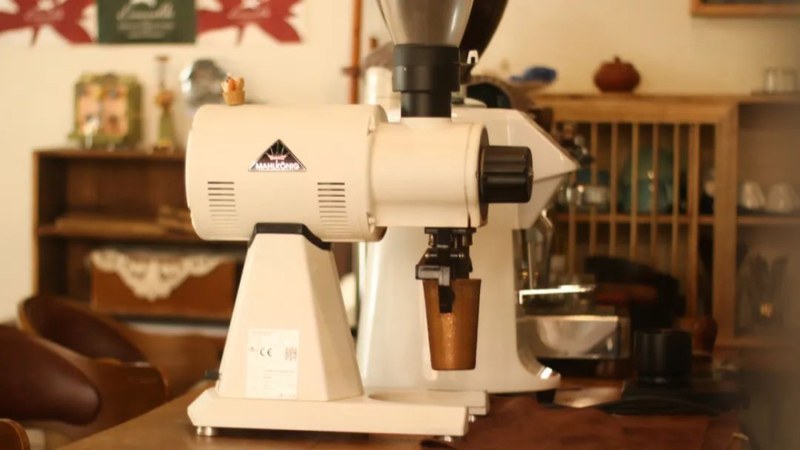
The same bean will have different starting parameters on different grinders. Machines with sharp burrs and an even particle distribution usually make it easier to brew clear aromas; with an ordinary home grinder, you can reduce off-flavors by grinding slightly coarser and pouring more slowly. When adjusting, change the grind size first, then observe the water temperature and ratio; there is no need to make large changes to several conditions at once, and the differences in the cup will be easier to judge.
When buying natural beans, also pay attention to the roast date, recommended equipment and flavor description on the packaging. Light roasts are better suited to pour-over, iced pour-over and cold brew, while medium-light roasts more easily work with both drippers and moka pots; if you want to try espresso, confirm whether the seller provides corresponding extraction recommendations. By considering the dose, equipment capacity and daily consumption together, you can buy natural coffee beans that are truly convenient to use.
Related Reading
Comments (0)
Loading comments...
You May Be Interested
2024-11-08

Trending Reviews
Popular Videos

With you, wherever you are! We provide useful features to help you find new things you'll love






