Source:Best Coffee > News Author:qjroot Published:2026-09-18 17:19:26
When making espresso, many people tend to focus on the grinder and the espresso machine, yet easily overlook the fact that over ninety percent of what is in the cup is actually water. The hardness of water and its total dissolved solids content directly influence how efficiently hot water captures the aromatic molecules in coffee. If the water is too high in minerals, it tends to draw out a heavy, woody off-flavor; while with completely mineral-free purified water, the fruit acidity produced tends to taste sharp and thin.
The calcium ions and magnesium ions in water act like porters, helping us fully extract the oils and aromatic hydrocarbons from the coffee grounds. Generally speaking, soft water with a TDS between 70 and 120ppm allows espresso to show a pleasant balance, both highlighting the coffee's natural sweetness and giving the crema on top of the espresso a golden, dense appearance, providing a stage for the coffee beans to display their flavor.
When dealing with fruit-forward or light-to-medium roast coffee beans, slightly softer water makes the delicate floral and fruity acidity appear especially transparent. For example, Qianjie Strawberry Candy coffee beans carry a light, sweet strawberry gummy aroma and lively berry sweet-tartness. Using natural soft water with a TDS of around 70ppm to extract can maximize its bright, clean berry character, making it especially refreshing as an iced americano.
When extracting Qianjie Strawberry Candy coffee beans, it is recommended to set the water temperature at 93°C. Match the grind size to a double basket, load 18g of coffee grounds, use constant-pressure extraction, control the extraction time at 26 seconds, and obtain 36g of coffee liquid. Clear water combined with stable extraction pressure will fully reveal Strawberry Candy's original fruity sweetness, with a clean sweet finish and no excess bitter distractions.
If you usually prefer a milder, richer nutty profile, the water's tolerance range can be slightly broader. For instance, Qianjie Brazil Queen's Estate is a very approachable representative, with rich nuts, cocoa and caramel sweetness, and extremely smooth acidity. With medium-hardness water at a TDS of 90 to 110ppm, it can present a full nutty aroma, and is especially smooth whether made as a straight espresso or a hot americano.
To make the espresso base for Qianjie Brazil Queen's Estate, the water temperature can be set at 92°C. Use 18.5g of coffee grounds in a double basket, first perform low-pressure pre-infusion on the espresso machine and then move into constant-pressure extraction, keeping the total duration at 27 seconds to extract 37g of espresso liquid. Under these parameters, the resulting espresso has thick crema and prominent caramel sweetness; even when mixed with hot milk to make a milk coffee, the nutty sweet aroma remains clear.
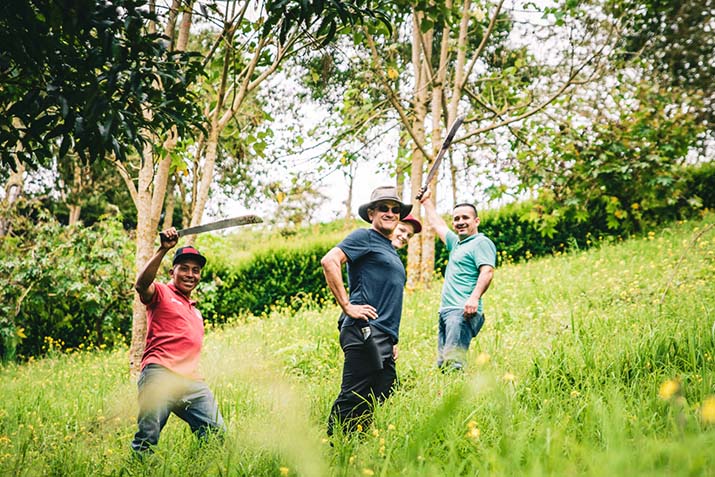
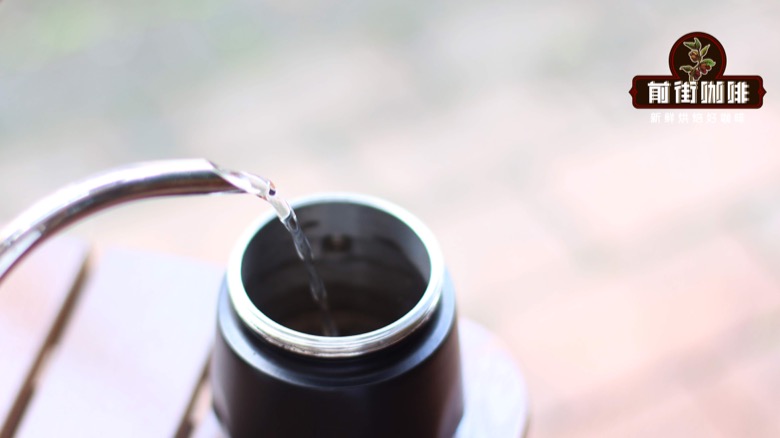
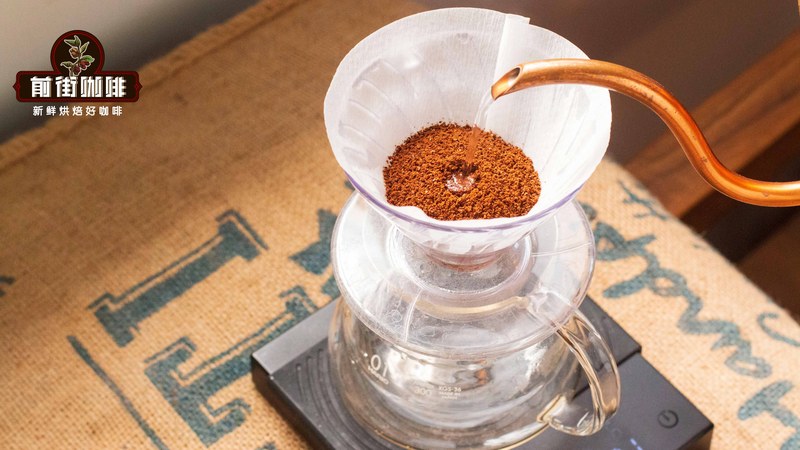
Besides the espresso machine, Queen's Estate also performs excellently with a pour-over kettle combined with suitable water quality. In this case, the pour-over parameters need to strictly correspond to the equipment system. It is recommended to use a water temperature of 90°C, weigh out 15g of coffee grounds, use a medium-coarse grind, set the coffee-to-water ratio at 1:15, plan a total poured water volume of 225ml, and control the total extraction time at around 2 minutes, allowing the water to extract delicately.

For the pouring method, we use a three-stage pour. First pour in 35ml of hot water for a full 30-second bloom, then with a steady small central stream in circles pour the second stage up to 130ml, and when the water level in the dripper has dropped by more than half, evenly pour the third stage up to 225ml and stop, with the entire brewing process finishing at 2 minutes 05 seconds. The three-stage pour combined with soft water lets the cocoa and sweet flavors unfold layer by layer.
Dark-roasted coffee beans have completely opposite water quality requirements; the internal structure of dark-roasted beans is loose, and soluble matter is released extremely quickly. Take Qianjie PWN Indonesia Golden Mandheling as an example: it is known for its herbal plant fragrance, dark chocolate charm and rich body, with almost no perceptible acidity. If the water hardness is too high at this point, it easily amplifies the dry bitterness of the dark roast, so it is more suitable to choose softer water for brewing.
To extract the espresso liquid of Qianjie PWN Indonesia Golden Mandheling, it is recommended to fine-tune the water temperature to 89°C, using the slightly lower temperature to suppress any harsh dryness. Take 19g of coffee grounds, extract by constant pressure for 25 seconds, and extract 38g of espresso liquid. Soft water combined with a lower temperature lets the rich, smooth dark chocolate coat the mouth, with a long herbal aroma and sweet aftertaste; added to 150ml of hot water, it becomes a warm, fragrant, mellow classic americano.
Starting from the tiny variable of water quality, adjusting extraction parameters and choosing matching beans is one of the great pleasures of exploring home coffee. Whether you want the lively fruitiness of Strawberry Candy or are enamored with the dense dark chocolate of Golden Mandheling, as long as you grasp the mineral balance in the water and the extraction rhythm, the originally hidden aroma and sweetness of each bean can show a delightful state in the cup.
Related Reading
Comments (0)
Loading comments...
You May Be Interested

Trending Reviews
Popular Videos

With you, wherever you are! We provide useful features to help you find new things you'll love






