Source:Best Coffee > News Author:qjroot Published:2026-09-02 18:36:55
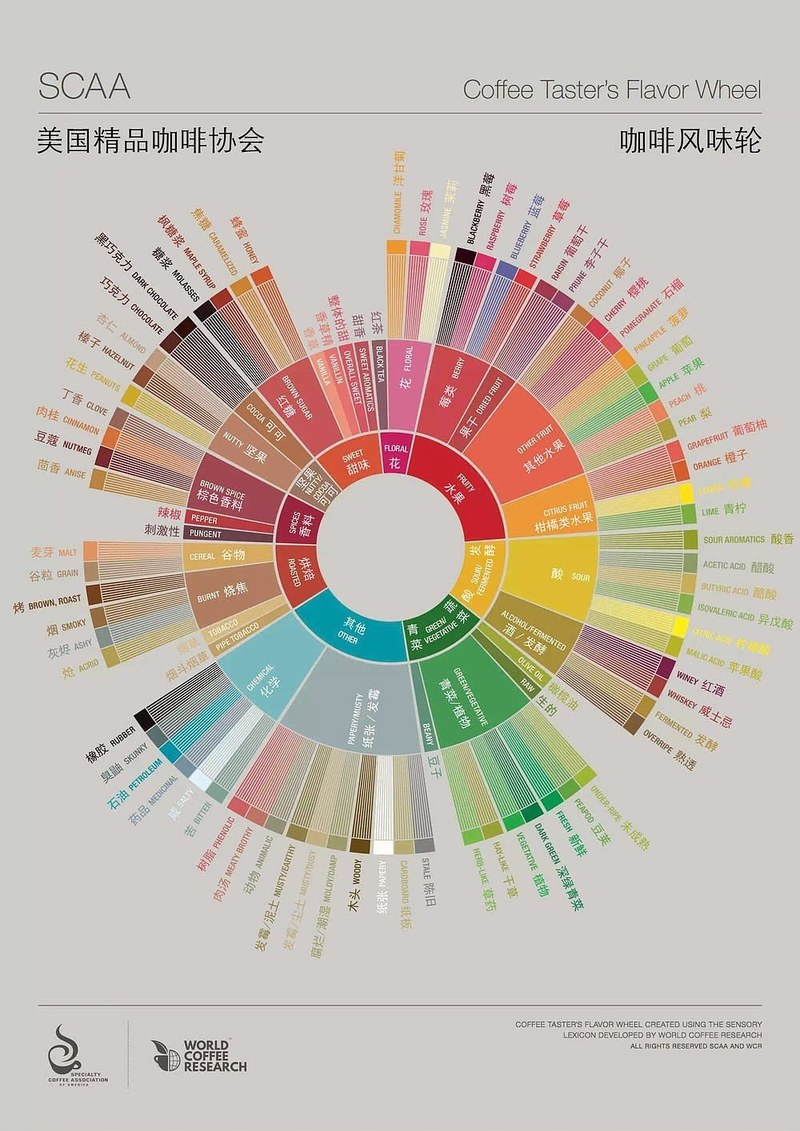
Yirgacheffe is often associated with jasmine, citrus, lemon, black tea and a light acidity, but these flavors are not an exclusive code for the region. The truly suitable way to identify it is to observe packaging information, roast status and brewing parameters within the same set of tests. The aroma direction of beans differs in pour-over, espresso or cold brew, yet a relatively clear regional character should be retained.
First check whether the packaging is willing to disclose the source. Writing only "Ethiopia Yirgacheffe" provides little information; if it further indicates the cooperative, processing station, village or town, altitude, variety, processing method and lot, the basis for judgment will be more sufficient. A proper label should also have the roast date, net content and storage recommendations. More specific information does not necessarily mean the flavor is better, but it makes traceability and verification easier for consumers.
Yirgacheffe is not a single bean variety, but a well-known region name in southern Ethiopia, which also contains multiple origins and processing areas. Washed beans often have bright citrus, white flowers and a tea-like quality, while natural beans may show berries, tropical fruit and a more intense fermented sweetness. If the packaging uses only one vague flavor word without processing method and lot description, you should pay more attention to the actual parameters when purchasing.
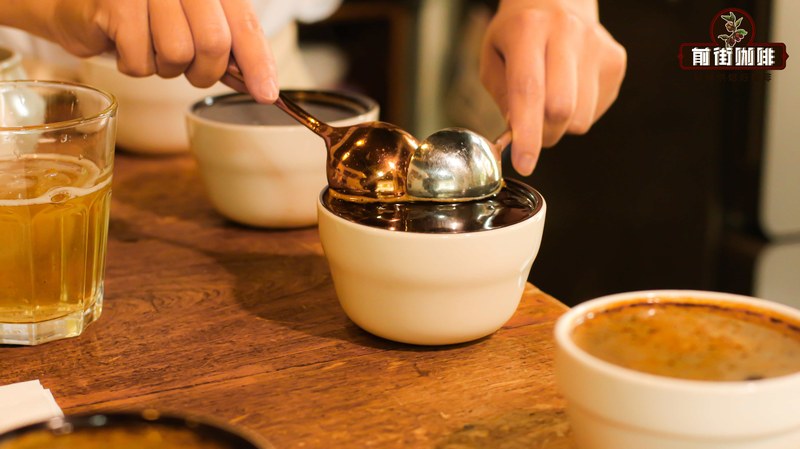
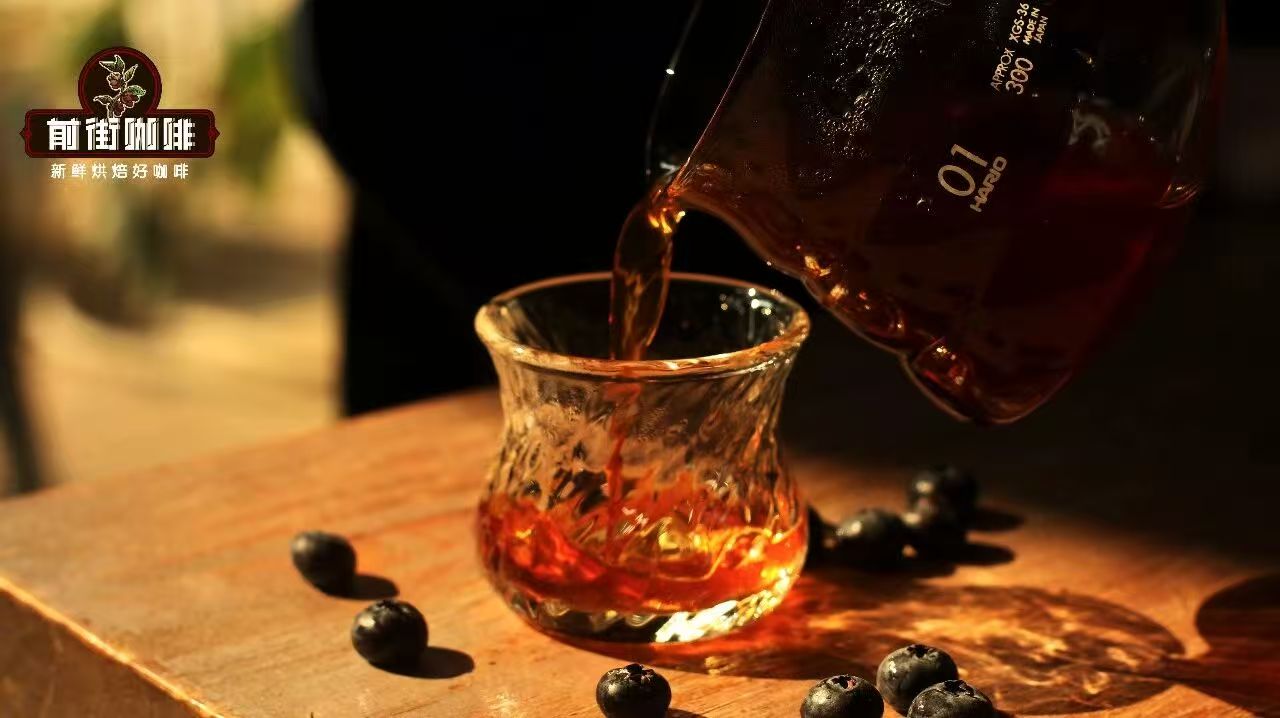
When testing with a dripper, you can choose a commonly used conical dripper, take 15 g of beans and 250 g of water, a water temperature of about 92°C, set the grind to a medium-fine range, and let the total time fall around 2 minutes 30 seconds to 3 minutes. Authenticity cannot be directly decided by one cup of coffee, but Yirgacheffe with a clear source usually shows a coherent change between aroma, acidity and aftertaste, rather than only roasted bitterness or a monotonous woody quality.
During pour-over, first smell the dry aroma, then observe the wet aroma after blooming. If washed Yirgacheffe has normal freshness, it often moves from floral and citrus notes all the way to a tea-like finish; natural lots may first have ripe fruit sweetness, and after cooling show berries or jam. If after adjusting the grind there is still only burnt bitterness and smoky flavor, and the packaging indicates a light roast, the roast information, storage condition or bean source description may not match the actual product well enough.
Pour-over parameters can also help confirm whether the beans have been treated correctly. Light-roasted Yirgacheffe can start with a higher water temperature and a moderate finer grind; if the entry is sharp, first grind slightly finer, and if the finish is astringent, reduce agitation or shorten contact. Do not immediately conclude that the beans are fake just because the acidity is obvious; under-extraction will also make acidity lose sweetness. After two or three consecutive adjustments, a more complete layering should gradually appear in the cup.
When using a French press or Clever dripper, low agitation and a longer contact time will amplify the thickness of the aroma, and will also weaken the brisk lines found in pour-over. Take 15 g of beans with 240 g of water, grind slightly coarser than for pour-over, and steep for about 4 minutes, to observe whether the floral and fruity notes of Yirgacheffe are still present. If after changing the brewer there is only bitterness, it does not mean the beans have a problem; you should also check the water temperature, steeping time and the proportion of fines in the coffee bed.
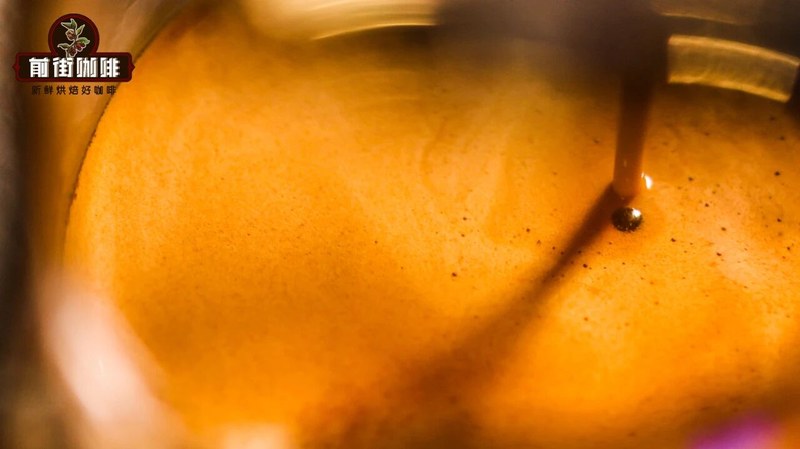
An espresso machine is another way to test whether the roast and the bean's positioning match. Light-roasted Yirgacheffe often needs a higher temperature, a finer grind and a longer ratio to release sweetness and acidity, but the extracted liquid may be lighter and not necessarily suitable for rich milk coffee. If you want to drink a refreshing SOE, you can start from around 18 g of grounds, 40 g of liquid weight, and 28 to 34 seconds, then fine-tune based on sweetness, acidity and cleanliness, focusing on whether the aroma still has regional recognizability.
Taking Qianjie Yirgacheffe Gudingding as an example, light-roast pour-over can start with 15 g of grounds, 240 g of water, 93°C and a medium-fine grind, pouring in stages, so that citrus, berry-like notes and floral aroma gradually unfold, with a finish close to the fresh sweetness of green tea. For cold brew, the grind can be coarser, starting from a coffee-to-water ratio of about 1:13, steeping for about 12 hours; the acidity will soften, making it suitable for slow drinking in summer.
If you prefer a livelier fruity aroma, Qianjie Ethiopia Huakui can be presented as iced pour-over with tropical fruit, strawberry and passion fruit direction. Use 15 g of grounds with 150 g of hot water, then directly drop it onto 100 g of ice, at a water temperature of about 91 to 93°C, with total extraction controlled at about 2 minutes, which can retain a light sweetness. Changing brewing parameters changes the expression, and cannot replace checking the origin information and lot details.
When purchasing, you can also do a simple cross-check: whether the label, webpage information and brewing suggestions of the same package correspond to each other; whether the bean surface color is roughly consistent with the stated roast level; whether the aroma is fresh after opening the bag, and whether there is an obvious rancid oil smell. After confirming the source, use fixed doses and water amounts to test different brewers, record aroma, sweetness and acidity, body and aftertaste, and gradually build your own standard for judging Yirgacheffe.
Related Reading

Comments (0)
Loading comments...
You May Be Interested

Trending Reviews
Popular Videos

With you, wherever you are! We provide useful features to help you find new things you'll love






