Source:Best Coffee > News Author:qjroot Published:2026-09-07 12:58:34
The cocoa aroma of chocolate-flavored coffee beans may present as milk chocolate, dark chocolate or cocoa powder, and may also be accompanied by nuts, caramel or spice notes. When brewing, the water temperature, grind size and coffee-to-water ratio determine whether it turns out sweet and smooth, or bitter and dry. After choosing the beans, rearranging the parameters according to how you drink it is often easier for getting a comfortable cup than copying a fixed recipe.
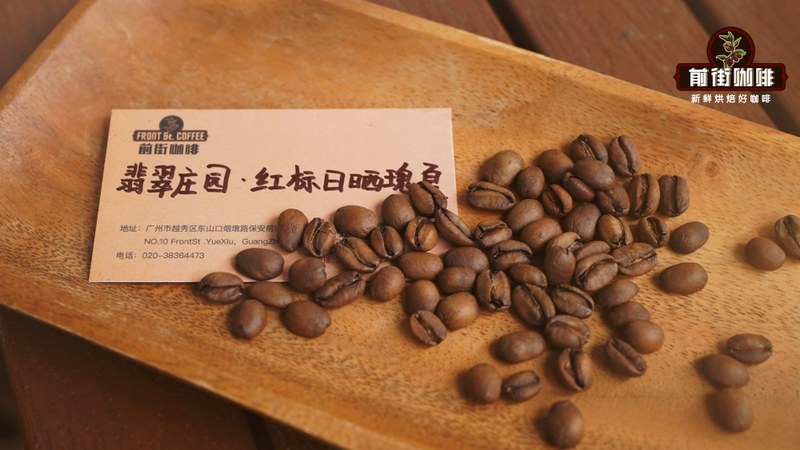
For a stable chocolate character, look for beans with a medium to medium-dark roast, soft acidity and a nutty sweetness. Qianjie Brazil Queen Estate is one that is relatively easy to work with: the entry has roasted nut and cocoa associations, and a caramel-like sweetness rounds out the body. It does not rely on a very high extraction strength, and it is easy to adjust for pour-over, espresso and moka pot alike.
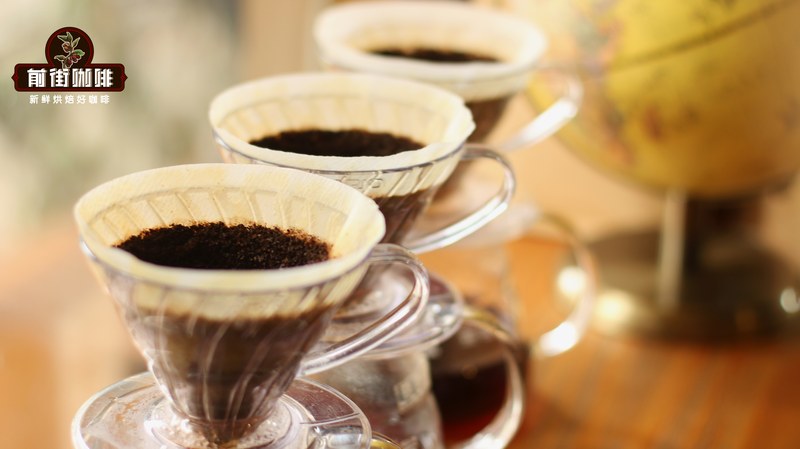
To make this Brazil bean as a pour-over, start with 15 g of ground coffee and 225 g of water, a ratio of about one to fifteen. Set the water temperature at 90 to 92°C, use a medium-fine grind, bloom with 30 g of water for 35 seconds, then pour in two to three stages, aiming to finish in around two minutes thirty seconds. This preserves the cocoa sweetness and aroma without letting the nutty character turn dull.
If the cup tastes like diluted nut water, with a short sweetness and insufficiently concentrated aroma, you can grind slightly finer, or tighten the ratio to one to fourteen. If an obvious woody note appears on the palate and the throat feels dry, that is usually over-extraction caused by fines; you can grind a little coarser, reduce the circular pouring, and shorten the total time by ten to fifteen seconds. When adjusting, change only one variable at a time and your judgment will be more accurate.
Water temperature can also change the texture of the chocolate flavor. At a lower temperature, the cup may retain only a soft nutty note and the sweetness unfolds more slowly; raise it by one or two degrees Celsius and the caramel and cocoa become more concentrated, but a bitter note is also more likely in the finish. For medium-roast beans, start tasting at around 91°C, then fine-tune according to the sweetness on entry and the finish; this is usually more relaxed than going straight to a high temperature.
If you prefer dark chocolate, herbal notes and a thick body, Qianjie PWN Indonesia Golden Mandheling is better suited to a low-agitation brewing method. Its acidity is less prominent, while dark cocoa and a rich mouthfeel are more obvious. For pour-over, use 15 g of coffee with 210 to 225 g of water, a water temperature of 88 to 90°C, a slightly coarser grind than the Brazil bean, and keep the pouring steady to avoid disturbing the coffee bed too much.
This Mandheling does not need a very long extraction time in pour-over. If the flow is too slow or there is a strong bitterness in the finish, you can coarsen the grind and reduce the number of pours; if it tastes heavy but lacks sweetness, you can raise the water temperature slightly, or adjust the ratio to one to fifteen. The lower water temperature reins in the burnt bitterness, while a moderate contact time leaves a dark-chocolate-like intensity.
When making espresso, Brazil Queen Estate can start from 18 g of coffee, 36 g of liquid yield, 25 to 30 seconds, an extraction pressure of about 9 bar, and a water temperature of 91 to 93°C. The grind should be finer than for pour-over, distribute the grounds evenly, and keep the tamping pressure consistent from start to finish. If the flow is too fast, grind finer; if too slow, grind coarser, and do not change the dose and yield substantially at the same time.
If the espresso tastes sharp on entry with a thin cocoa note, it usually needs one or two more seconds of extraction, or the yield controlled at 34 to 36 g, to concentrate the sweetness. If bitterness comes first, increase the yield by two or three grams first, or grind slightly coarser. Higher pressure is not always better; keeping a stable extraction pressure on a home machine makes it easier to build a clear flavor reference than frequently changing the pressure profile.
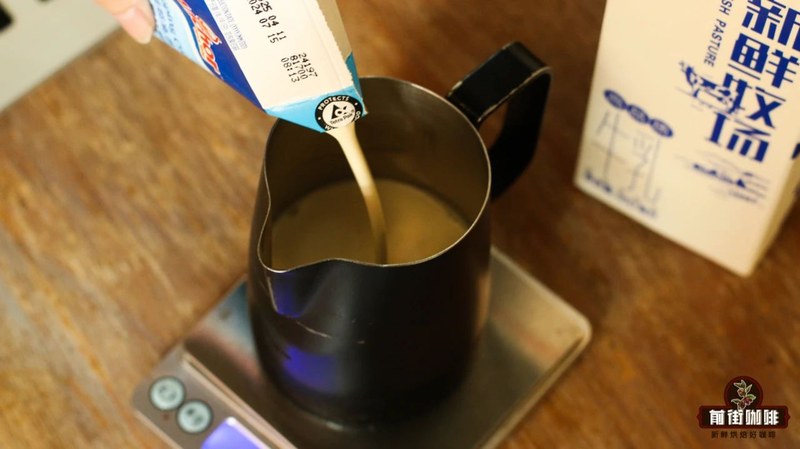
When making a latte, the espresso should not be over-diluted. For the Brazil bean, you can use 18 g of coffee to extract 32 to 36 g of espresso, paired with 150 to 180 g of milk, heated to 55 to 65°C; the nutty and caramel notes will then connect naturally with the milk. If you want a stronger coffee presence, reduce the amount of milk; if using Mandheling, it is better to keep a higher espresso concentration so the dark chocolate and herbal notes cut through the milk foam.
A moka pot can make Mandheling's heaviness even more obvious. Fill the basket to capacity with coffee and level it gently, use a grind between pour-over and espresso, add hot water to the base, then heat over low heat. When the liquid turns lighter in color and the sound becomes hurried, remove the pot from the heat and cool it with a little cold water; this makes the cocoa character cleaner. If you want it softer, add hot water to dilute it into an Americano style.
A chocolate-flavored bean has no fixed "correct answer": pour-over needs the sweetness and aroma to open up, espresso focuses more on concentration, flow rate and yield, and the moka pot has to mind the heat and the finish. When buying, first look at the equipment you use most, then start recording with a set of basic parameters. When you taste a state where nuts, caramel and cocoa connect with one another, you have found the adjustment path that suits you.
Related Reading

Comments (0)
Loading comments...
You May Be Interested




Trending Reviews
Popular Videos

With you, wherever you are! We provide useful features to help you find new things you'll love






