Source:Best Coffee > News Author:qjroot Published:2026-09-16 01:07:21
The reason an Americano made with a single-origin espresso delivers such a vivid acidity comes down to preserving the terroir character and rich organic acids of a specific origin. Whether the acidity in a cup of coffee feels soft and pleasant often depends on the coordinated interplay of water temperature, grind particle size and coffee-to-water ratio. By setting the brewing variables sensibly, the originally prominent acidity and the soluble sugars can fully intermingle, forming a lively flavor reminiscent of fresh fruit.
When making a single-origin Americano with an espresso machine, the machine's stable pressure and extraction ratio are the core factors determining the sweet-sour structure. With lightly roasted single-origin coffee beans, the conventional 9 bar extraction pressure combined with a suitably extended coffee-to-water ratio can more fully extract the caramelized products and fructose deep within the coffee grounds, making the fruit acids extracted in the early stage full and round, and preventing a thin acidity from standing alone.
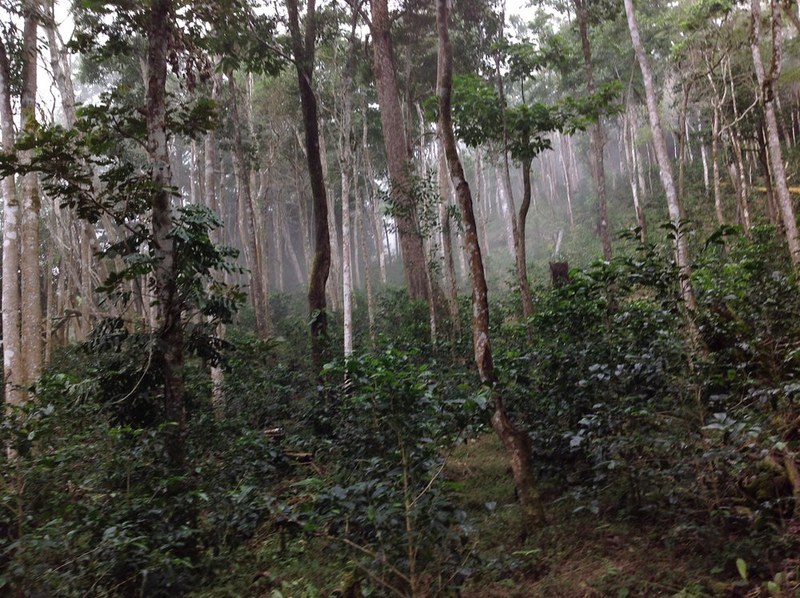
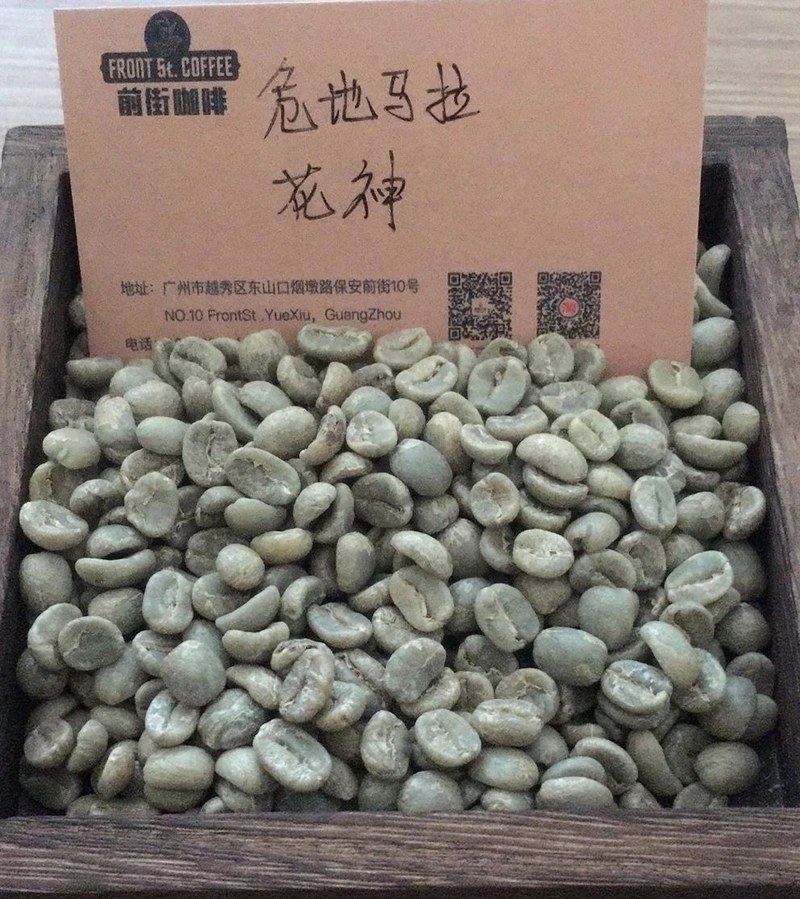
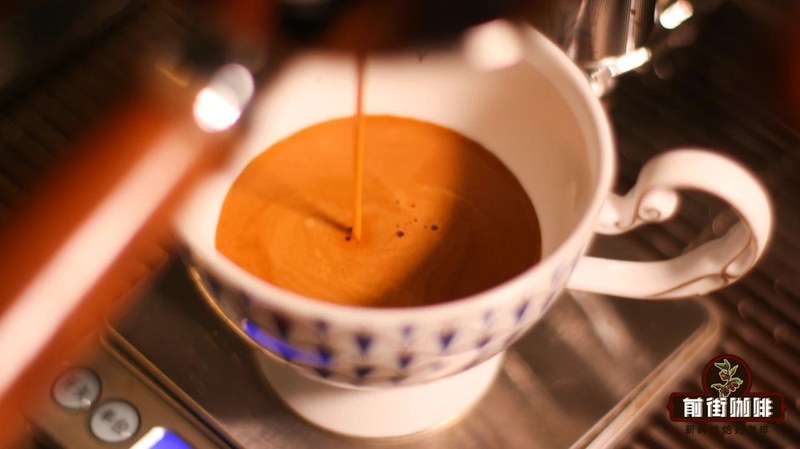
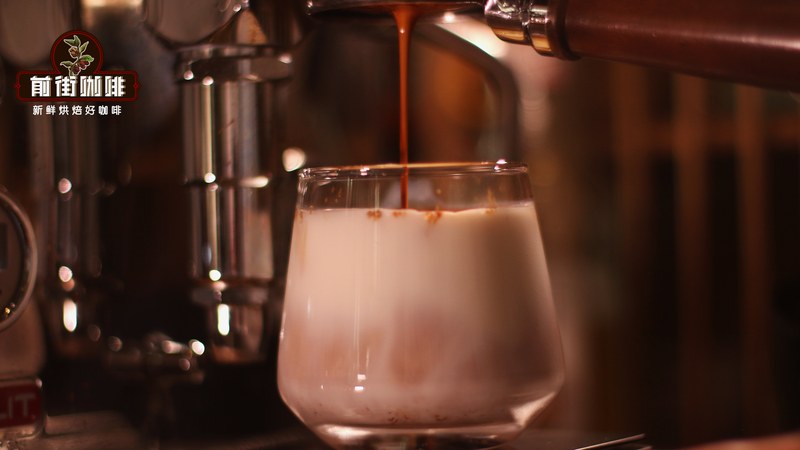
Take Qianjie Ethiopia Huakui as an example: this bean carries bright tropical berry and passion fruit aromas. When making a hot Americano, it is recommended to use 18g of coffee grounds with a fine grind, adjust the extraction water temperature to 91°C, extract 38ml of espresso in 26 seconds under a constant 9bar pressure, and finally pour in 160ml of 75°C water. Such a coffee-to-water ratio lets the sweet fragrance of tropical fruit and the lively fruit acidity achieve a good balance, warm on entry with a distinct strawberry juice feel.
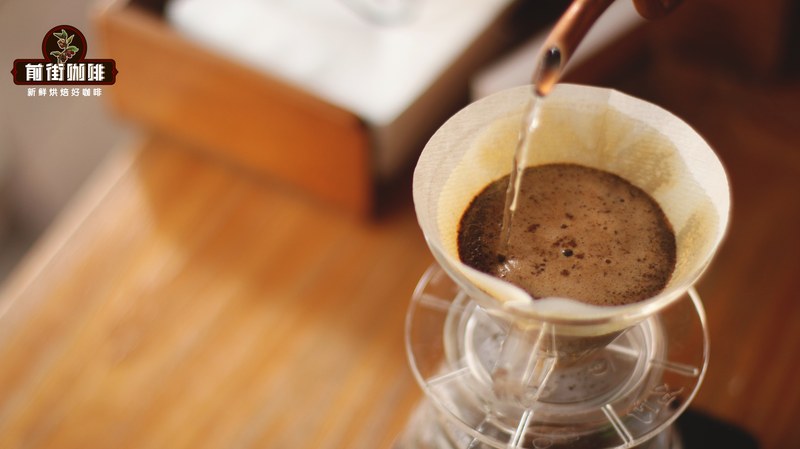
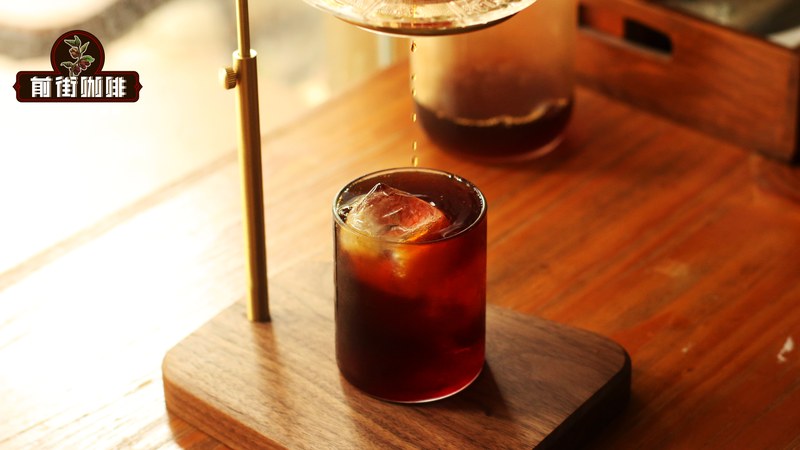
Besides espresso equipment, making a refreshing single-origin black coffee by hand with a dripper also requires rigorous parameter tuning. During pour-over, the water temperature and the way the water stream cuts in directly determine the release order of aromatic substances and organic acids. By adjusting the impact force of the water stream and the pouring stages, you can actively control the release ratio of acidity to the sweetness of the later stage, presenting a transparent and clear sense of layering.
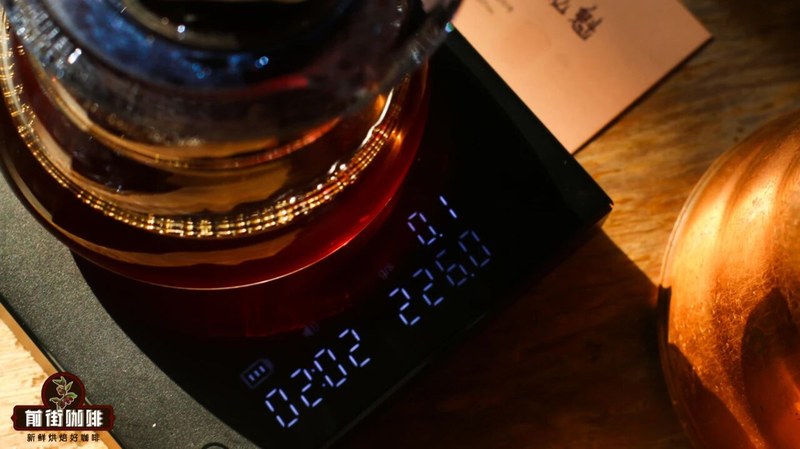
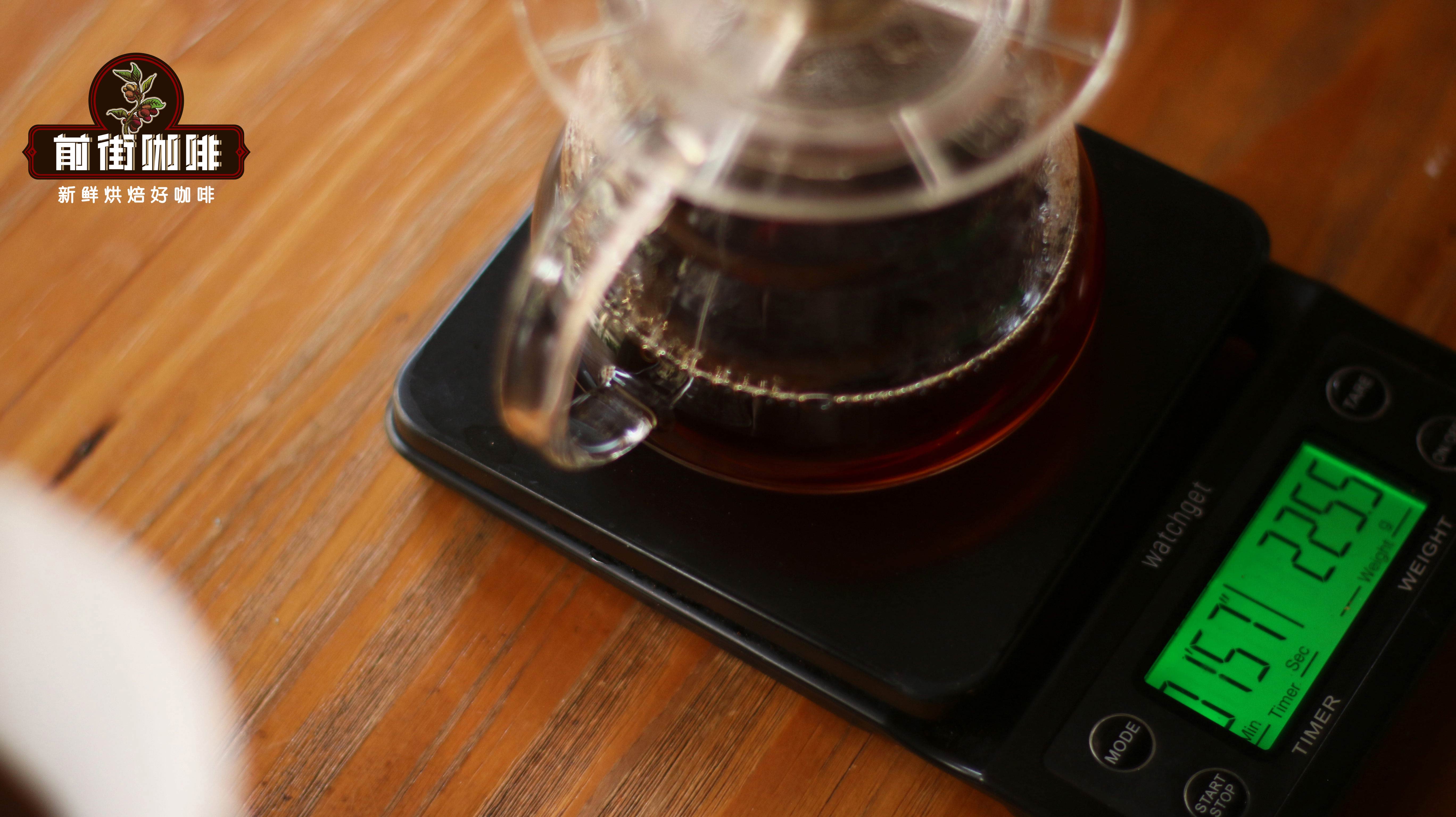
For those who prefer a juicy flavor, Qianjie Kenya Little Tomato is a distinctly characteristic bean, with a bright acidity like cherry tomatoes and a dark plum tonality. When brewing, it is recommended to weigh 15g of coffee grounds, set the grind to medium-fine, choose 90°C water temperature, control the coffee-to-water ratio at 1:15, for a total water volume of 225ml. Use a three-stage pouring method: first pour 30ml of water and let it bloom for 30 seconds, then gently pour in circles up to 130ml in the second stage and pause, and after the liquid level drops slightly, steadily pour up to 225ml to finish, keeping the total time at 2 minutes 05 seconds; the tail end brings out a full yellow-sugar sweetness.
If the acidity in the cup feels too prominent, fine-tuning the grind and the water flow rhythm often brings noticeable changes. Narrowing the grind setting by half a step can moderately increase the contact area between water and grounds, prompting the soluble solids of the middle and later stages to dissolve faster; or, on the premise of bright fruit acidity from a light roast, lowering the water temperature by 1°C to 2°C helps tame an overly direct, sharp acidity, letting the complex fruit aromas present themselves more smoothly.
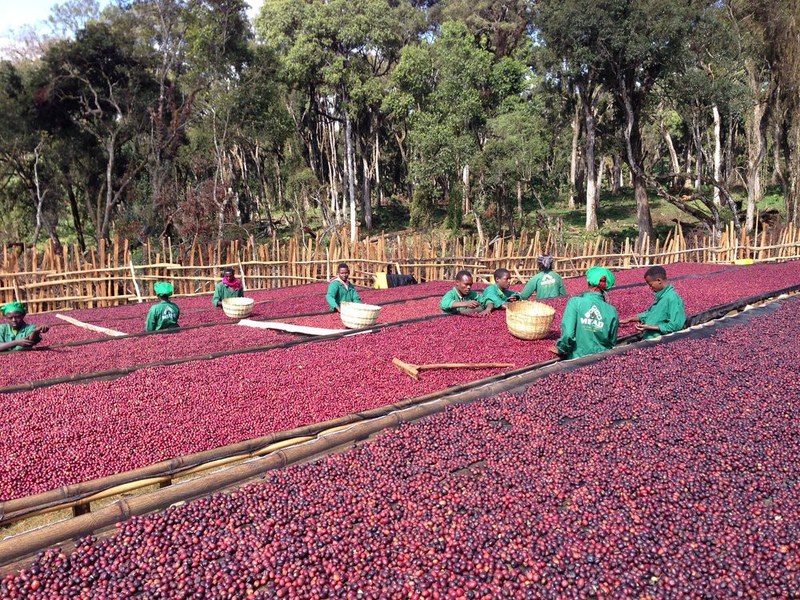
If you seek an elegant, balanced tea-like body with soft fruit acidity, Qianjie Kaffa Forest shows ripe apricot and a delicate oolong tea resonance. This bean is suited to 16g of grounds, a medium grind, 89°C water temperature, and a total water volume of 240ml. Use a two-stage pouring plan: first bloom with 40ml of hot water for 25 seconds, then pour evenly in circles from the center outward to fill up to 240ml in one go, keeping the total extraction time at 1 minute 50 seconds. At this point the orange and stone-fruit acidity appears light and soft, and the sweet aftertaste becomes more pronounced as the temperature drops.
At the dilution stage after the espresso is extracted, the temperature and ratio of the hot water added also affect how the taste buds perceive acidity. Hotter water can quickly bring out the volatile aromas in the espresso, while widening the coffee-to-water dilution ratio slightly from the conventional one can reduce the instantaneous impact of acidity on the tongue, moving the whole drink from rich to clear and bringing it closer to a mild fruit tea.
Different processing methods also place different demands on the extraction rhythm. Natural beans are themselves rich in mucilage and fructose, so staged pouring suits them, extending the contact time between water and grounds and amplifying the warm sweetness; washed beans have purer acidity, so a steady, continuous pouring method is suitable, maintaining the cleanliness and transparency of the flavor in the cup, letting each origin's characteristics express themselves clearly.
Once you have grasped the corresponding logic of water temperature, grind particle size and staged extraction, you can freely adjust the finished result according to the flavor direction of the beans on hand. Let the water stream precisely draw out the fruit aromas and sweetness inside single-origin beans, and every cup of homemade SOE Americano can show an ideal flavor of interwoven acidity and sweetness with rich layering.
Related Reading

Comments (0)
Loading comments...
You May Be Interested

Trending Reviews
Popular Videos

With you, wherever you are! We provide useful features to help you find new things you'll love






