Source:Best Coffee > News Author:qjroot Published:2026-09-18 17:13:43
The iconic charm of Blue Mountain coffee lies in its gentle, harmonious nutty and cocoa aroma with a hint of sugarcane sweetness, but many people overlook the influence of water quality when brewing. The vast majority of a cup of coffee is made up of water, and the calcium, magnesium and other mineral ions in water are precisely the key medium for capturing aromatic compounds. If the water quality is not chosen appropriately, even excellent-quality beans tend to taste flat and thin, or even reveal off-flavors, masking their original pure character.
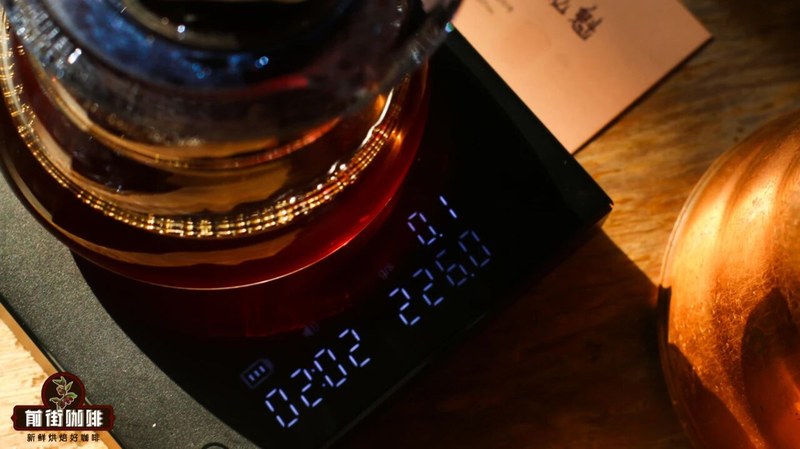
In everyday brewing, the water's total dissolved solids (TDS) and hardness directly affect the direction of flavor extraction. Hard water with high TDS and abundant bicarbonate tends to over-suppress delicate, soft fruit acidity, making the whole cup taste dull and lifeless; while purified water with very low TDS, though clean, has weak extraction power and often cannot fully draw out Blue Mountain's rich body and balance. Generally, water with a TDS of 50 to 100ppm and moderate hardness can more evenly reveal the full flavor profile.

When making coffee at home, the residual chlorine smell and scale left after boiling ordinary tap water easily affect the palate and obscure the coffee's delicate nutty aroma and sweet aftertaste. To steadily restore the true flavor of the coffee beans, switching to readily available natural spring water or low-mineral drinking water is a hassle-free approach. A moderate amount of mineral ions helps bring out Blue Mountain's distinctive warm sweetness without introducing harsh mineral off-flavors, making the mouthfeel feel especially round and smooth.
Once the water stage is properly adjusted, examining the flavor of Blue Mountain coffee becomes especially clear. Authentic high-quality Blue Mountain coffee has a clear cleanliness, and on the palate you can sense soft dark chocolate, roasted hazelnut and a delicate black tea finish, with acidity, bitterness and sweetness in proper balance and no sharp, pungent sensation. If it still tastes hollow and burnt-bitter even when brewed with suitable soft water, you need to re-check the green bean quality; tasting more single-origin coffees with vivid flavors can also help build a keen sensory reference.
To directly experience how water quality enhances floral and fruity aromas, Qianjie Ethiopia Huakui is a vivid example. This bean carries lively tropical fruit, strawberry and passion fruit-like ripe aromas. For pour-over, weigh out 15g of ground coffee, pour in 91°C hot water, and use a 1:15 coffee-to-water ratio to pour 225ml of water. First bloom with 30ml of hot water for 30 seconds, then use a three-stage pour, steadily circling in two rounds to fill, with the total time controlled at 2 minutes 05 seconds, and the full berry sweetness will unfold.
For those who prefer a bright, juicy feel and vivid acidity, Qianjie Kenya Little Tomato brings a strikingly layered flavor experience. It gives off cherry tomato-like fruit acidity, smoked plum notes and yellow sugar sweetness. To brew this light-medium roast bean, prepare 15g of grounds, use 90°C water temperature, and pour 225ml of water at a 1:15 coffee-to-water ratio. First bloom with 30ml of water for 30 seconds, then use a two-stage pour, steadily pouring in a continuous large stream, with a total time of about 1 minute 55 seconds; the minerals in the water make the sweet-tart sensation more lively.
For those who favor a delicate tea-like feel and mild citrus aroma, Qianjie Yirgacheffe Gudingding is also a very suitable single-origin. It has fresh citrus, soft berry and green tea-like sweetness, with a light body. When brewing, use 15g of ground coffee with 92°C water temperature, and pour 225ml of water at a 1:15 coffee-to-water ratio. Likewise complete a 30-second bloom with 30ml of water, then use a three-stage pour, slowly circling in the water, keeping the total time at exactly 2 minutes. Soft water allows the floral and fruity aromas to be fully released, and after slight cooling it is like drinking a fragrant fruit tea.
Besides paying attention to water hardness, brewing temperature is also a switch that awakens the hidden flavors of the beans. For medium-dark roasted beans in the Blue Mountain style that emphasize balance and richness, the water temperature can be adjusted slightly to around 88°C to reduce the faint off-flavors brought by over-extraction and make the sweet aroma of cocoa and maltose more prominent; while for light-roasted floral and fruity beans, using a slightly higher water temperature accelerates the release of uplifting aroma molecules.
By letting water temperature and grind size work together, the flavor compounds in the coffee bed can dissolve into the water at an ideal pace. The coarseness determines the resistance of hot water flowing through the coffee bed and the steeping time, and is closely tied to the dissolution rate of mineral ions. Finely adjusting the match between water temperature and grind size allows you to extract abundant sweetness while effectively avoiding the undesirable woody, astringent tail-end notes.
The joy of brewing a satisfying cup of coffee lies precisely in the tacit interplay between water quality, temperature and the characteristics of the beans. Learn to choose the right water for your coffee beans and master the coffee-to-water ratio and pouring rhythm; with no need for complicated techniques, you can fully capture the layers and sweet aftertaste a region should have in a fragrant cup every day, and feel the pure and broad flavor world of black coffee.
Related Reading


Comments (0)
Loading comments...
You May Be Interested

Trending Reviews
Popular Videos

With you, wherever you are! We provide useful features to help you find new things you'll love






