Source:Best Coffee > News Author:qjroot Published:2024-11-25 16:01:26
Ethiopia
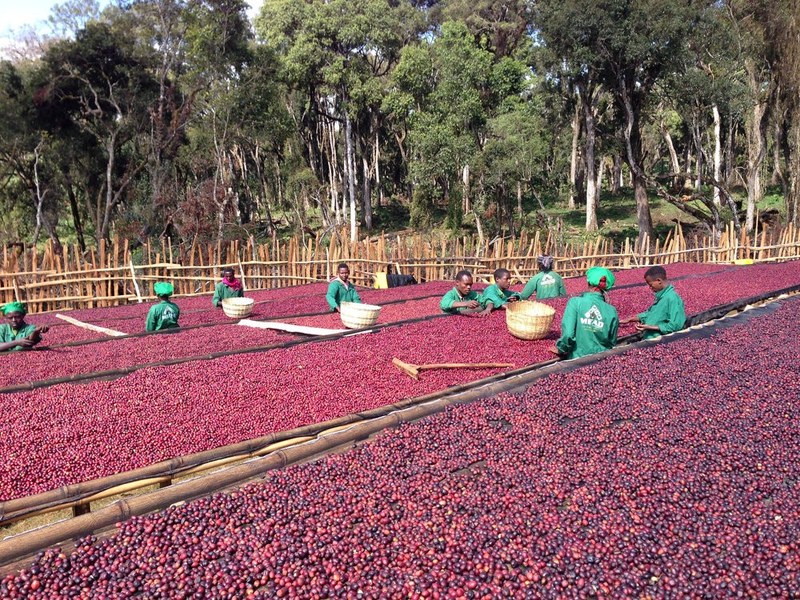
For coffee enthusiasts, Ethiopia is a sacred place. This country is the birthplace of coffee and is now the largest producer of Arabica coffee in Africa.
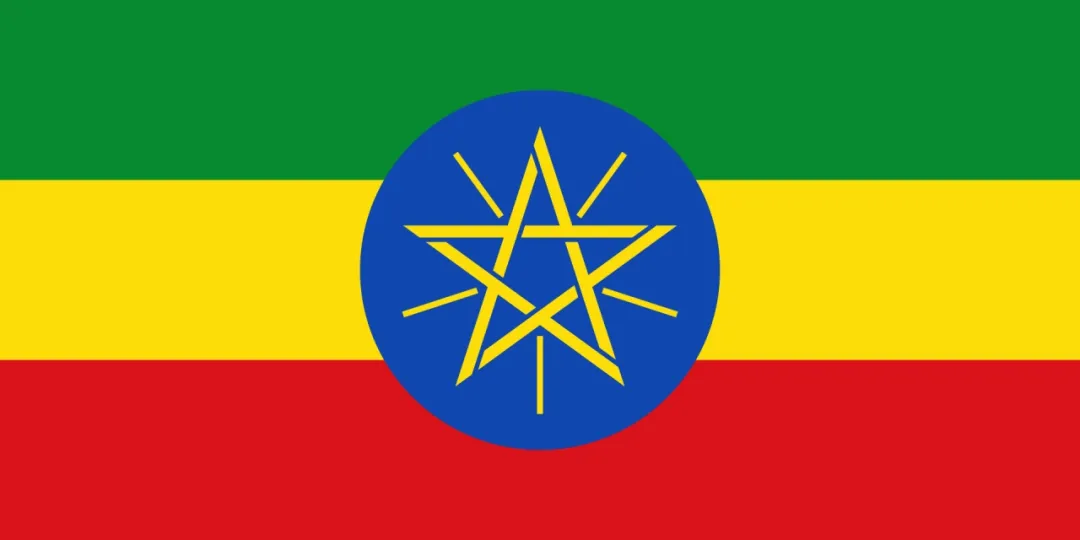
The flag of Ethiopia consists of three horizontal equal-sized rectangles arranged from top to bottom in green, yellow, and red, with the national emblem in the center. Green represents fertile land, mild climate, abundant plant resources, and also symbolizes hope for the future. Yellow stands for peace and fraternity, and also represents the people’s determination to build the nation. Red symbolizes the willingness of the people to shed blood for the defense of the country. The central emblem is a golden five-pointed star radiating rays on a blue circle. Blue symbolizes peace, the rays represent prosperity, and the five-pointed star stands for diversity and unity.
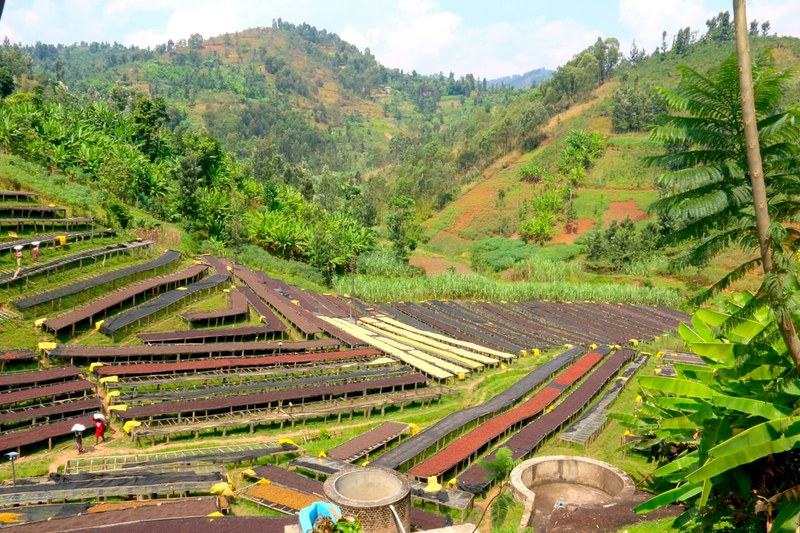
Meanwhile, Ethiopia’s average elevation across the country is 2,450 meters. Such high altitude results in an annual average temperature of 16°C, with the year roughly divided into dry and rainy seasons, and total annual rainfall of 1,237 millimeters. The country is rich in natural resources, boasting abundant water resources, high-altitude mountainous regions, and over 50 volcanoes. These resources also make it an ideal area for coffee cultivation.
Sidamo: After Ethiopia adopted a federal system of governance in 1995, and out of respect for the cultures of its various ethnic groups, the local government also reorganized administrative regions according to the primary ethnic settlements and languages. As a result, Sidama was placed under the jurisdiction of the newly established Southern Nations, Nationalities, and Peoples' Region, which was also renamed back to its historical name: Sidama.
But at the time, in order to promote the uniqueness of its domestic coffee, the Ethiopian government applied for patents for three regional names in 2004, selecting the old name Sidamo® as the registered trademark for coffee from Sidama. To this day, domestic consumers still commonly refer to the coffee from this region as “Sidamo.” Sidamo spans the fertile highlands south of Lake Awasa in the East African Rift Valley, with elevations ranging between 1400–2200m and annual rainfall between 1200–2000mm. The high altitude, abundant rainfall, pleasant climate, and fertile soil provide an ideal environment for coffee cultivation. The Sidamo region is home to many well-known processing facilities, such as the Santa Vini washing station and the Gorse washing station.
Yirgacheffe (YirgaCheffe): Yirgacheffe is a small town in the northwest of the Sidamo region, located on the eastern edge of the East African Rift Valley and one of Ethiopia’s highest-altitude coffee-growing areas, with elevations between 1750–2200 meters. In the ancient language, Yirga means “to settle down,” and Cheffe means “wetland.” Due to Yirgacheffe’s humid and mild climate, abundant rainfall, fertile land, and ample sunlight, this region originally fell under the administration of Sidamo. However, because it produces coffee beans with unique floral and fruity aromas, unpredictable profiles, and distinctive flavors, it was designated as an independent coffee-growing region.
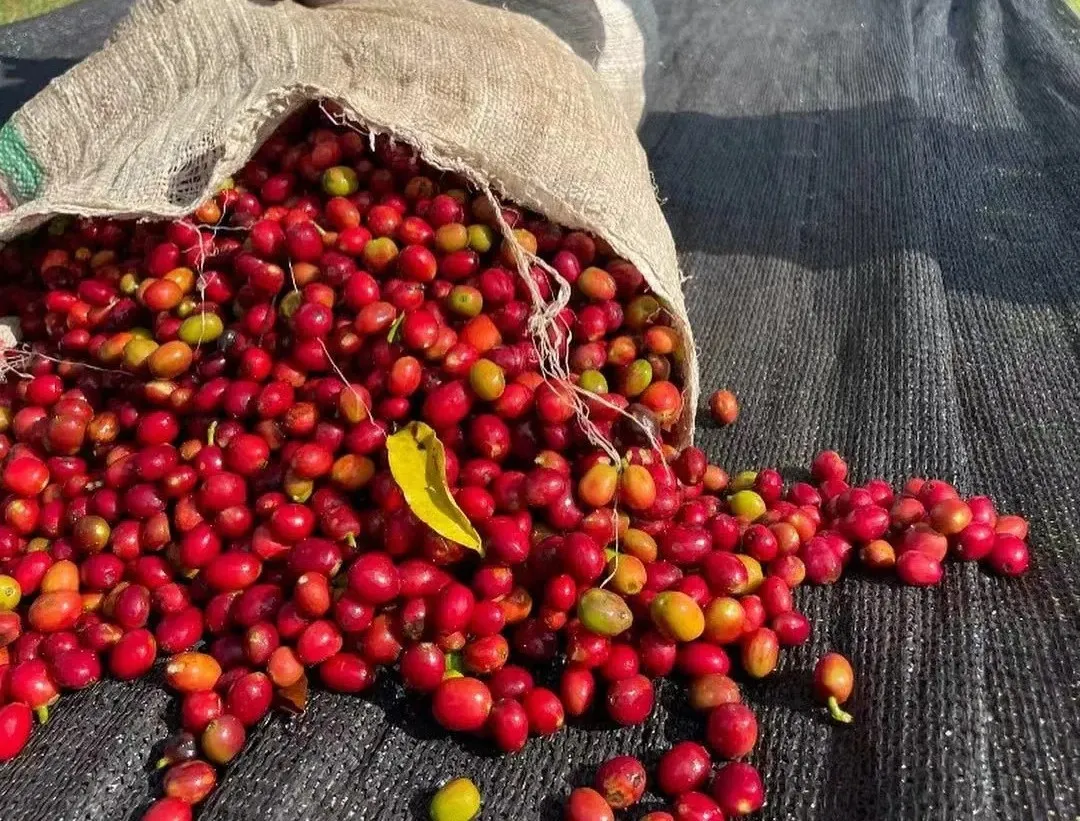
Guji: The Guji region was once part of the Sidamo region. Due to its outstanding and highly distinctive flavor profile, it was designated as a separate production area by the Ethiopian Commodity Exchange (ECX) in 2010. Located in southern Ethiopia, the region features towering mountains, highlands, plateaus, valleys, and plains, with complex and varied terrain. These diverse landforms create a range of microclimates, along with volcanic soils and dense forests. The average altitude exceeds 1,800 meters, and the significant diurnal temperature variation slows the growth rate of coffee cherries, allowing the beans to develop rich flavors. The Guji region also includes several sub-regions such as Hambella, Uraga, and Shakiso, among which Hambella is well known for its Huaca coffee beans.
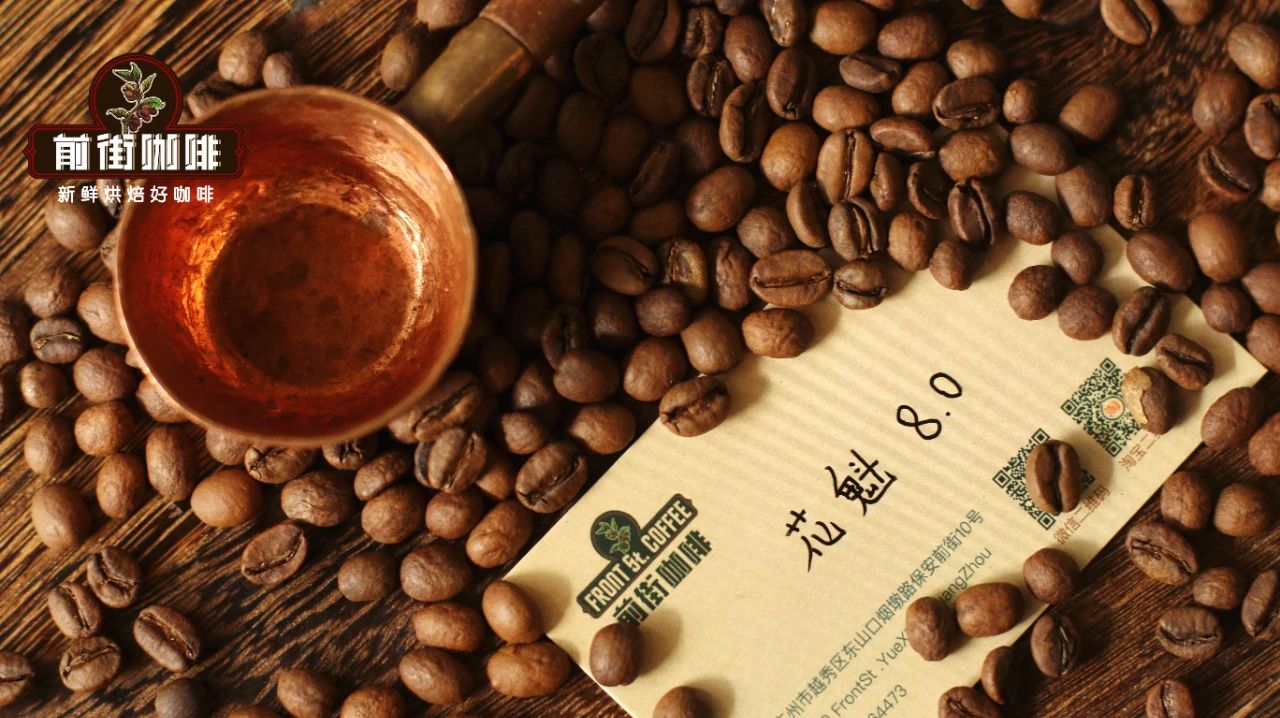
FrontStreet Coffee: Beginner’s Selection Yirgacheffe Coffee Beans
Related Reading
Comments (0)
Loading comments...
You May Be Interested


Trending Reviews
2024-10-11
Popular Videos

With you, wherever you are! We provide useful features to help you find new things you'll love






