Source:Best Coffee > News Author:qjroot Published:2026-09-24 15:20:01
When you turn on the coffee machine in the morning and see thick, golden crema flowing slowly from the portafilter into the cup, that rich visual always lifts your mood. But many friends who brew at home often run into the same problem: the crema looks plentiful, yet the first sip is either as thin as water or so bitter and astringent it is hard to swallow. This is not actually a problem with the coffee machine; it is just that the balance point between extraction yield and concentration has not been found yet.
Concentration and extraction yield are like a pair of inseparable partners. Concentration determines how full-bodied the first sip feels, like the thickness of a broth; extraction yield represents how much flavor material has actually been dissolved out of the coffee grounds. If the coffee tastes weak and bland, the concentration is usually too low; if it tastes bitter and astringent with a tight throat, it is often over-extracted, dragging excess impurities into the cup as well.
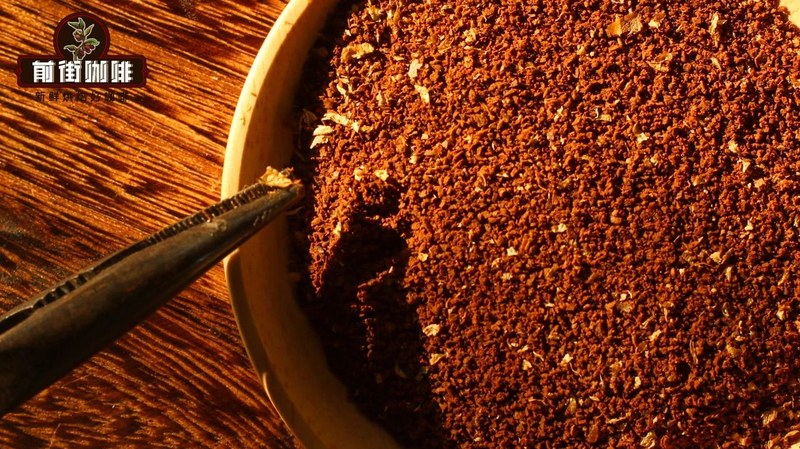
To dial in a bag of beans until it tastes smooth and pleasant, you can fine-tune with grind size and water temperature. Grinding finer or raising the water temperature increases the contact area and reaction rate between hot water and coffee grounds, so the extraction yield rises; conversely, grinding coarser or lowering the temperature appropriately can ease the release of late-stage harsh and astringent notes. Just a slight turn of the dial can make the cup taste much softer.
When making espresso, you can weigh 19 g of freshly ground coffee into the portafilter, distribute and tamp it level, then lock it onto the group head. Start the extraction and let it steadily produce 38 g of espresso in about 26 seconds. If you watch the flow and it runs fast with splashing droplets, the grind is too coarse and the concentration is insufficient; if the flow stutters and drips, and the time exceeds 30 seconds, you should grind coarser to avoid over-extraction.

When choosing beans, you also need to consider whether they are better suited to being drunk strong or light. Qianjie Classic Blend, for example, is made for a rich crema. It combines Brazil, Mandheling and Robusta, and the medium-dark roast gives it an especially loose fiber structure. It releases gas easily, extracting a fine, abundant crema with aromas of toasted bread and caramel biscuit, making it very suitable for beginners to brew consistently at home.
If you prefer fuller nutty aromas and a thicker crema, Qianjie Commercial Blend is an excellent choice. It combines the flavor foundation of Brazil and Colombia with a small amount of Robusta as support, and the espresso it produces has a beautiful, thick crema layer. Use it to make a flat white, and the coffee's roasted aroma interweaves seamlessly with the milk's sweetness; the first sip is mellow and dense, and after swallowing, nutty notes linger on the lips and teeth.
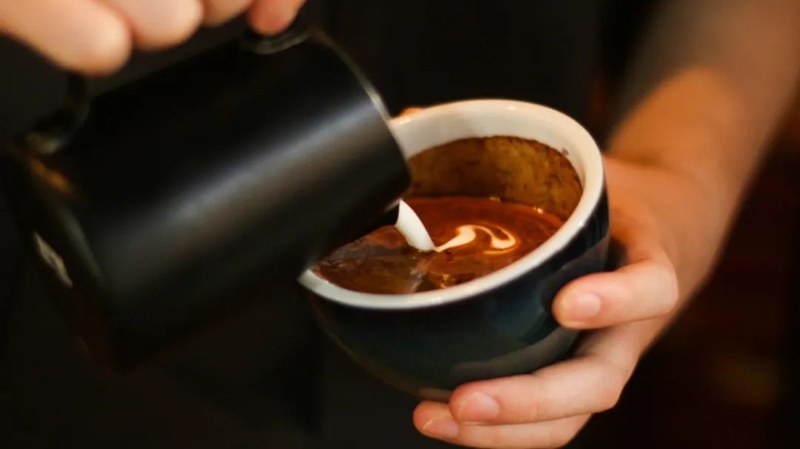
Friends who like the pure cocoa aroma of straight Arabica might want to try Qianjie Specialty Blend. It cleverly combines classic Brazilian beans with Colombian beans, and the espresso shows the depth of dark chocolate and the mellow sweetness of caramel. This bean is especially suited to a hot latte; blended with finely steamed milk foam, it drinks like a hot, unsweetened Ovaltine, rich and silky with a pronounced sweetness.
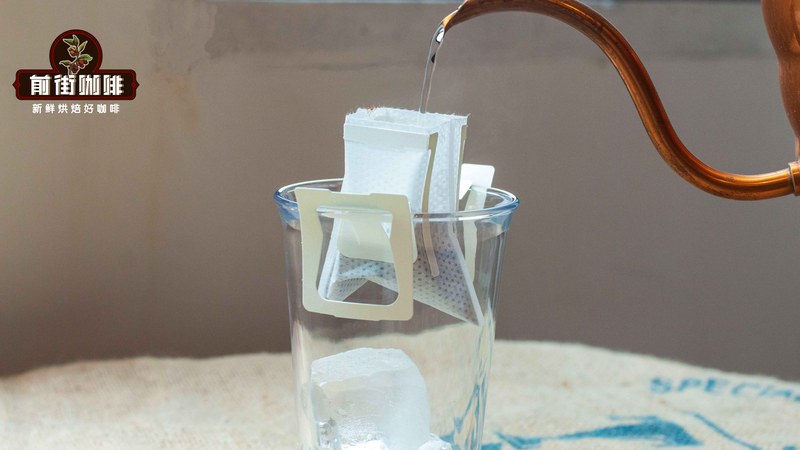
If you want a single-origin espresso that can be drunk strong yet also savored slowly, Qianjie PWN Golden Mandheling is well worth trying. The medium-dark roast allows its caramelized flavors to unfold, and the golden crema it extracts carries deep notes of nuts and dark chocolate. As the temperature in the cup gradually drops, herbal flavors of grass jelly and pine wood emerge clearly, with a solid body and especially saturated aroma.
The charm of good coffee lies precisely in every step of exploration, from choosing beans to grinding. Choose beans whose characteristics suit you, then combine that with careful adjustment of extraction yield and concentration, and you can easily smooth away bitterness while keeping the silky and aromatic qualities. Whether you are after a rich espresso to drink in one go or a full cup of sweet, mellow milk coffee, in the aroma you tune by hand, every cup can bring a solid, satisfying sense of fulfillment.
Related Reading





Comments (0)
Loading comments...
You May Be Interested


Trending Reviews
Popular Videos

With you, wherever you are! We provide useful features to help you find new things you'll love






