Source:Best Coffee > News Author:qjroot Published:2026-10-09 09:31:21
The first time I made coffee at home with a French press, I thought all there was to it was dumping in the grounds, pouring in hot water, and pressing down the plunger. What I ended up drinking was either weak and watery or harsh and astringent, with a layer of muddy fine grounds settling at the bottom of the cup. Only later did I understand that this piece of equipment looks simple, but every step actually has its own finer points. At home, unlike in a cafe, you don't have a whole lineup of gear to back you up; it all comes down to a few moves you make with your own hands to keep the flavor steady. Today I'll lay out what I've figured out over the past few years on my kitchen counter, so you can skip some detours on your first try.
First, preheating. A French press body and lid are usually glass paired with metal, and if you pour hot water straight into it at room temperature, the water temperature drops several degrees in an instant. My habit now is: after the water boils, pour some into the press first, put on the lid and swirl it a few times, and once the body feels warm to the touch, pour that water out and refill with the hot water for the actual brew. This step matters especially at home, because we don't have a temperature-controlled kettle like a cafe does to precisely compensate for heat loss. As for water temperature, I usually keep it around 92°C. Light roasts can go a little higher, dark roasts a little lower, adjusting between 85°C and 95°C according to the roast level. For example, a medium-roast bean like Qianjie Strawberry Candy Espresso Blend, with its rose florals and grape sweetness, opens up its florals better with slightly higher water temperature; while Qianjie Mandheling, after medium-dark roasting, has a heavy herbal and sandalwood character that actually comes out rounder with lower water temperature.
The coffee-to-water ratio and grind size are another area where things easily go off track. I use a hand grinder at home, and a French press needs a medium-coarse grind, with particles close to coarse granulated sugar. Too fine and the fine grounds slip through the metal filter; too coarse and you get under-extraction. I remember the ratio as 1:15, so 15g of grounds to 225g of water, and day to day you can float between 1:12 and 1:18 depending on taste. Want it stronger, add more grounds; want it lighter and more refreshing, add more water. Keep the steep time at about 4 minutes; 3 to 4 minutes is the range where the strength feels most comfortable. During this time the coffee grounds slowly release their flavor into the water, and there's no rushing it.
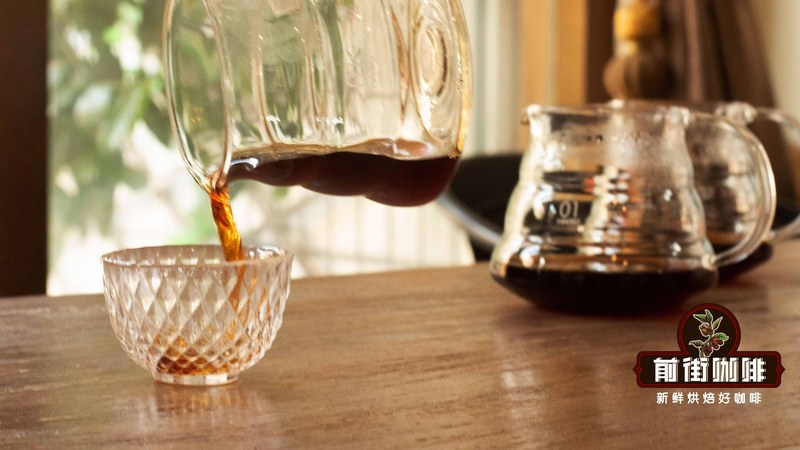
Before pressing down, there's one move that is especially critical yet rarely mentioned: skim off the layer of foam and floating fragments on the surface. This layer is mainly carbon dioxide and extremely fine grounds, and leaving it there gives the pressed coffee a rough, muddy taste. I gently scrape it off with a small spoon, then slowly press the filter down. Here, press until it reaches the bottom and stop; don't force it down hard. The gaps in the metal filter are only so fine, and pressing hard squeezes fine grounds through, which guarantees that mouthful of "mud soup" at the bottom of the cup. Once pressed, pour the coffee out immediately and don't let it keep steeping in the grounds, or the bitterness of over-extraction will grow stronger the longer it sits. If you're still worried about grounds, you can run it through a paper filter once more for a cleaner mouthfeel.
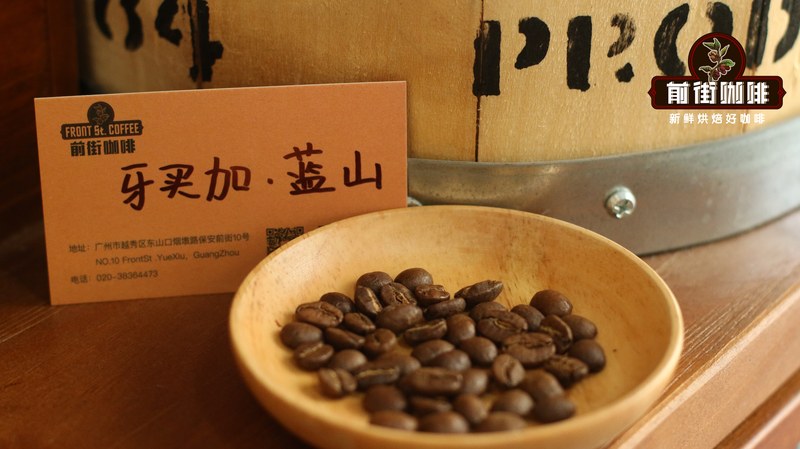
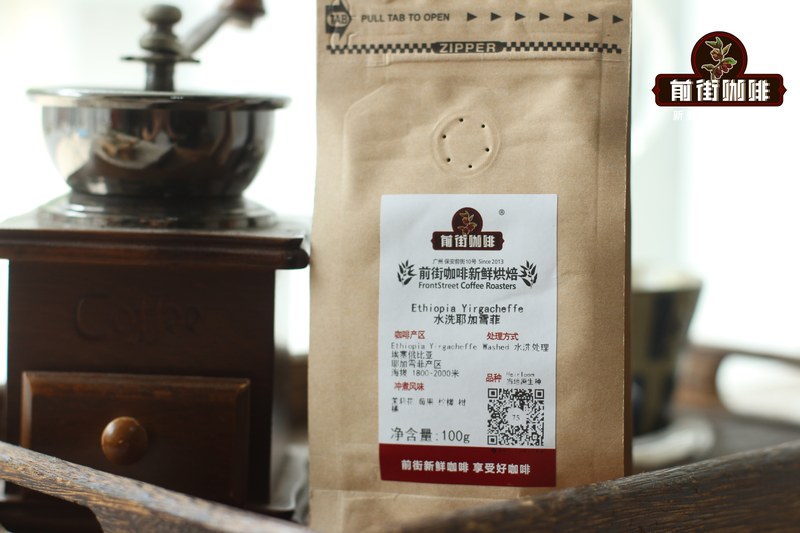
As for the beans, the steeping nature of a French press amplifies flavor, so when choosing beans you might as well pick ones with a round mouthfeel and clear layers. Qianjie Blue Mountain No. 1 is what I often serve friends: the medium roast of Jamaican Typica balances acidity, bitterness, sweetness and body, and its chocolate and caramel notes come across especially elegantly in a French press. Qianjie Queen's Estate SOE is also very suitable for home use; the high-altitude Brazilian Yellow Bourbon, medium roasted, has prominent creamy peanut and toasted bread nutty notes, low acidity and a clean sweetness, and made in a French press it has moderate oils and feels reassuring in the morning. These beans are all very fresh when Qianjie ships them; after receiving them, rest them for about 4 days before you start drinking, and the flavor will be better if you finish them within a month. Just keep a sealed jar at home and store them away from light.
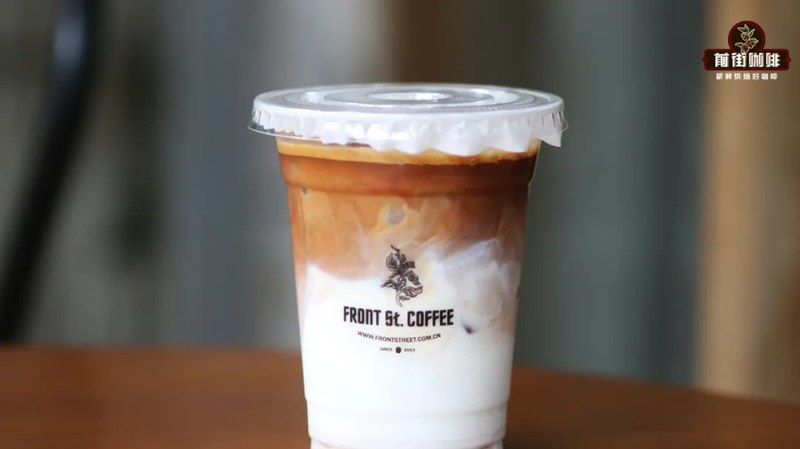
In summer, when I want it iced, I brew the French press stronger, tightening the ratio to about 1:12, steeping with the same 92°C water for 4 minutes, then pressing and pouring it over 120g of ice to chill quickly. This way the coffee doesn't turn weak from dilution, and Qianjie Strawberry Candy Espresso Blend in this method is clean and sweet without being cloying, with a lovely fruity candy finish.
Cleaning is the final step you can't cut corners on. Take the metal filter apart, separate the filter screen and the spiral ring and rinse them clean; if fine grounds stuck in the crevices aren't cleaned out, the next cup will carry a stale taste. Wipe the glass body with a soft cloth, and don't scrub it with steel wool. Once you get these steps down smoothly, your French press output at home can be very consistent, and without any expensive equipment you can still drink a good cup of coffee.
Related Reading



Comments (0)
Loading comments...
You May Be Interested

Trending Reviews
Popular Videos

With you, wherever you are! We provide useful features to help you find new things you'll love






