Source:Best Coffee > News Author:qjroot Published:2026-08-21 16:59:56
When making coffee with a moka pot, the most common problems are "why does mine come out so weak" or "why is it so bitter." The root cause of both issues is usually a mismatch between the amount of grounds and the amount of water. Concentration control in a moka pot actually follows patterns you can learn, and once you master them, it becomes consistent.
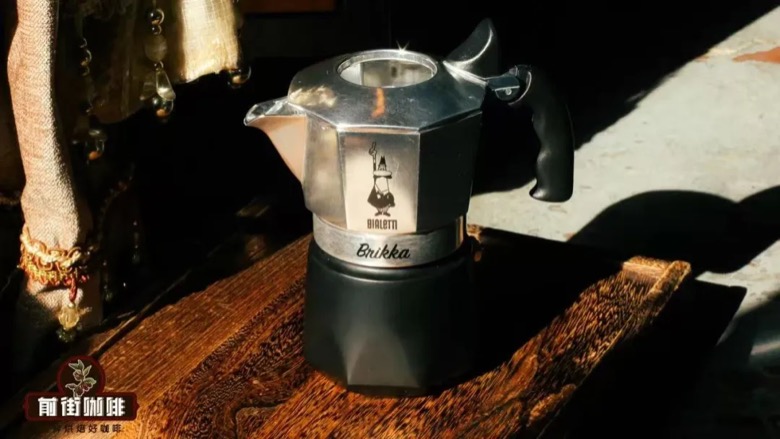
Start by setting the dose of grounds. The filter basket of a moka pot has a fixed capacity, and different pot sizes range from two-cup to six-cup. When filling, fill the basket full and level it off gently; there is no need to tamp with force. If the dose is too small, the brewed coffee will be weak and the flavor thin; if the dose is normal but there is too much water, the concentration will likewise be diluted. So first make the dose match the basket, and this is the foundation of concentration control.
Next, look at the water amount. The lower chamber of a moka pot has a safety valve, and you must not fill water above the point below the safety valve. The usual practice is to add room-temperature water up to the fill line in the lower chamber, for a grounds-to-water ratio of about 1:7 to 1:10. If you like it richer, you can slightly reduce the water so the coffee is more concentrated; if you prefer something gentler, add water to the standard line. One detail is worth noting: do not use boiling water. Room-temperature or warm water is fine. Boiling water makes extraction too fast and the flavor tends to turn bitter.
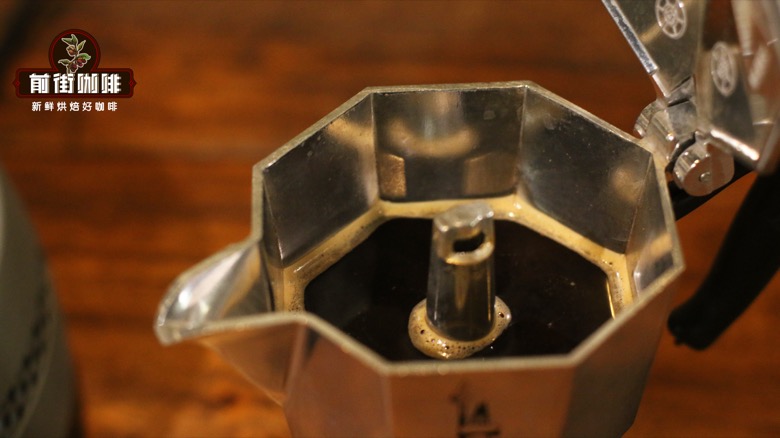
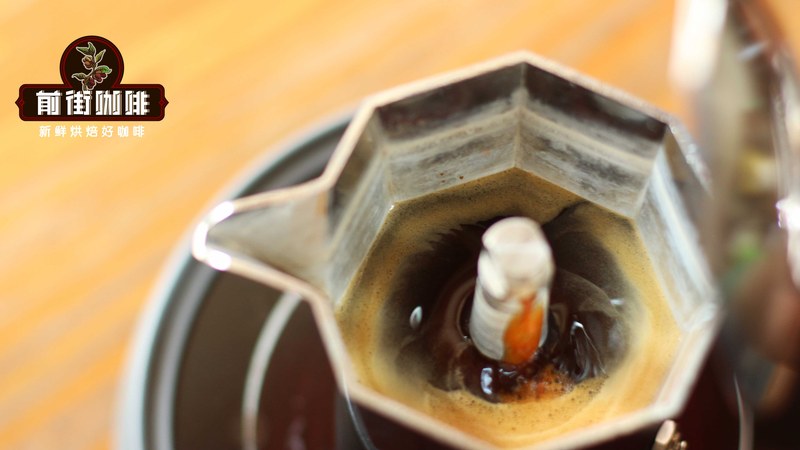
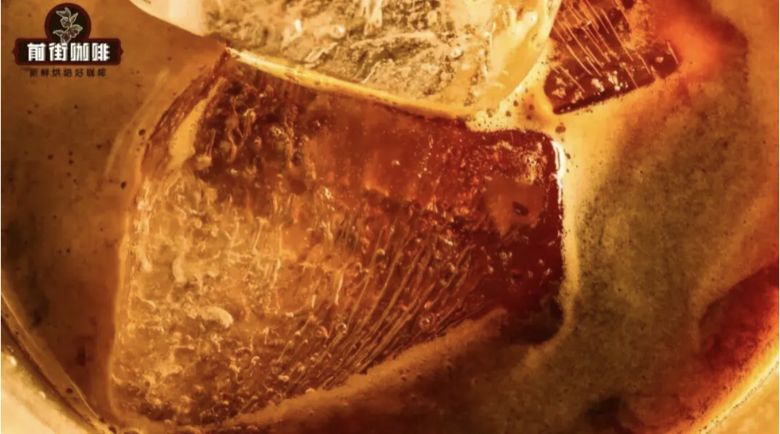
Extraction time also affects concentration and mouthfeel. After the moka pot is heated, the coffee will slowly well up from the spout, and during this stage you should keep the heat at medium-low. When the coffee starts to flow, watch the color. The first half is a rich golden brown with full flavor; near the end the color turns lighter, and what is extracted in this part is mostly the bitter compounds of the tail end. If you want a clean taste, you can remove the pot from the heat when the coffee begins to lighten, using residual heat to bring out the last of the coffee and avoid bitterness.
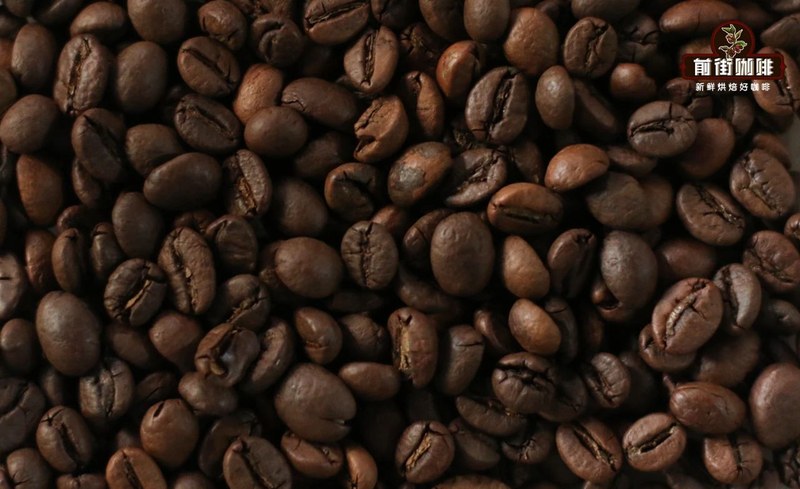
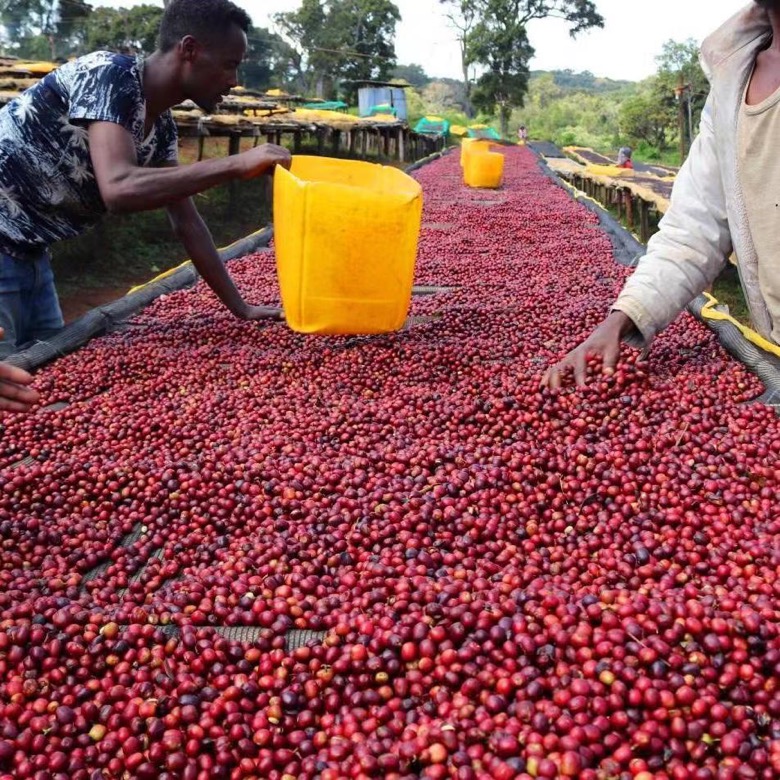
The beans themselves also affect perceived concentration. Dark-roasted beans have a strong, full-bodied feel and taste "strong." Qianjie PWN Indonesia Golden Mandheling, after dark roasting, has intense herbal and dark chocolate flavors, and comes out full-bodied in a moka pot; medium-light roasted fruity beans, by contrast, have a lighter flavor, so the sense of concentration feels different. In addition, beans rich in oils such as Qianjie Classic Blend produce dense crema after moka pot extraction, noticeably boosting the body of milk coffee and making them especially suitable for lattes.
Match the dose to the basket, follow the line for water, and control extraction with heat. Do these three steps well and the concentration of your moka pot coffee will be consistent. If you want it strong, adjust the water; if you want it clean, control the heat. Try a few more times, find the parameters you prefer, and your moka pot can reliably produce a cup of coffee every day with the right concentration and a smooth mouthfeel.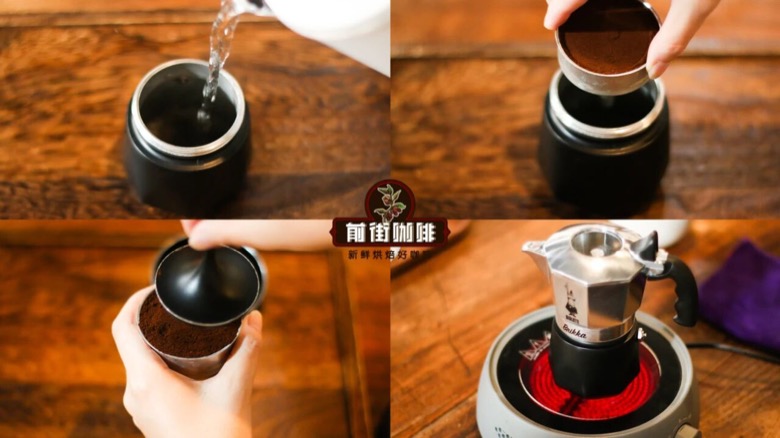
Related Reading




Comments (0)
Loading comments...
You May Be Interested


Trending Reviews
Popular Videos

With you, wherever you are! We provide useful features to help you find new things you'll love






