Source:Best Coffee > News Author:qjroot Published:2026-05-18 11:59:36
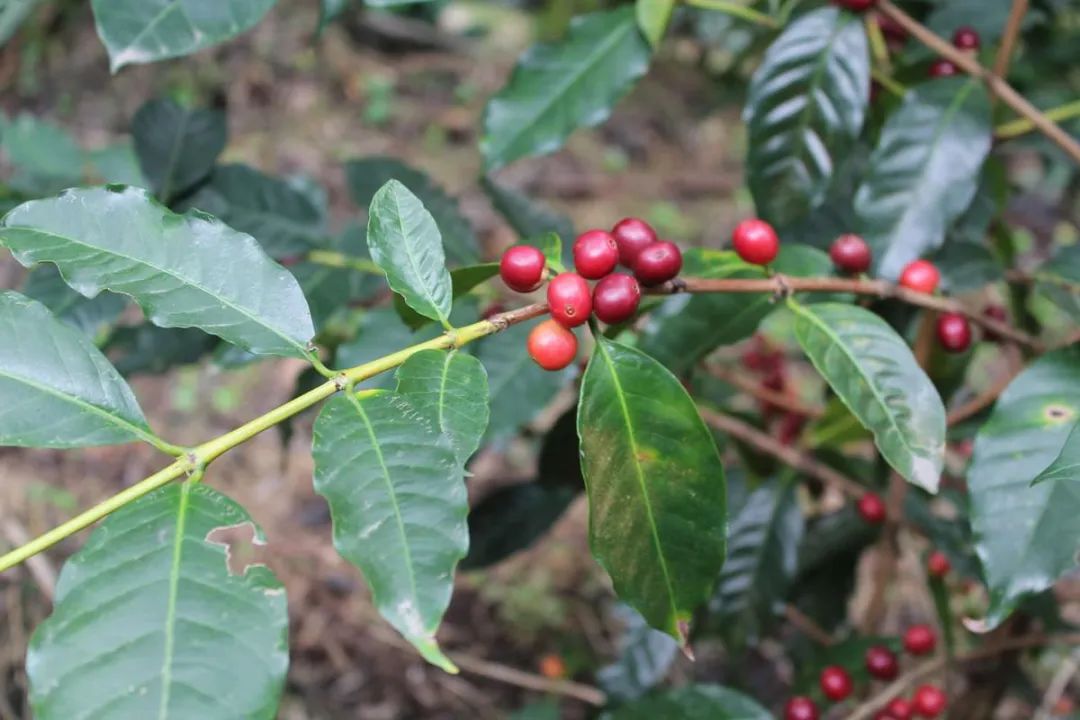
Typica is one of the most genetically important Arabica varieties in the world. It is characterized by a tall plant, excellent quality, suitability for growing at high altitudes, and adaptability to low temperatures, but its yield is relatively low, and it is relatively fragile, susceptible to coffee leaf rust, with weak resistance to disease and pests.
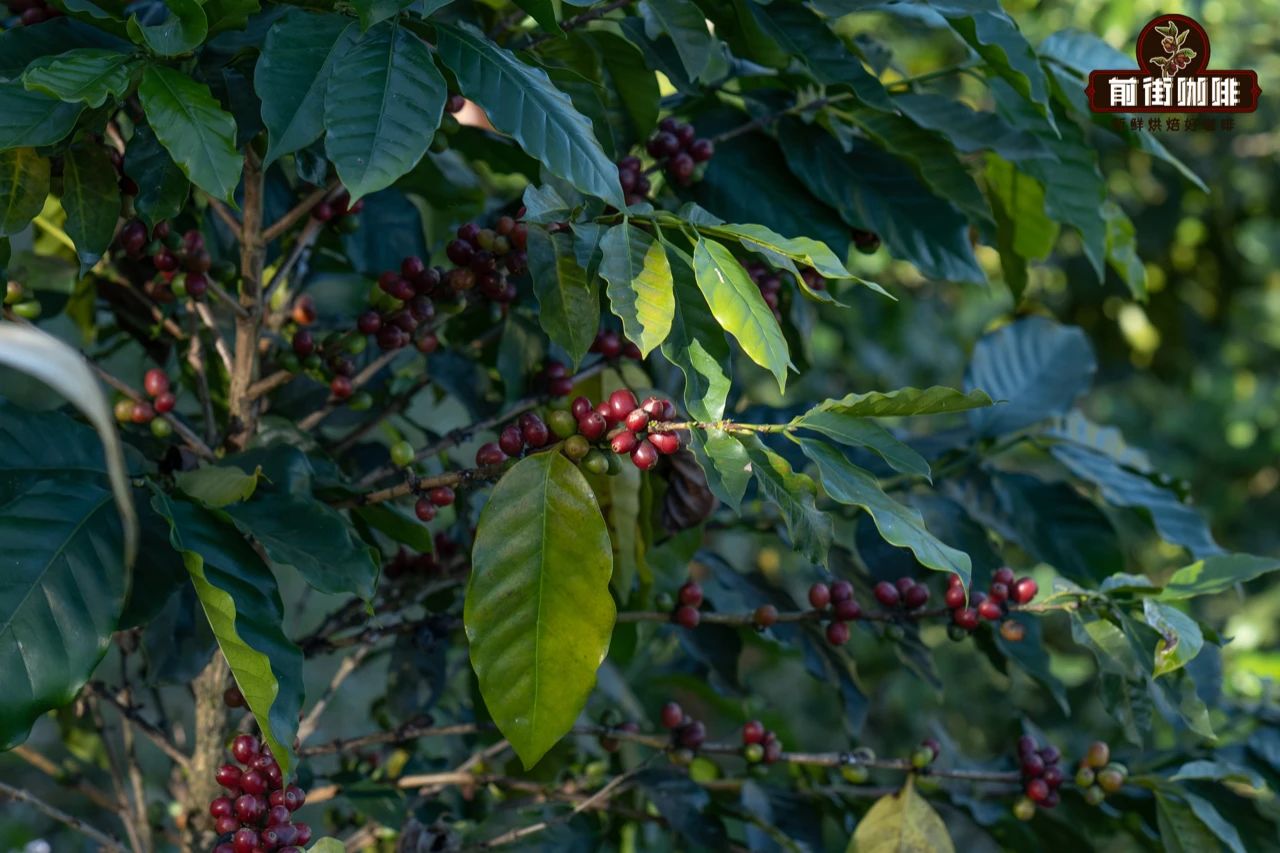
In the mid-20th century, most coffee estates in Central and South America planted the Typica variety, but because of its low yield and susceptibility to disease and pests, Typica was gradually replaced by some new varieties. However, some countries still grow Typica, such as Peru, Yunnan, China, Jamaica and Papua New Guinea.
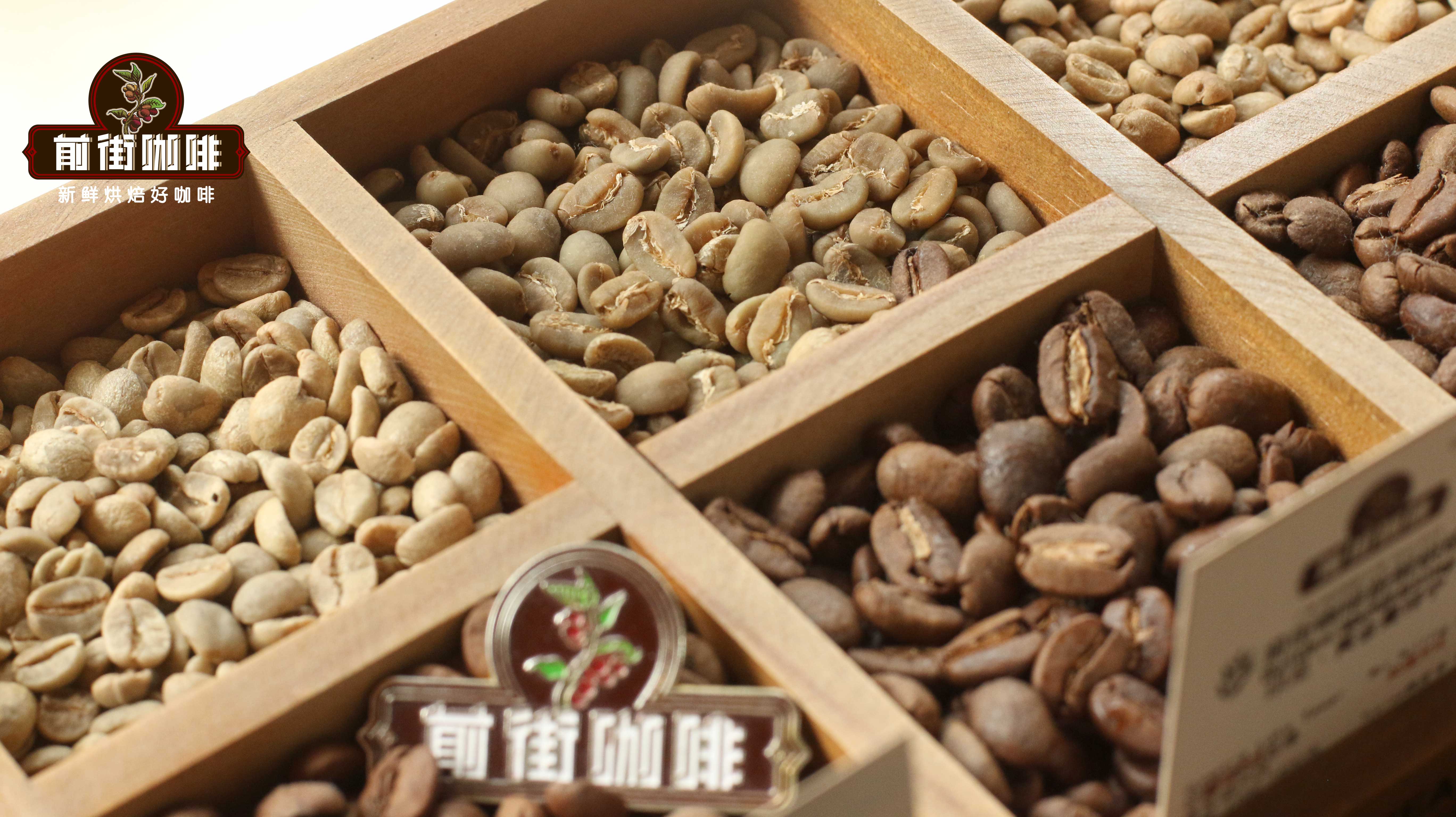
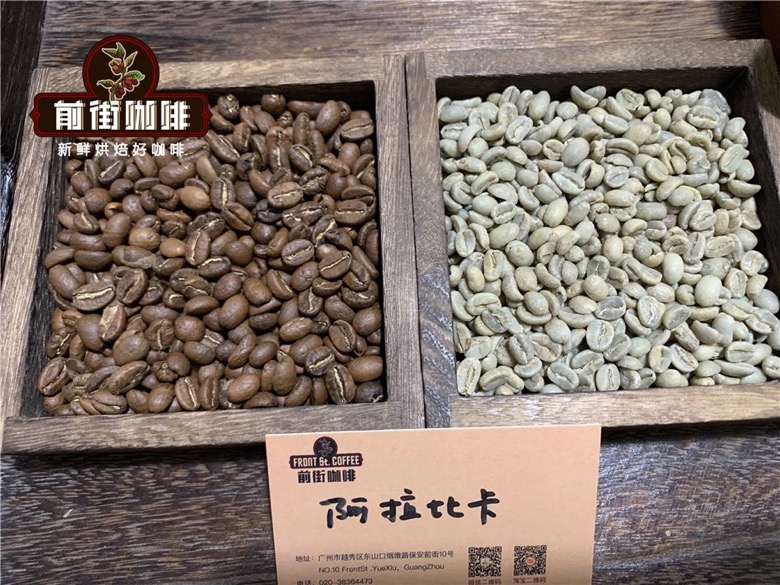
At FrontStreet Coffee, there are Jamaica Blue Mountain coffee, Papua Bird of Paradise coffee and FrontStreet 2013 Yunnan Typica coffee beans. Among them, Jamaica Blue Mountain coffee is the most well known, but the coffee produced in Papua also has the title of "Little Blue Mountain", and many people ask what the difference is between these two producing countries that also grow Typica coffee?
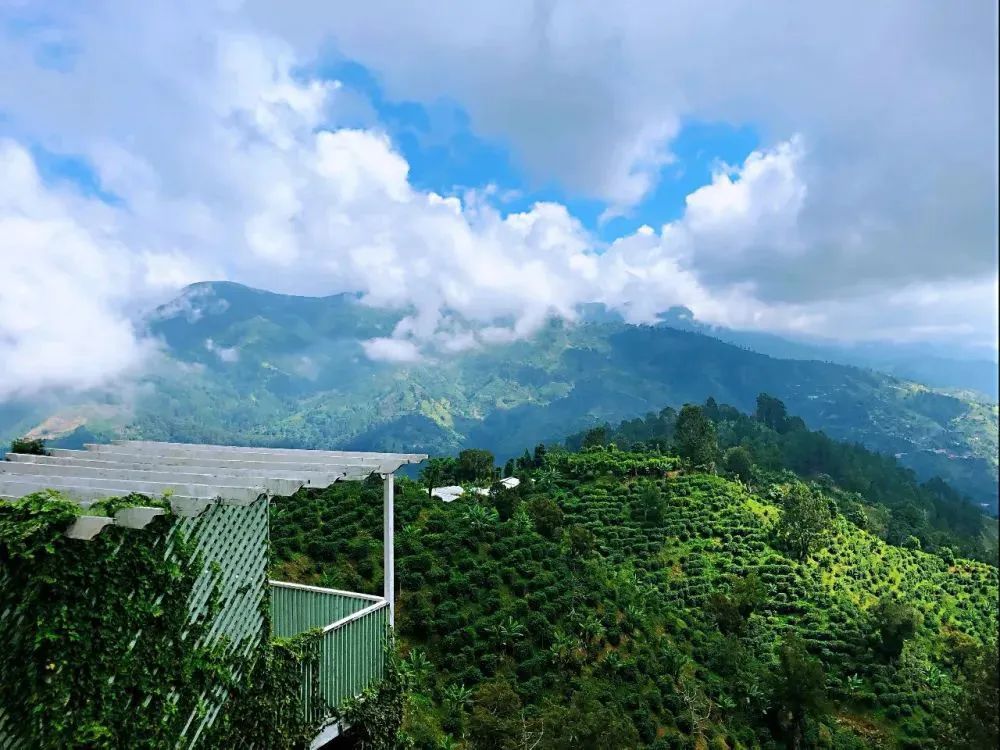
First, Jamaica has a long history of coffee, having grown the Typica variety for a long time, and under years of careful cultivation in Jamaica, the Typica variety has adapted well to the local climate and soil and evolved better disease resistance. In 1931, in order to improve Papua's coffee commercial development, Jamaica's Typica variety was introduced for planting, and because the environmental and climatic conditions of the two regions are similar, these seeds quickly adapted to the local environment, which is why Papua's coffee has the title of "Little Blue Mountain".
Both Jamaica and Papua belong to island-type coffee producing regions. Island-type coffee refers to coffee grown on islands, and these islands usually have unique geographical environments and climatic conditions, so the coffee grown there has unique flavor and quality. Island-type coffee is mainly distributed on some islands in the Caribbean Sea, the Pacific Ocean and the Indian Ocean.
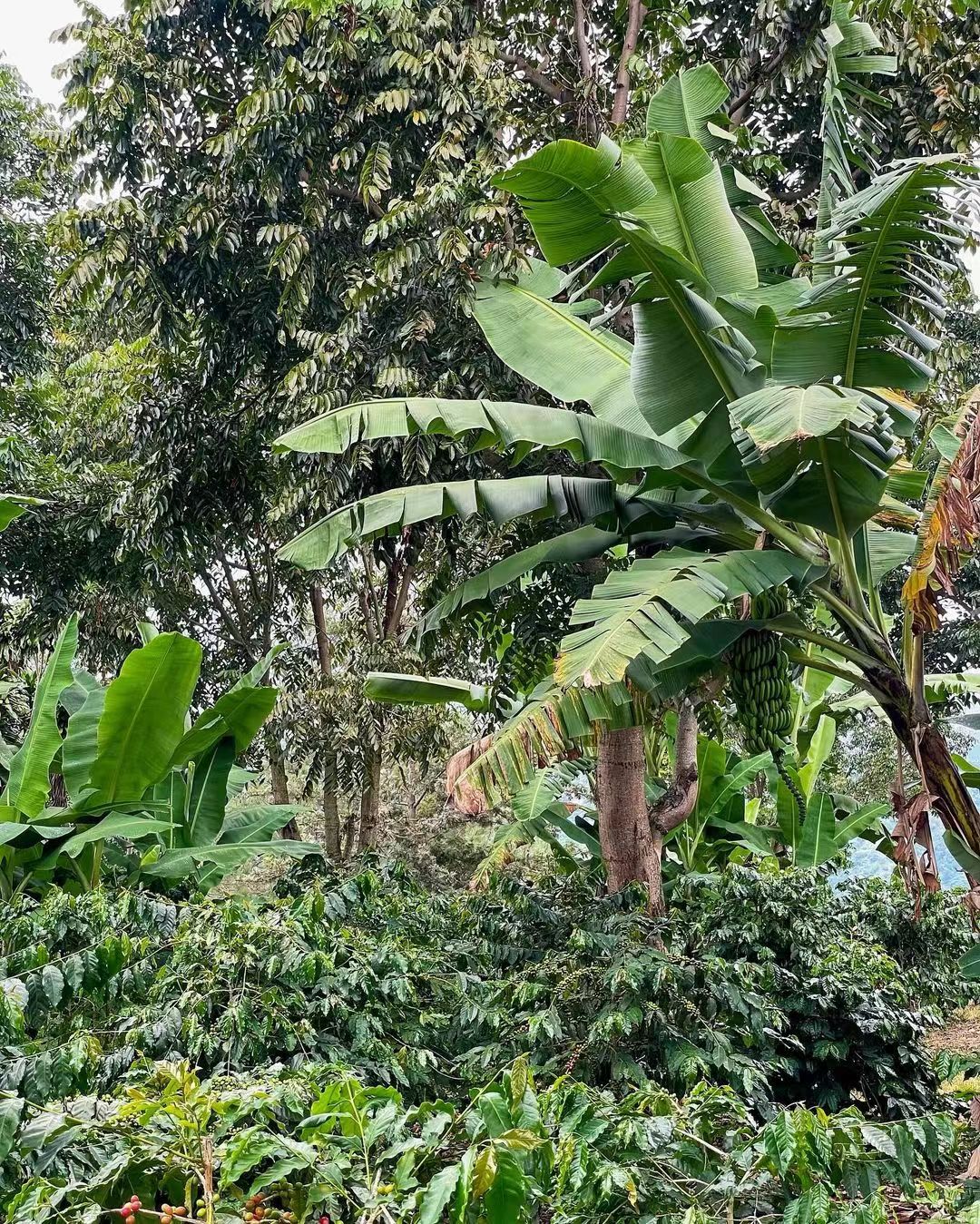
Jamaica is located in the northwest of the Caribbean Sea. Because it lies on the Pacific Ring of Fire volcanic and seismic belt, it has fertile volcanic soil, a fresh and humid climate, and is foggy and rainy all year round. Coffee is mainly grown in the Blue Mountains in the east of the country. But not all coffee grown in the Blue Mountains can be called Blue Mountain coffee. According to the strict regulations of the Jamaica Agricultural Commodities Regulatory Authority (JACRA), only Typica coffee grown in the four districts of St. Andrew, St. Thomas, Portland and St. Mary in the Blue Mountains, and at an altitude of 915-1700 m, can be named Jamaica Blue Mountain coffee, while coffee produced in the remaining areas can only be exported as Jamaica High Mountain coffee and Jamaica Prime coffee. FrontStreet Blue Mountain coffee comes exactly from this selected Blue Mountain producing area, an authentic Blue Mountain No. 1.
Papua, on the other hand, is an island country located in the South Pacific, consisting of the eastern part of the island of New Guinea in Indonesia and more than 600 surrounding small islands. Like Jamaica, it lies on the Pacific Ring of Fire volcanic and seismic belt and has many tropical rainforests and volcanoes. Coffee is mainly grown in the central part of the country at 1200-2500 m. Like Jamaica, it has a standard island-type climate, mainly a tropical rainforest climate, but Papua is closer to the equator, so temperatures are higher.
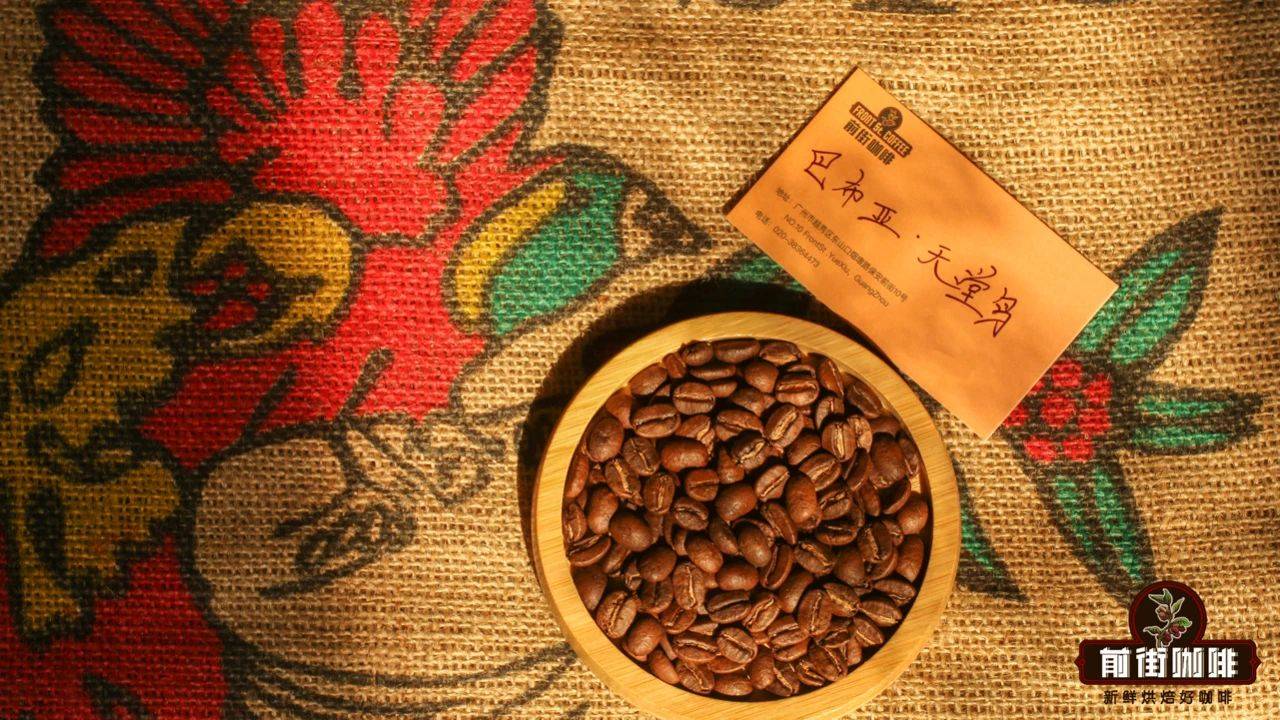
Therefore, the growing environments of these two countries are very similar, though there are also differences when broken down. In addition, Papua's coffee grading is not as detailed as Jamaica's. Papua mainly grades coffee by calculating the score based on the defect rate per kilogram of green beans, and some large estates also add standards such as screen size, appearance and cup flavor. At present, FrontStreet's Papua coffee beans are Sigri Estate AA grade, washed, with caramel, cocoa and almond flavors after brewing, a slight acidity at low temperature, a full body and overall balance.
Jamaica has relatively rigorous standards for exported Blue Mountain coffee. All exported coffee must pass JACRA's quality inspection and be graded according to items such as green bean specifications, defect rate and cup flavor. Blue Mountain coffee is divided into four grades in total: No. 1, No. 2, No. 3, and the hand-selected PB. Only those that meet the standards can become top-grade Jamaica Blue Mountain No. 1 coffee. Such high quality standards, together with historical reasons and the geographical environment, have created such high-quality Blue Mountain coffee.
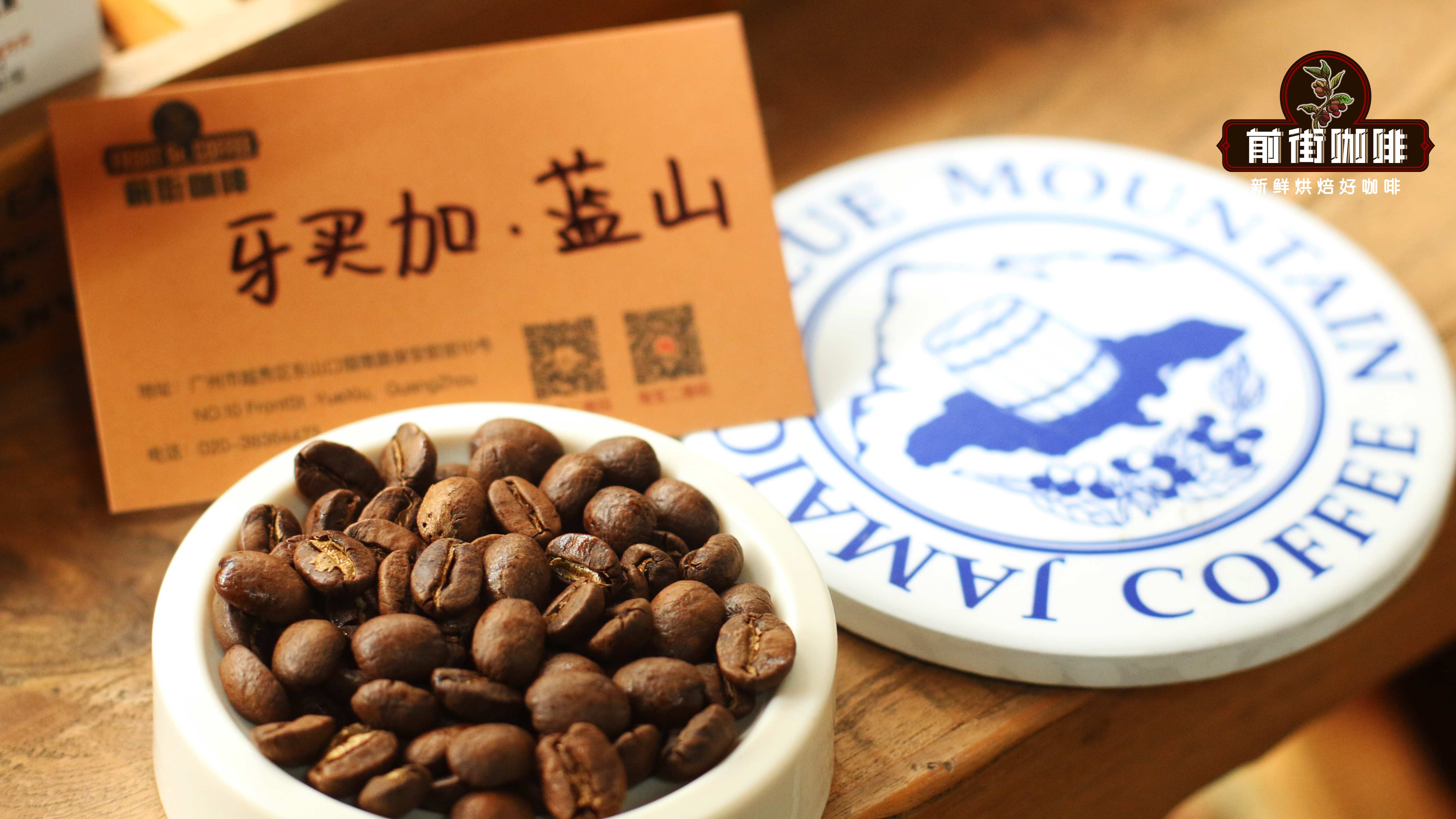
FrontStreet Blue Mountain coffee comes from Clifton Estate in the St. Andrew producing area, traditionally washed, with black chocolate, nut and caramel flavors after brewing, a creamy silky mouthfeel, a moderate body, a clean sweet finish, and overall uniformity and balance. In fact, the two coffee beans are very similar in flavor performance, but when broken down in detail there is still a certain difference: the Papua one has a slight acidity, while Blue Mountain coffee is fuller, with a softer mouthfeel and more balance overall.
Related Reading



Comments (0)
Loading comments...
You May Be Interested


Trending Reviews
Popular Videos

With you, wherever you are! We provide useful features to help you find new things you'll love






