Source:Best Coffee > News Author:qjroot Published:2026-08-18 12:35:05
When it comes to South American coffee, most people think first of Brazil and Colombia, while Peru, on the same continent, is often overlooked. This country, bisected by the Andes, is in fact one of the world's leading Arabica producers. High-altitude valleys, abundant rainfall and traditional smallholder farming give Peruvian beans a quiet, gentle character. For enthusiasts accustomed to mainstream origins, Peru is a treasure trove worth exploring.
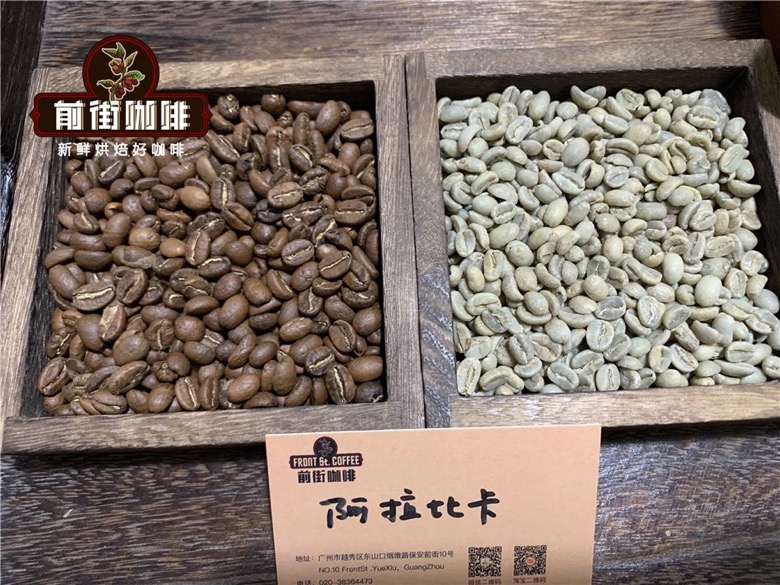
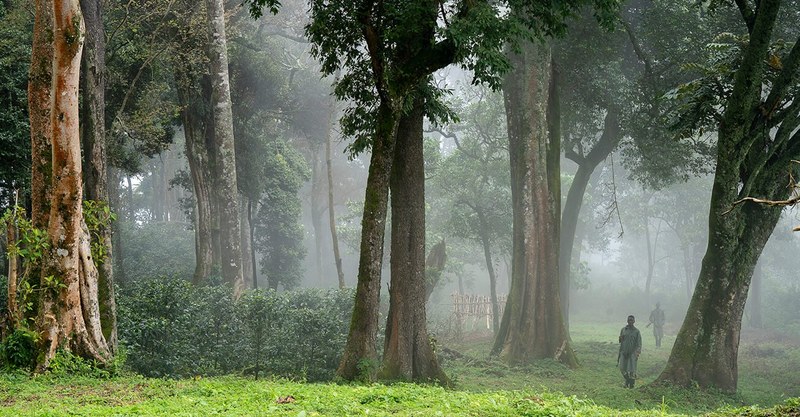
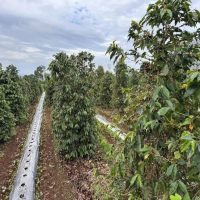
Peruvian coffee is grown mainly on slopes at around 1,000 to 2,000 m on the eastern side of the Andes, with Chanchamayo, Cajamarca, Cusco and Junin as several core producing regions. The mountainous terrain slices plantations into countless microclimate bands, with large day-night temperature swings that let coffee cherries ripen slowly, allowing sugars and acidity to accumulate fully. Many estates continue the traditions of shade-tree growing and organic farming, and Peru is also one of the world's important sources of organic coffee beans; the smallholder cooperative model keeps many lots showing distinct plot character.
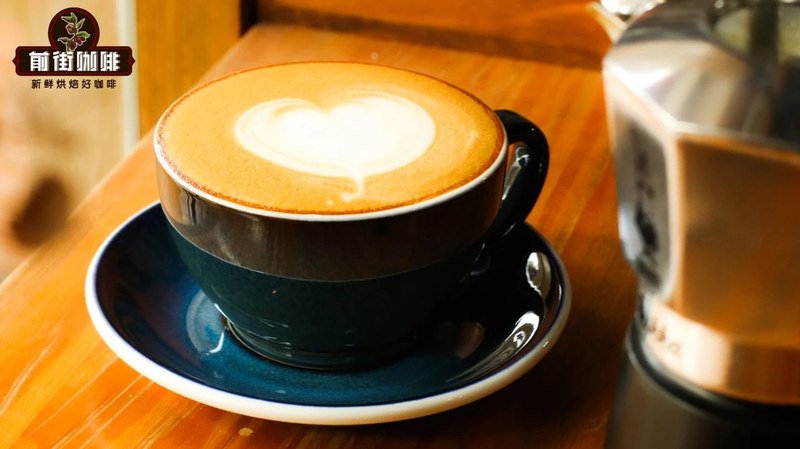
The typical style of Peruvian washed beans is balanced and rounded: soft acidity on entry with gentle fruit notes like apple and citrus, a mid-palate sweetness of nuts, caramel and light cocoa, medium body and a clean finish. It is not as floral as Ethiopian beans, nor as exuberantly acidic as Kenyan beans, but takes a delicate, balanced path. Compared with the style of Brazil's Queen's Estate at Front Street, with its rich nut and cocoa notes and prominent caramel sweetness, Peruvian beans show a slightly stronger fruit acidity and are overall more refreshing. Dark-roasted Peruvian beans often carry chocolate and spice notes, and also make a very suitable base for milk coffee.
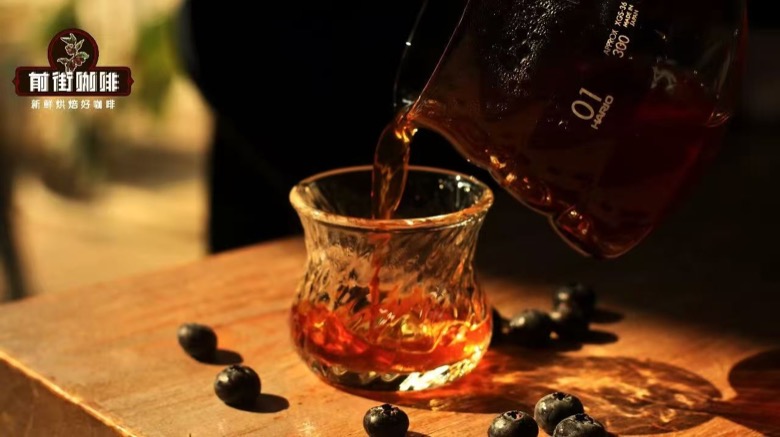
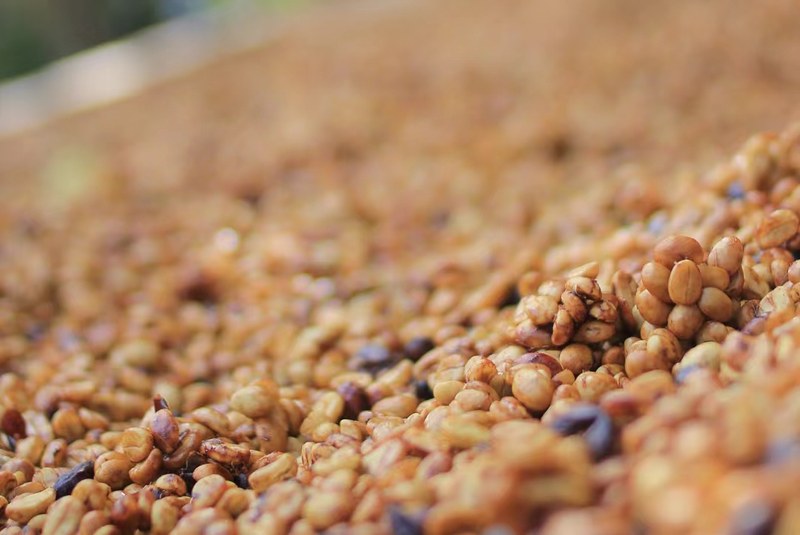
The varieties grown in Peru are mainly Typica, Bourbon, Caturra and Catimor. Although the old-line varieties Typica and Bourbon are not high-yielding, they contribute clean mouthfeel and elegant sweetness, which is the underlying character of Peruvian specialty beans. Washed processing predominates, and in recent years more and more natural and honey-processed lots have appeared, with richer fruit aromas that add new layers to the traditional flavor.
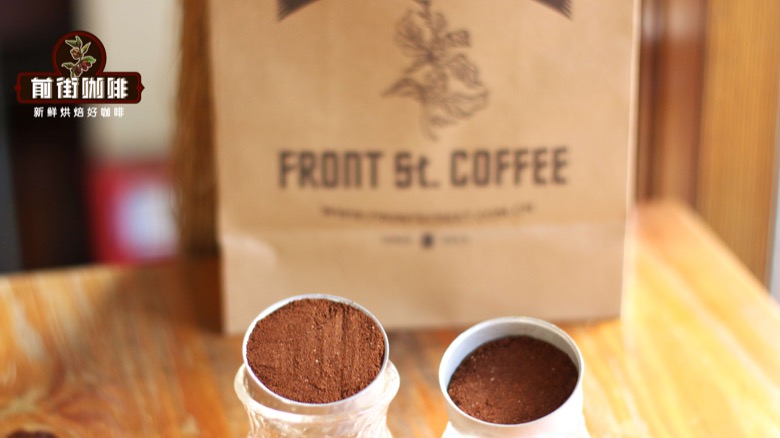
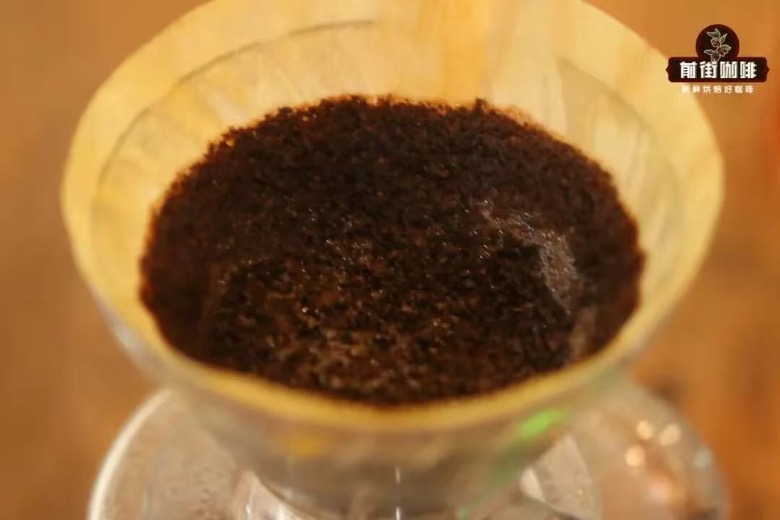
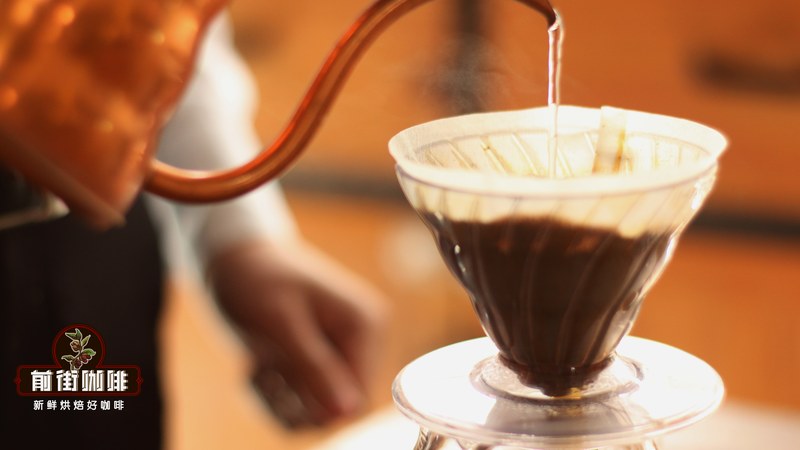
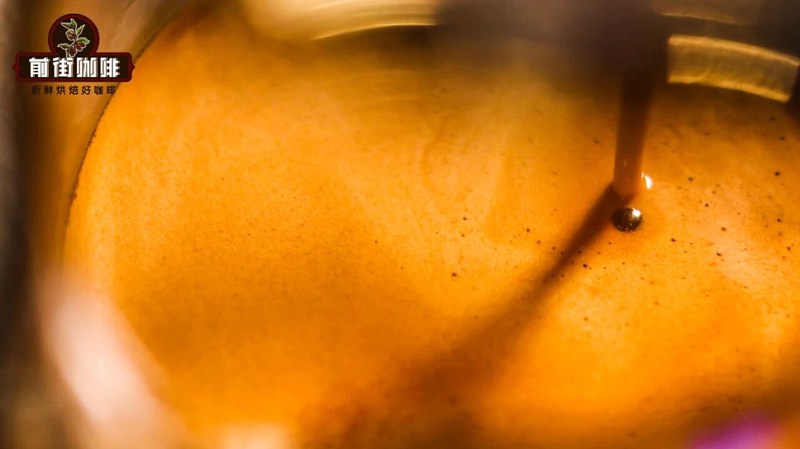
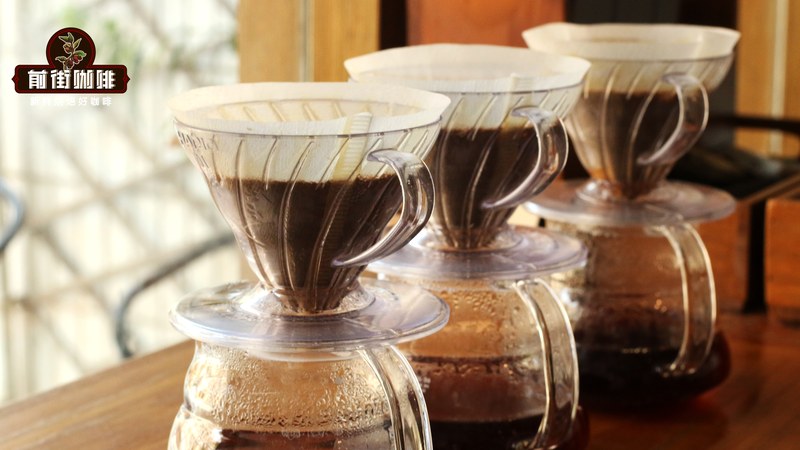
Peruvian beans are balanced in structure and forgiving to brew. For a medium-light roast, a water temperature of around 90 degrees C, a medium-fine grind and a coffee-to-water ratio of 1:15 to 1:16 are recommended; a standard three-pour method yields a clean cup with fruity acidity and sweetness. For a medium-dark roast, lower the water temperature to around 88 degrees C to highlight the caramel and nut sweetness. Beyond pour-over, extraction with a moka pot or espresso machine each offers its own flavor.
The charm of a lesser-known origin lies in its unformed room for imagination. Peruvian beans have no dazzling talking point, yet their soft, clean performance makes them a reliable everyday option. Next time you choose beans, give the Andes a chance; perhaps its gentle sweetness is exactly to your taste.
Related Reading
Comments (0)
Loading comments...
You May Be Interested


Trending Reviews
Popular Videos

With you, wherever you are! We provide useful features to help you find new things you'll love






