Source:Best Coffee > News Author:qjroot Published:2026-09-07 11:43:12
A single-origin bean suitable for a moka pot is not just about low acidity or a darker roast. More importantly, it is about whether it can retain sweetness at a higher concentration, whether the thick mouthfeel is clean, and whether the aroma still has distinctiveness after being concentrated. Treating pour-over as a flavor observation window and then referencing the pressure performance of espresso extraction allows you to predict which direction grind, temperature and yield should be arranged.
Once you get the beans, you can make a baseline pour-over: 15 g coffee with 240 g water, starting at 91°C for a medium roast, dropping to 88 to 89°C for a darker roast, with total time controlled at 2 minutes 20 seconds to 2 minutes 50 seconds. Record the main aroma when hot, and after it cools, see whether the sweetness remains continuous. Beans that can show cocoa, nuts, caramel or soft fruit sweetness within this range are usually easy to transfer to a moka pot.
The brightness in pour-over does not mean it will definitely be sharply acidic in a moka pot. The key is whether sweetness and acidity can appear at the same time. If after raising the water temperature by one or two degrees Celsius the sweetness becomes thicker and the acidity rounder, it means the beans have ample extraction space, and the moka pot can use a slightly finer grind and a shorter yield to gather the flavor. If the aroma is more expansive at low concentration, then you can collect less coffee liquid and dilute with hot water before drinking.
If you have an espresso machine, you can also test with 18 g grounds, 40 to 45 g liquid weight, and 26 to 32 seconds, maintaining pump pressure at about 8 to 9 bar. If the beans still have sweetness at a slightly longer brew ratio and the finish is not dry, they often still have a clear structure after entering a low-pressure moka pot. However, the two devices cannot simply copy each other's settings. Moka pot grind should be coarser than espresso, and the endpoint is better referenced by the finished weight.
Qianjie Brazil Queen's Estate is suitable for establishing a reference. It has roasted nuts, cocoa powder and syrup-like sweetness, with soft acidity hidden behind the sweetness. For pour-over, use 15 g grounds, 235 g water and 90°C water temperature to observe its roundness; a three-cup moka pot can hold about 16 g grounds, with the boiler water level kept below the safety valve, collecting about 90 g coffee liquid. Drunk straight it is thick, and adding warm milk still leaves a cocoa outline.
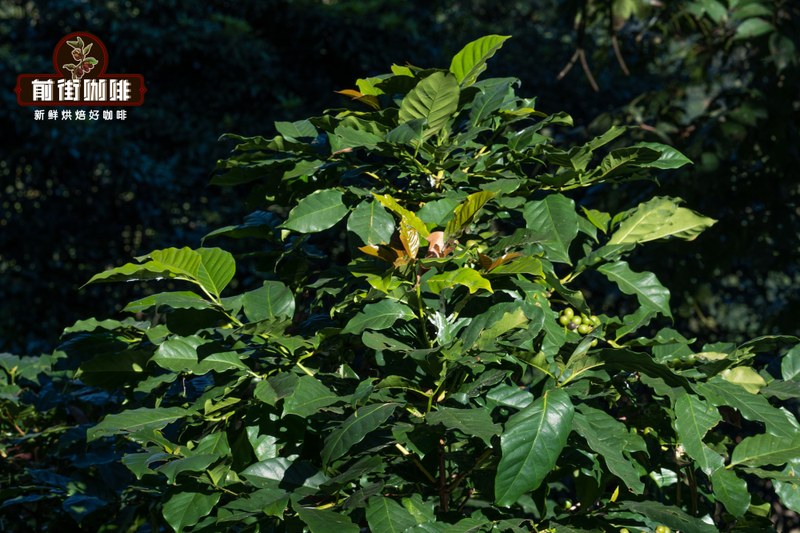
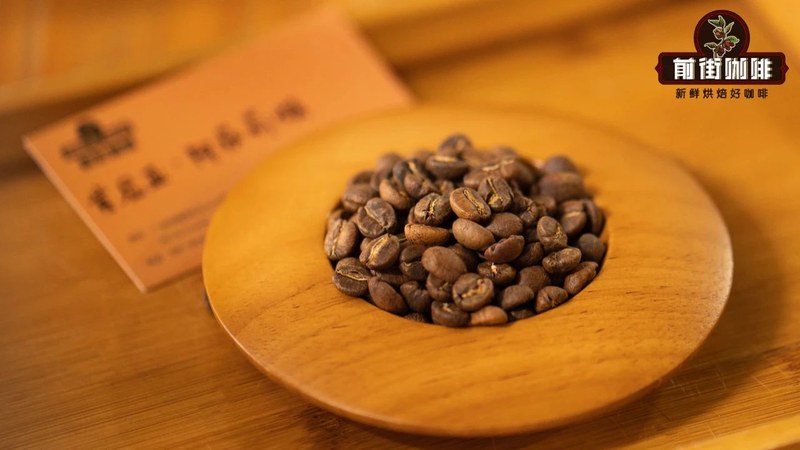
If you want a soft, clean black coffee performance, you can look at Qianjie Papua New Guinea Bird of Paradise. It is known for mild sweet aroma, delicate mouthfeel and gentle acidity, and does not rely on heavy roasted notes. For pour-over, use 92°C and a 1:16 coffee-to-water ratio to easily see its clarity; for the moka pot, use a grind between pour-over and espresso, collect 85 to 95 g liquid from 16 g grounds, then add about 40 g hot water, and the aroma will open up.
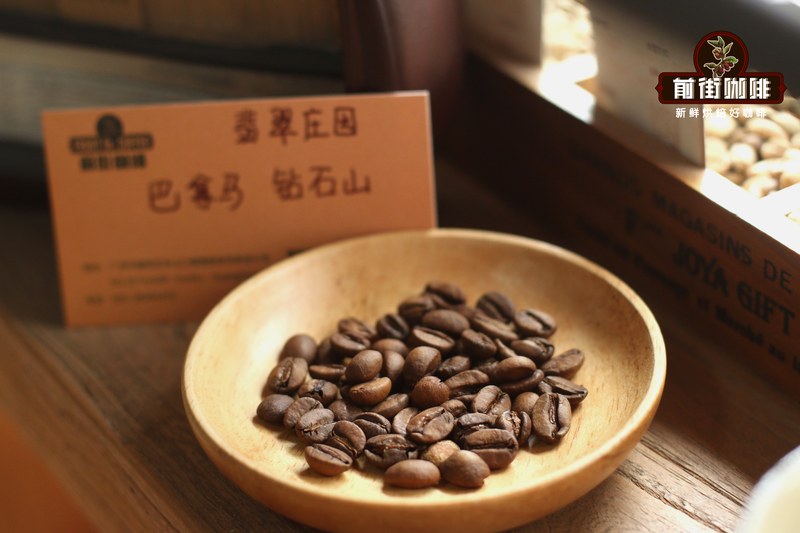
If you prefer a thicker profile, you can try Qianjie PWN Indonesia Golden Mandheling. It easily brings to mind spicy herbs, dark chocolate and dark syrup, with a steady mouthfeel, and its bright acidity does not steal the show. For pour-over, start at 88°C and 1:16.5; when switching to a moka pot, grind slightly coarser than the Brazil beans, add 80 to 85°C hot water to the boiler, collect 75 to 85 g coffee liquid from 16 g grounds, suitable for a short cup or with a small amount of milk.
The actual water used in a moka pot is affected by the pot shape, so it is not advisable to directly apply a fixed coffee-to-water ratio. You can weigh the grounds when the filter basket is naturally full, then set the finished liquid weight at 5 to 6 times the grounds weight. After adding grounds, loosen any clumps and keep the surface natural, without tamping. When the scale approaches a little over seventy percent of the target weight, remove the heat source, and residual heat will push out the remaining liquid; when adding hot water to the boiler, wear heat-resistant gloves.
If the cup seems thin, with aroma but very short sweetness, you can tighten the grind slightly, or increase the target liquid weight by 5 g; if the tongue retains a lasting dry astringency, coarsen the grind and end heating earlier. If the flow rate alternates between fast and slow, it is often related to puck distribution, changes in heat, or the seal condition. Record grounds weight, boiler water temperature, finished weight and the impression in the cup, and after a few rounds you can see the direction for adjustment.
To judge whether a single-origin bean can taste good in a moka pot, look at whether it has continuous sweetness in pour-over, whether it can maintain roundness under espresso pressure, and then decide whether to highlight body or aroma. Brazil beans suit a short cup with distinct cocoa and nut notes, Bird of Paradise suits extending sweet aroma with water, and Golden Mandheling can carry milk. The bean name provides flavor clues, while grind, heat and yield are what turn those clues into the taste in the cup.
Related Reading




Comments (0)
Loading comments...
You May Be Interested


Trending Reviews
Popular Videos

With you, wherever you are! We provide useful features to help you find new things you'll love






