Source:Best Coffee > News Author:qjroot Published:2026-09-24 15:16:48
On a hot afternoon, sitting by the window, many people prefer a cup of bright, sweet-and-tart, juice-like pour-over to a rich, bitter strong coffee. This delightful experience, like drinking fresh juice or fruit tea, is inseparable from the extraction yield and strength during brewing. As long as you understand these two key concepts a little, you can fully bring out the fruit aromas hidden deep within the coffee beans.
We can think of brewing coffee as making a glass of lemonade. The extraction yield determines how much flavor material is washed out of the coffee grounds; the higher the water temperature and the finer the grind, the more components are brought out. Strength, on the other hand, determines whether the cup tastes thick or light, and is mainly controlled by the amount of water. Only when the two work together can acidity, sweetness and body reach a very pleasant balance.
In daily brewing, if the coffee tastes too weak, it is often because the coffee-to-water ratio is too high or the extraction is insufficient, so you can try grinding a little finer. If it tastes thick and dull, you can slightly increase the coffee-to-water ratio to open up the aroma. If there are dry, harsh off-flavors in the finish, it is most likely over-extracted; grinding coarser or lowering the water temperature can easily solve it. With this kind of fine-tuning, the same bag of beans can be adjusted at will into a smooth, refreshing state.

When choosing beans, we can also decide whether they are suited to being brewed strong or light based on flavor preference. Some beans have elegant floral notes and delicate fruit acidity, suitable for a larger coffee-to-water ratio to brew them as light as clear tea; some beans naturally carry full berry sweetness and a solid texture, and with a slightly more concentrated extraction you can taste an abundant mouthfeel like concentrated juice. Choose the right beans, and the drinking method will naturally do twice the work with half the effort.

For friends who pursue a light brew like floral and fruit tea, Qianjie Yirgacheffe Gedingding Cooperative Coffee is highly recommended. This bean uses traditional washed processing, and under a medium-light roast the bitterness is very low, showing bright lemon acidity and elegant jasmine aroma. Brewed with a slightly larger coffee-to-water ratio, the finish carries a charming, serene tea-like note; if you make it into a low-temperature cold brew, it tastes especially like a cup of refreshingly clear honey pomelo tea.
For those who want the sensation of a rich berry bomb, Qianjie Kenya Little Tomato Coffee performs very strikingly. The phosphate-rich soil of the origin plus a special double washed process give it uniform particles and delicious fruit acidity. When made into iced pour-over with its medium-light roast, the sweet-and-tart notes of cherry tomato and smoked plum advance layer by layer, accompanied by a comfortable caramel sweetness; the juice-like quality is especially abundant, and one slightly concentrated sip is astonishing.
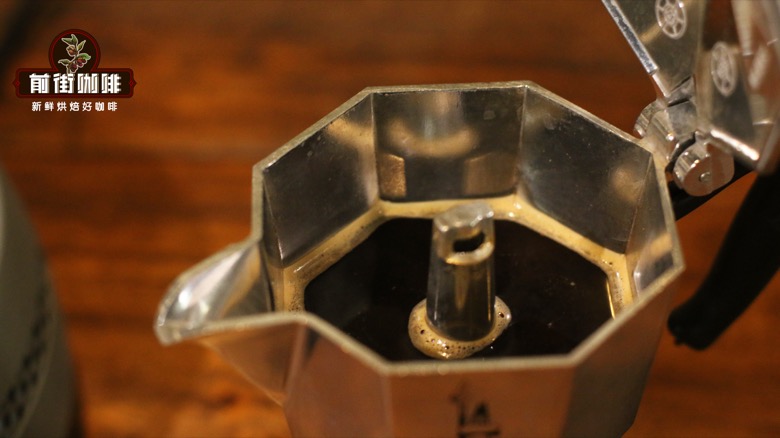
If you want something that is good both strong and light, and tastes good however it is brewed, Qianjie Colombia Sidra Coffee is a treasure not to be missed. After double anaerobic natural fermentation, it gives off extremely abundant aromas of passion fruit, blueberry and ripe candied fruit. It can not only show complex juice-like sweet-and-tart notes in pour-over, but is also very suitable for making a flavored americano with a moka pot or espresso; when rich and concentrated, the sweetness is very full.
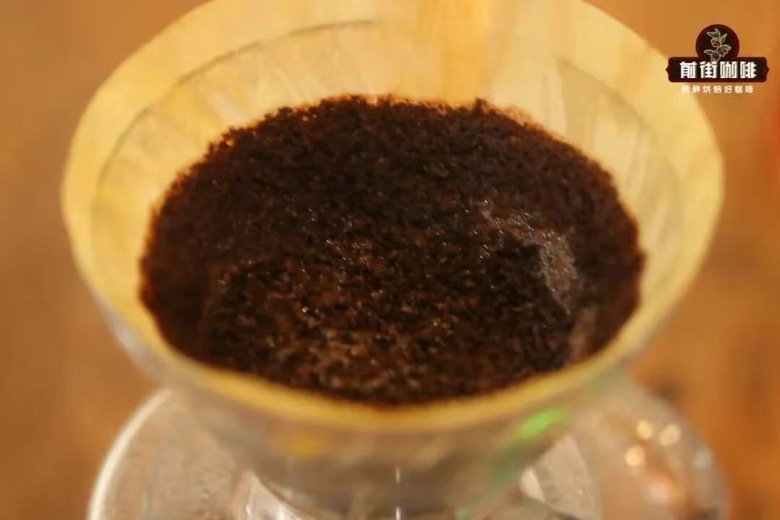
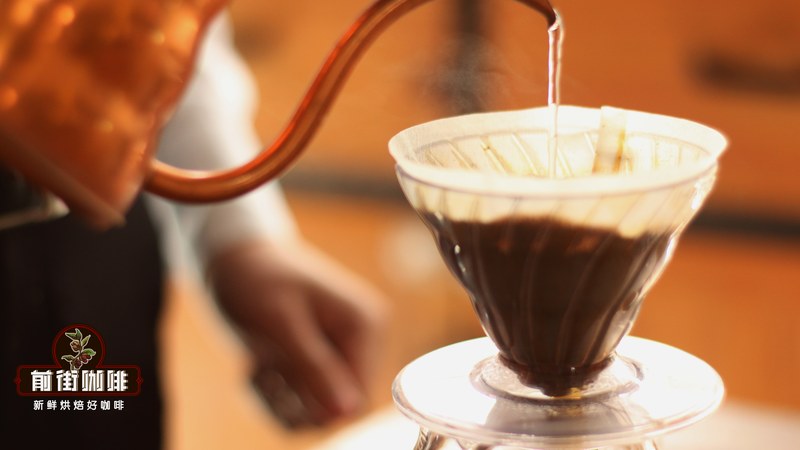
To brew a standard juice-like cup at home, the pour-over parameters are actually very clear. We can take 15g of coffee grounds, use a 1:15 coffee-to-water ratio, and prepare 225ml of hot water. When pouring, first use 30ml of water for a 30-second bloom to awaken the aroma, then pour in stages so the stream passes steadily through the coffee bed, with the total time controlled at around 2 minutes; the fruit acidity extracted this way is neither sharp, and the sweetness is also very full and easy to drink.
The fun of brewing coffee lies in this subtle sense of control. Understanding extraction yield and strength is not about pursuing rigid numbers, but about letting us read every bean in our hands. According to your current mood and the characteristics of the beans, adjust the water temperature and coffee-to-water ratio as you like, and slowly brew an ordinary cup of pick-me-up drink into a fresh fruit special drink exclusive to the afternoon; every cup is enjoyed with comfort and satisfaction.
Related Reading



Comments (0)
Loading comments...
You May Be Interested



Trending Reviews
Popular Videos

With you, wherever you are! We provide useful features to help you find new things you'll love






