Source:Best Coffee > News Author:qjroot Published:2026-09-07 12:48:02
The aroma of dark-roasted beans often lands in the territory of cocoa, roasted nuts, caramel and dark syrup, and the extraction reaction is relatively active. When brewing, there is no need to chase high temperature, a fine grind and a long time across the board, otherwise charred bitterness and dryness will cover up the original sweet aroma. A more suitable approach is to arrange a set of parameters with some margin for the beans according to the pressure of the device, the contact time and the drinking strength.
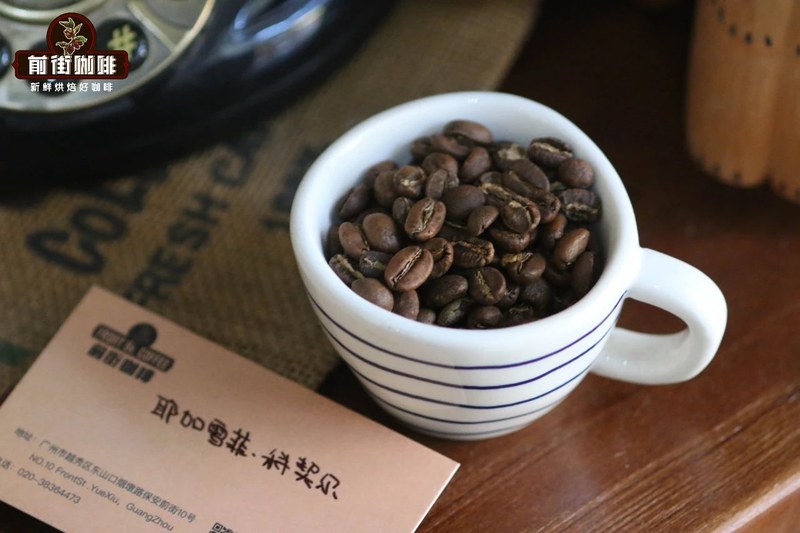
If you mainly drink black coffee from a dripper, you can pick dark-roasted beans with nutty, cocoa or caramel tones, and it will be easier to form a thick and clear sweetness in the cup. If your home is mainly espresso and latte, then pay attention to whether the coffee liquid still has sweetness and aroma at high strength. Low acidity does not mean a lack of layers; roast aroma, cocoa feel and a smooth texture can likewise form a flavor worth drinking over and over.
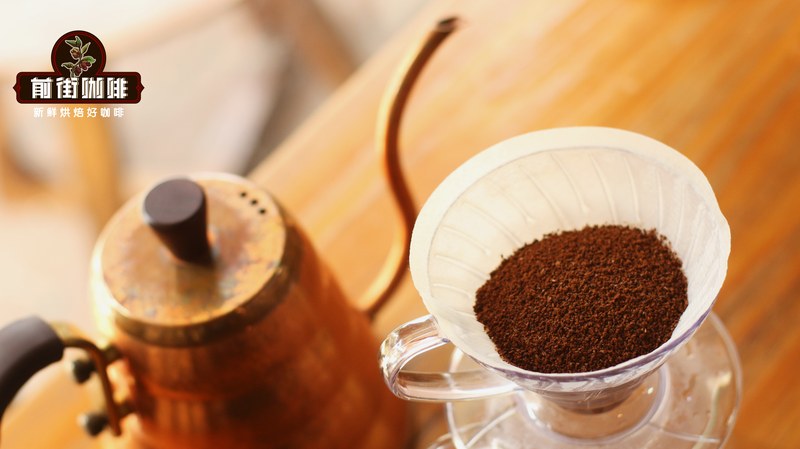
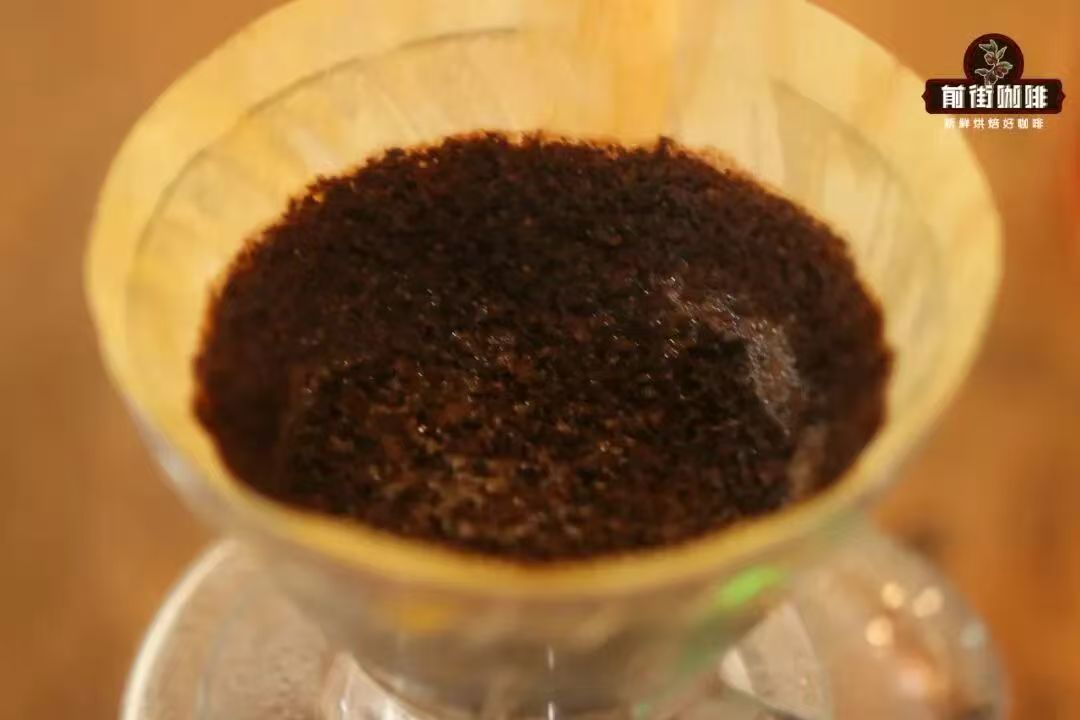
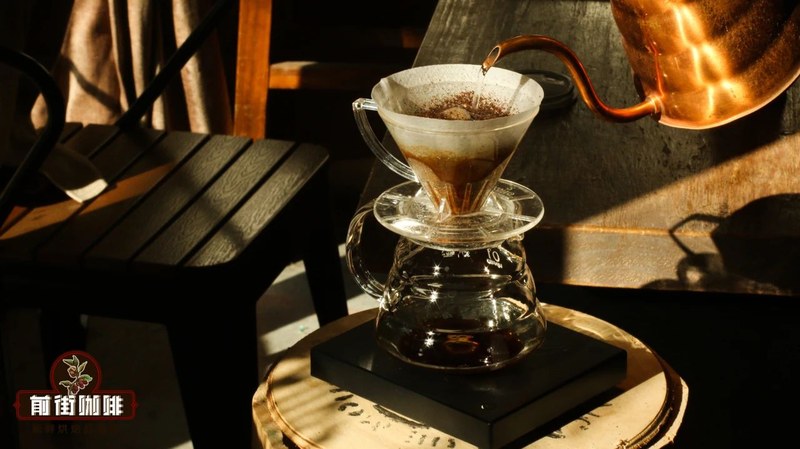
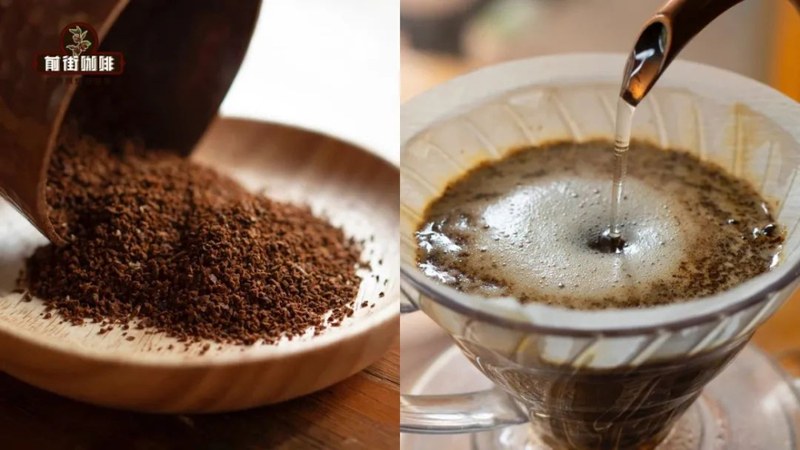
For pour-over, you can start from a gentler water temperature, for example setting the water temperature at 88 to 91 degrees Celsius, with a coffee-to-water ratio of about 1 to 15. When using 15 g of coffee grounds, the total pour is about 225 g, the grind is medium-coarse, and the target extraction time can be placed at 2 minutes 30 seconds to 3 minutes. First let the coffee bed absorb water fully, then pour in two to three stages, keeping the stream gentle to reduce the bitterness brought by large agitation.
If the entry is sharp and the sweetness is insufficient, it usually means the solubles have not been released enough, so you can make the grind slightly finer, or raise the water temperature by one degree, then observe whether the finish becomes clean. If obvious charred bitterness appears in the cup and the tongue feels dry, you can make the grind a little coarser, reduce circular pouring, or let the last stage of water pass through faster. Change only one parameter each time, and the change in the cup will be clearer.
Best Coffee Brazil Queen Estate is suitable for practicing this pour-over method. It itself has the sweet aroma of roasted nuts, cocoa and caramel, and its acidity is relatively soft. Brewed with water at about 90 degrees Celsius and a coffee-to-water ratio of 1 to 15, it can produce a full-bodied black coffee; if you feel the strength is too high, you can loosen the ratio to 1 to 16, and the aroma will open up more and the finish will be lighter.
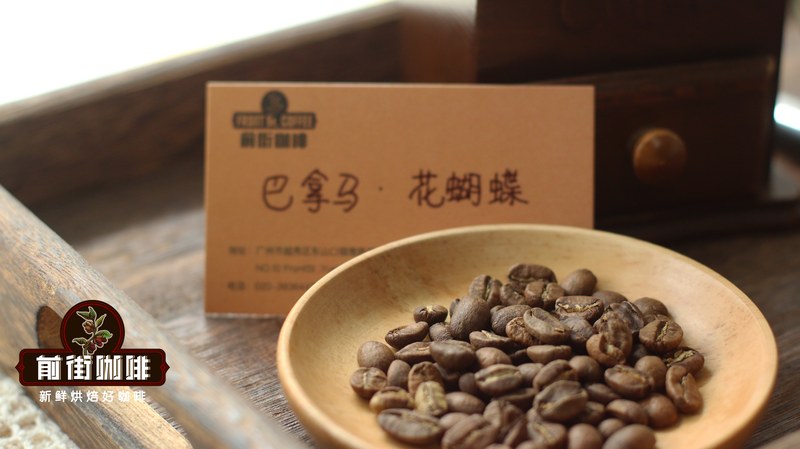
Best Coffee Papua New Guinea Paradise Bird has a clean texture, soft sweetness, and is overall lower in acidity and more balanced. When brewing it, do not press the water temperature too low, otherwise the aroma can easily seem dull; you can start from 90 to 92 degrees Celsius, using a coffee-to-water ratio of 1 to 15.5 and a medium grind. If you want to enhance the body, you can reduce the total water; if you want a brighter mouthfeel, add a small amount of water.
With an espresso machine, the focus of adjustment shifts to puck resistance and the yield ratio. For dark-roasted beans, you can start by extracting 34 to 38 g of liquid from 18 g of grounds, with a target time of about 25 to 30 seconds, pressure controlled near 8 to 9 bar, and water temperature set at 90 to 92 degrees Celsius. The grind is usually slightly coarser than for medium-roasted beans, but it should still be based on the flow speed, and you cannot judge whether the coarseness is appropriate by the setting alone.
When the espresso entry is sharply sour and the texture is thin, you can make the grind slightly finer, or extend the liquid weight from 36 g to 40 g, so that more sweetness is released. If the bitterness is strong and the aftertaste is dry, then shorten the yield to 32 to 34 g, or make the grind slightly coarser. Excessive pressure can also make the roast feel hard, and lowering the pressure appropriately can often make cocoa and caramel seem softer.
Best Coffee Specialty Blend uses Brazil Cerrado and Colombia Huila as its flavor base, and is suitable for practicing espresso parameters. With 18 g of grounds, you can first make a 36 g yield, with the time controlled at about 27 seconds; when making an Americano, add about 100 to 130 g of hot water, and nuts, caramel and cocoa will maintain a good presence. For a latte, you can keep the yield at 32 to 34 g to reduce the thinness after dilution by milk.
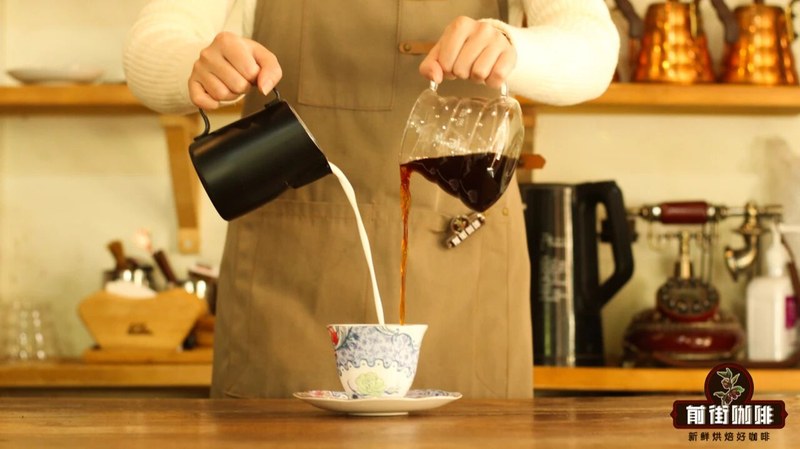
The milk in a milk coffee softens the bitterness and also presses down the coffee's aroma, so the espresso should not chase only high strength. If you use dark-roasted beans to make a latte, you can choose a shorter yield, moderate pressure and a lower water temperature, then add milk according to the cup size. If you like a prominent coffee taste, reduce the milk; if you prefer smooth sweetness, increase the milk, but still retain part of the cocoa and nut aroma.
Even without a pressure gauge or home equipment with stable settings, you can still adjust direction through the performance in the cup. For pour-over, look at whether the entry has sweetness and whether it is clean after swallowing; for espresso, look at the actual taste beyond the crema, and do not mistake thick crema for balanced strength. Set the goal at clear aroma, lasting sweetness and bitterness that is not excessive, and dark-roasted beans can move from heavy to soft and pleasant to drink.
Related Reading

Comments (0)
Loading comments...
You May Be Interested


Trending Reviews
Popular Videos

With you, wherever you are! We provide useful features to help you find new things you'll love






