Source:Best Coffee > News Author:qjroot Published:2026-10-03 16:24:32
Sweat slides down the back of your neck into your collar. The fingerprint lock has just beeped, and you're already drifting toward the kitchen. After a five-kilometer run, your body feels like a wrung-out sponge. What you crave most right now isn't ice water, but a cup of coffee that can catch your exhaustion and do justice to good beans. Panama Geisha is famous far and wide, but it happens to be delicate: a three-degree difference in water temperature can turn its flavor from jasmine and honeydew into astringent green grass. Today we'll talk water temperature through and through, so that ten minutes after you get home you can drink the right cup.
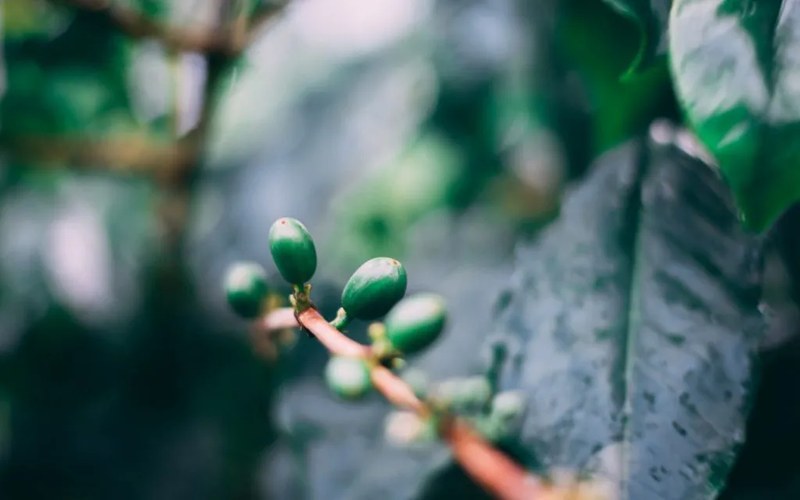
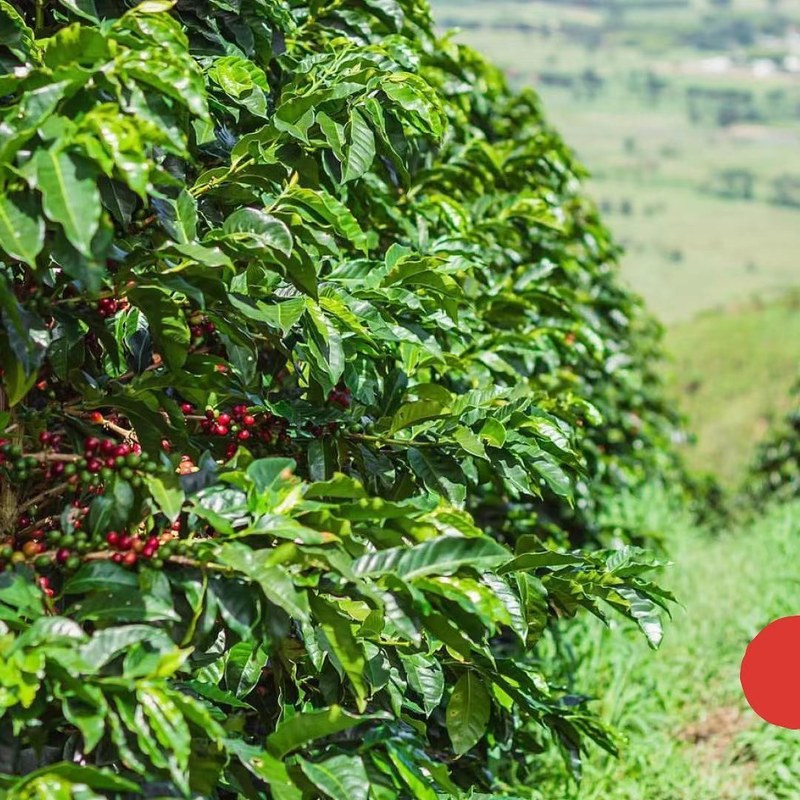
Panama's good beans grow in the western volcanic belt. Boquete and Volcan sit at high altitudes with large day-night temperature swings, so the coffee cherries accumulate plenty of sugar and aromatics. In the early years, coffee here was unknown, until the light-roast wave brought out Geisha's orange-blossom and honeyed charm, and only then did the whole region truly break out. These days many places grow Geisha, but Panama's quiet floral-fruity elegance can't be learned elsewhere, like a wild orchid growing naturally in a mountain stream that changes flavor once transplanted.
Water temperature is the key that opens this door. Light-roasted beans have a tight structure, with floral and fruity acidity locked inside, so you need a higher water temperature to coax them out; medium-dark roasted beans have loose fibers, and too high a temperature easily forces out burnt, bitter, woody notes, so they actually need gentler treatment. For pour-over, light roast can go to 92 to 94°C, while medium-dark roast is safer backed off to 88 to 90°C. Espresso extraction has an even narrower temperature range: set the boiler to 91 to 93°C, let the high-pressure water flow through the puck in 25 to 28 seconds, and extract 36 to 38 g of espresso from 18 to 19 g of grounds, so the sweetness can hold its ground.
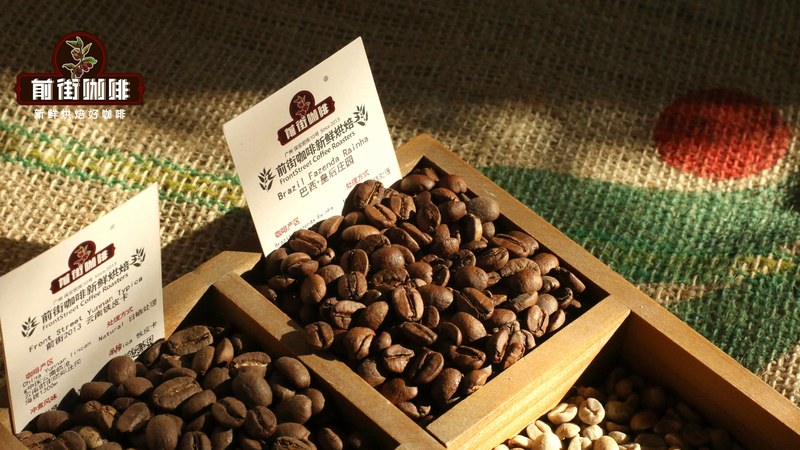
Take Qianjie Boquete Geisha, for example. This bean is especially forgiving with water temperature, and even beginners can brew it beautifully. 15 g of grounds, 225 ml of water, a 1:15 coffee-to-water ratio. First pour 30 ml of water in a circular motion and bloom for 30 seconds, watching the coffee bed expand slowly like a sponge soaking up water, then pour in two stages, about 100 ml each, with a thin steady stream in circles, keeping the total time around 2 minutes. At 93°C, it draws out all its fruity aroma and honeyed sweetness, with a finish like holding a piece of citrus oolong in your mouth, completely unlike the heaviness of ordinary coffee.
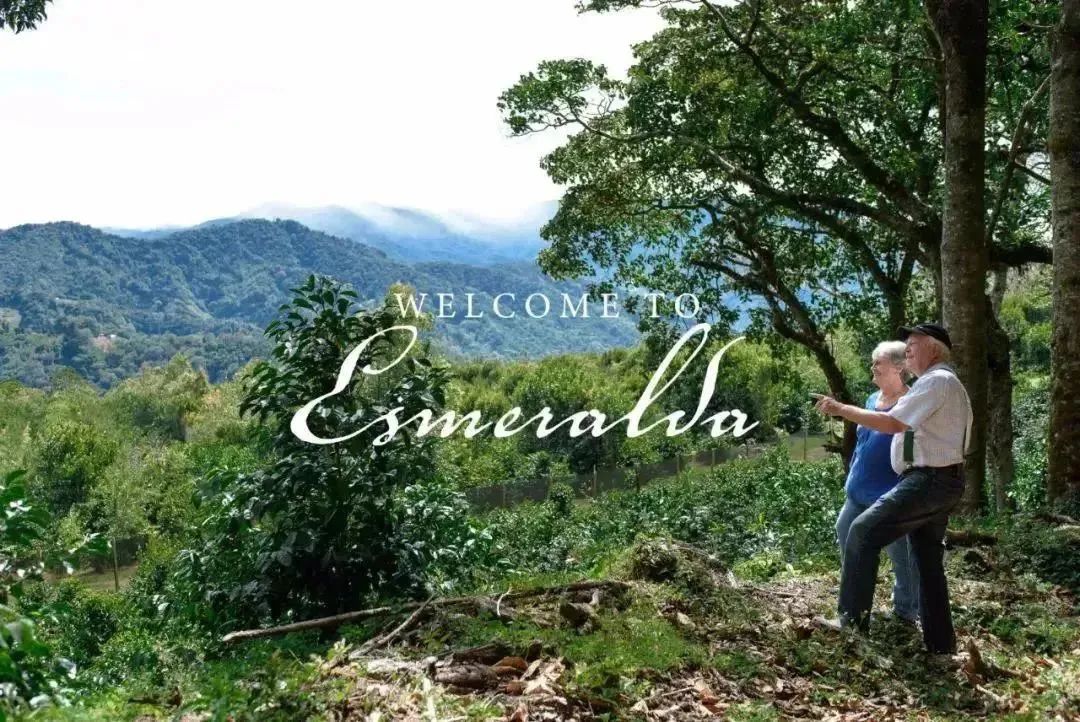
If you want to push further, Qianjie Emerald Green Label Geisha is a benchmark you can't avoid. Hacienda La Esmeralda breaks down plot, altitude, and flavor with precision. Green Label is positioned as the classic Geisha profile: honeydew, citrus, jasmine, oolong tea, spreading out layer by layer. For this bean, a pour-over water temperature of 92°C is recommended, also 15 g of grounds and 225 ml of water, with three pours after blooming, about 75 ml each, stretched to 2 minutes 10 seconds, giving the flavors enough time to unfurl. You might even fool yourself into thinking you're drinking an extremely light, transparent floral-fruit tea, and the restless heat after your run is gently pressed down.
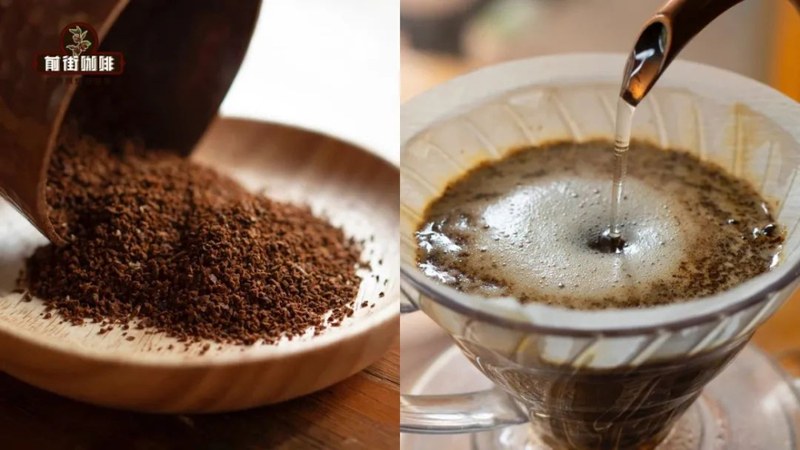
For a gift, or if you want to treat a seasoned coffee lover to something truly satisfying, Qianjie Emerald Red Label Geisha is even more presentable. Red Label is Hacienda La Esmeralda's upper tier, taking complexity and layering one step further. This bean also has a distinctive flavor when brewed in a moka pot: add 120 ml of water to the lower chamber, level and lightly press the grounds in the basket, heat over medium-low, and when the coffee starts to emerge, open the lid and watch the golden liquid slowly climb. Remove from heat at about 1 minute 45 seconds, add 60 ml of hot water to make an americano. Honeyed charm and tea-like notes interweave, like sitting in the morning mist on a volcanic slope.
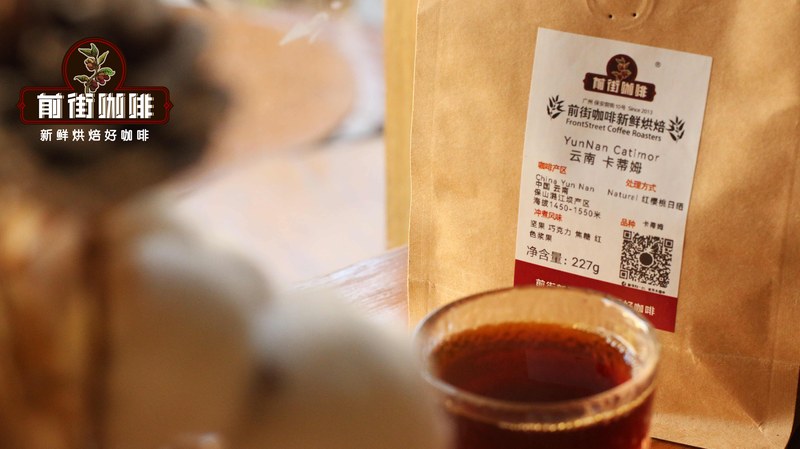
Water that is too cool is the culprit behind many people's failure to brew Panama beans well at home. When light-roasted beans meet water below 85°C, extraction is insufficient, and a harsh sourness jumps out abruptly while the floral and fruity aromas hide away; conversely, when medium-dark roasted beans are hit with water above 95°C, bitterness and woody notes cover up all the nuance, like biting into wet wood in a forest. So when choosing beans, also consider your own ability to control water temperature. Beans with high forgiveness are friendlier, and that's exactly the logic with Boquete Geisha.
If espresso enthusiasts use an espresso machine, Qianjie Panama beans also call for attention to temperature when made as an SOE. Keep the boiler steady at 92°C, use 18.5 g of grounds, extract 37 g of espresso in 25 seconds, then add 180 ml of hot water directly to make an americano; the mandarin-like sweetness will fill your mouth. If adding milk, use a 1:6 ratio of espresso to milk with milk at 55°C, and the jasmine aroma can pierce through the milk foam. A cup after your run is satisfying without feeling heavy.
In the end, water temperature isn't a dead number; it's the tone of voice that helps you converse with the beans. When you come home after a run, your body is open and your sense of taste is especially sharp. Brew a Panama bean at that moment, and if the temperature is right, it's like a mountain breeze happening to blow in through the window: everything is just right. Among these Qianjie beans, from the gentle entry-level Boquete to the classic framework of Emerald Green Label Geisha, and on to the intricate depth of Red Label, choose one according to your own water-temperature control, and tonight's recovery ritual can begin.
Related Reading
Comments (0)
Loading comments...
You May Be Interested

Trending Reviews
Popular Videos

With you, wherever you are! We provide useful features to help you find new things you'll love






