Source:Best Coffee > News Author:qjroot Published:2026-09-18 16:54:52
The rich, full floral and fruity aromas and deep sweetness in roasted coffee beans are, when actually extracted and drunk, for the most part carried by water. If the beans in your hands are themselves full of aroma, yet the brew comes out thin and insipid or muddy and hollow, it is often not the beans' fault, but rather that the mineral composition of the brewing water has not fully drawn out those dense flavors.
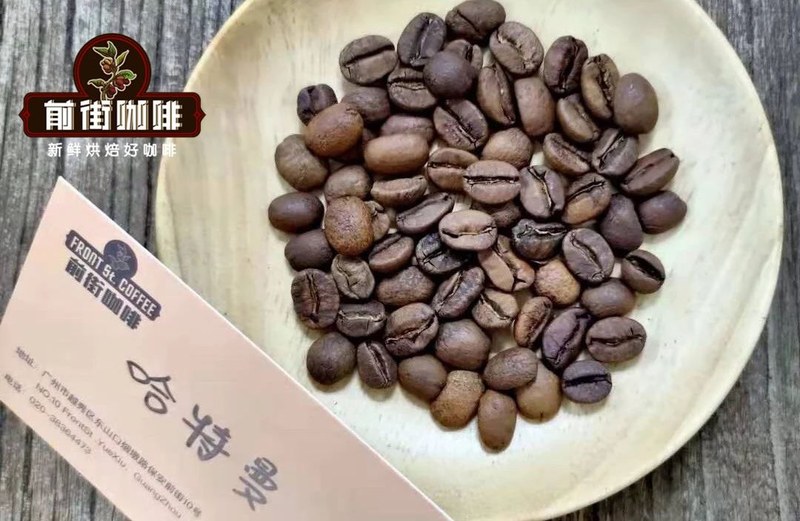
The total amount of dissolved minerals in water, commonly known as TDS, together with the calcium and magnesium ion content, directly determines the dissolution efficiency of aromatic compounds. Generally speaking, mineral water that is on the soft side, with a TDS of around 50 to 90 mg per liter, is better at bringing out bright, lively fruit acidity and lifted floral notes; while water with a slightly higher TDS and a touch of hardness more easily supports a thick caramel sweetness and cocoa body.
When brewing rich-flavored coffee at home, tap water easily suppresses delicate aromas. In daily brewing, choosing common natural soft water, or purified water mixed with a trace of mineral water, lets the aromatic oils in the coffee grounds release more smoothly, significantly enhancing the flavor layers and intensity in the cup, and the aroma will also open up more fully.
When selecting beans with high flavor intensity, you can first look at the individual character brought by the origin. For example, Qianjie Kenya Little Tomato is a bean known for its intense fruit acidity and solid sweetness, with a deep flavor interwoven with cherry tomato, ripe dark plum and brown sugar. This kind of juicy bean especially needs a clean water flow with moderate minerals to stimulate its lively, crisp acidity.
When brewing Qianjie Kenya Little Tomato with softer water, it is recommended to use a water temperature of 89°C, weigh out 15g of coffee grounds, use a 1:15 coffee-to-water ratio, with a total pouring volume of 225ml. First use 30ml of water for a 30-second bloom, then use a three-stage pour, pouring in the second stage up to 130ml, and after the water level drops, pour again up to 225ml, keeping the total time to 2 minutes 05 seconds, which brings out a juicy, full dark plum sweet acidity.
Besides bright fruit acidity, rich flavor can also present as a warm, sweet tea-like texture. Qianjie Kafa Forest gives off sweet orange, ripe apricot and high-mountain oolong tea-like sweetness, with aromas layering and progressing. To brew the tea notes and fruity sweetness in this bean more roundly, weakly mineral drinking water with an appropriate amount of magnesium ions will show more sweetness and smoothness than completely mineral-free water.
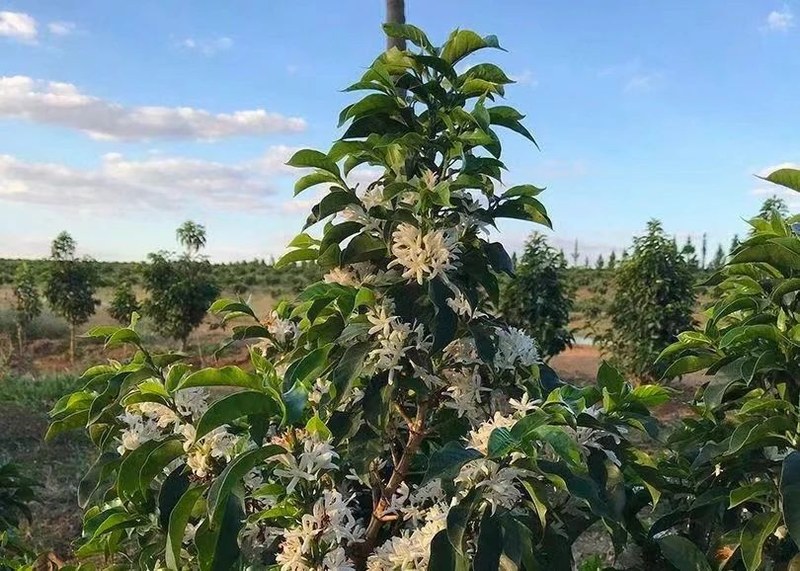
When brewing Qianjie Kafa Forest, you can choose weakly mineral water with a TDS of about 60, set the water temperature at 91°C, likewise take 15g of coffee grounds, and pour 225ml of hot water at a 1:15 coffee-to-water ratio. Use a two-stage pouring method; after completing a 30ml bloom in 30 seconds, steadily pour in circles up to 225ml and stop, keeping the total time at 1 minute 55 seconds, which allows the sweet smoothness of ripe fruit and the tea-like finish to blend very smoothly.
If you pursue a more striking tropical fruit aroma, high-altitude beans with a natural process often perform amazingly. Qianjie Grana Estate Geisha gives off the rich aromas of orange blossom, strawberry jam and ripe apricot, with complex and varied layers. With this kind of bean that is full of detail, hard water easily makes the floral notes dull, and only low-hardness purified water can unfold its jam-like dense sweetness.
When brewing Qianjie Grana Estate Geisha, it is recommended to choose natural spring water with extremely low hardness, control the water temperature at 90°C, weigh out 15g of grounds, and pour 225ml of water at a 1:15 coffee-to-water ratio. First use 35ml of water for a 30-second bloom, then gently pour in three stages, pouring to 120ml and 225ml respectively, keeping the total time at 2 minutes 10 seconds, which fully releases the delicate floral and fruity aromas and the strawberry jam flavor.
Selecting beans and adjusting water quality is essentially a process of mutual fulfillment. If you usually like light-roast single origins with a strong juicy feel and bold aroma, keeping soft water on hand makes the flavor profile clearer and crisper; if you prefer a thick sweetness and fullness, water that retains moderate minerals can support the entire flavor framework, allowing every high-quality bean to present its native intense aroma.
Related Reading

Comments (0)
Loading comments...
You May Be Interested


Trending Reviews
Popular Videos

With you, wherever you are! We provide useful features to help you find new things you'll love






